1 hour ago
Deadly floods in Nepal and nearby China have devastated Himalayan communities and hydropower sites. The disaster has sharpened fears that climate-linked risks may make rebuilding untenable in some mountain areas.

Kathmandu,UPDATED: Sep 2, 2026 09:16 IST
Communities in the Himalayas are facing repeated disasters as flash floods become more frequent in a region already vulnerable to earthquakes. In Nepal, last week's floods have renewed concerns about whether mountain settlements can keep rebuilding as glaciers melt, rivers shift course and climate risks grow.
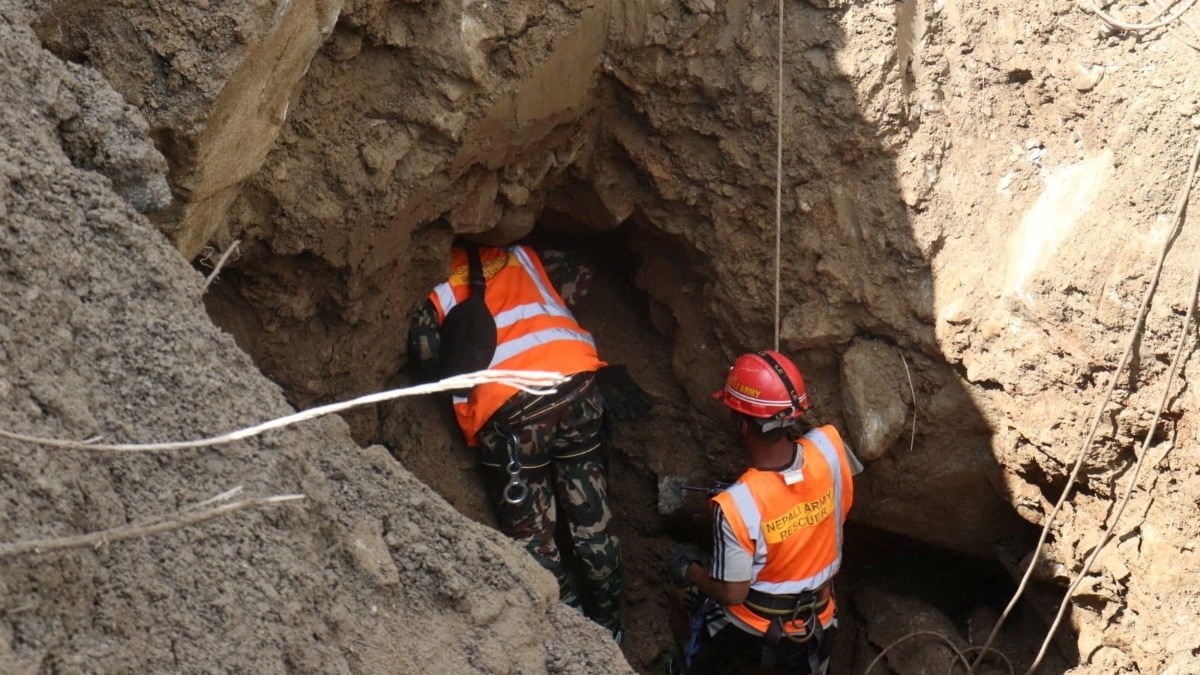
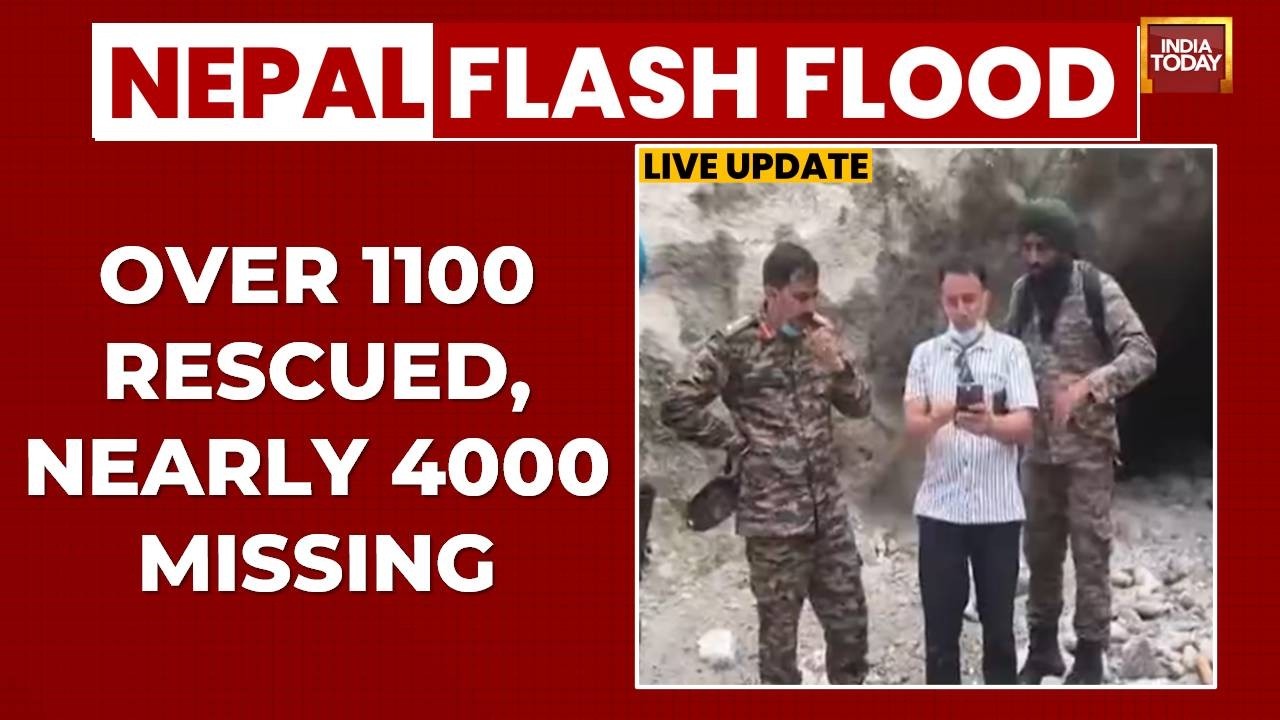
The Aug. 26 floods in Nepal and neighbouring China killed more than 1,000 people and left thousands missing, including hundreds feared trapped in tunnels at hydropower projects. The floods were triggered after a collapse of bedrock and glacier ice sent debris and water surging through multiple Himalayan rivers.
When water, rocks and mud tore through her remote village in Nepal, Pema Tamang and her neighbours ran uphill to a Buddhist shrine that had been rebuilt last year after the 2015 earthquake. "We were able to rebuild the stupa only last year after it was destroyed during the earthquake," Tamang told The Associated Press, referring to the shrine. "Sheltering in it was how we saved our lives from the floods," she said from a makeshift shelter at a monastery in Kathmandu.
Scientists said it is too early to directly link Wednesday's catastrophe to global warming. But they added that as the Earth's temperature rises faster because of the burning of oil, gas and coal, the chances of such disasters increase, especially in the Himalayan mountains, which are warming much faster than many other parts of the world.
"Climate change has been playing a large role in the Hindu Kush Himalayas, causing these kinds of complex disasters which have really impacted downstream communities and investments," said Saswata Sanyal, a disaster risk resilience expert at the Centre for Integrated Mountain Development in Kathmandu. He said the region is increasingly facing connected hazards, with warmer temperatures melting high mountain ice and leading to more frequent rockslides, avalanches and floods. An avalanche can block a river before unleashing a flash flood, while heavy rain after an initial disaster can make the damage worse.
Flash floods in the same region of Nepal last year killed nine people and caused millions of dollars in damage. Across the wider Himalayan region, the 2013 Kedarnath floods, the 2021 Chamoli disaster, the 2023 South Lhonak glacial lake outburst flood and other recent landslides and floods have killed thousands and caused hundreds of billions of dollars in damage. "People in Nepal were still recovering from last year's floods," Sanyal said, "and before they could fully adapt, the next one came." The Hindu Kush Himalaya stretches across parts of Afghanistan, Pakistan, India, Nepal, Bhutan, Bangladesh, Myanmar and China, and has the largest concentration of ice outside the polar regions. Rivers that begin in these mountains support nearly 2 billion people.
Sanyal's intergovernmental climate research group said glacier ice loss has accelerated sharply since 2000. Another threat is thawing permafrost, or ground that has remained frozen for long periods, which can weaken mountain slopes. Satellite images of last week's collapse indicate that a huge mass of bedrock and glacial ice plunged into a valley below, sending a wall of water and mud several storeys high through communities many kilometres downstream.
Climate experts said there may be places where the danger becomes so high that rebuilding is no longer viable and residents may have to move. They also said climate change could affect efforts to develop the region through roads, bridges and hydropower plants. "The adaptation threshold has been crossed in some areas," said Manjeet Dhakal, a Nepali climate policy expert and United Nations climate negotiator. He said a catastrophic flood can wipe out not only a house, but also the land beneath it, along with roads, water systems, schools and electricity, and that future resettlement would have to include climate risk from the start. Experts said the damage could be reduced through stricter land-use rules, better checks before infrastructure is approved, stronger cross-border monitoring and early warning systems.
Sanyal said 670,000 people received text alerts about the Aug. 26 floods, but some were visitors or migrant workers who could not understand Nepali, while others did not take the risk seriously. Other systems meant to measure rivers were overwhelmed or washed away. Chanda Lal Chitrakar, a 62-year-old resident of Nuwakot in Nepal, told AP he paid little attention to warning messages and ran uphill as the waters rose. Sanyal said warnings need to give clearer guidance on what people should do, and suggested giving priority to development in safer areas, assessing infrastructure for multiple hazards and using the knowledge of Indigenous communities in disaster planning.
Dhakal noted that Nepal has produced less than 0.1% of the greenhouse gases that drive global warming, even as it faces some of the worst effects. "We should blame those who are responsible for increasing the global temperature, those who have benefited from the fossil fuel economy for such a long time," he said. "We can at least use this devastating example as an inspiration to urgently reduce carbon emissions." The floods have underlined both the scale of the immediate destruction and the growing challenge of living with repeated climate-linked disasters in the Himalayas.
With PTI Inputs
- Ends
Published By:
India Today Web Desk
Published On:
Sep 2, 2026 09:16 IST