1 hour ago
Nepal Prime Minister Balendra Shah said the Bhotekoshi flood in Rasuwa was triggered by a rock-ice avalanche. He said the disaster underlined mounting climate risks in the Himalayas and the need for a stronger global response.

Kathmandu,UPDATED: Sep 1, 2026 22:24 IST
Nepal Prime Minister Balendra Shah on Tuesday said the devastating flood that entered Rasuwa through the Bhotekoshi River bordering Tibet last week was caused by climate change. In a social media post, he said rising temperatures in the Himalayan region had increased the risk of such disasters and called for the issue to be raised strongly before the international community.
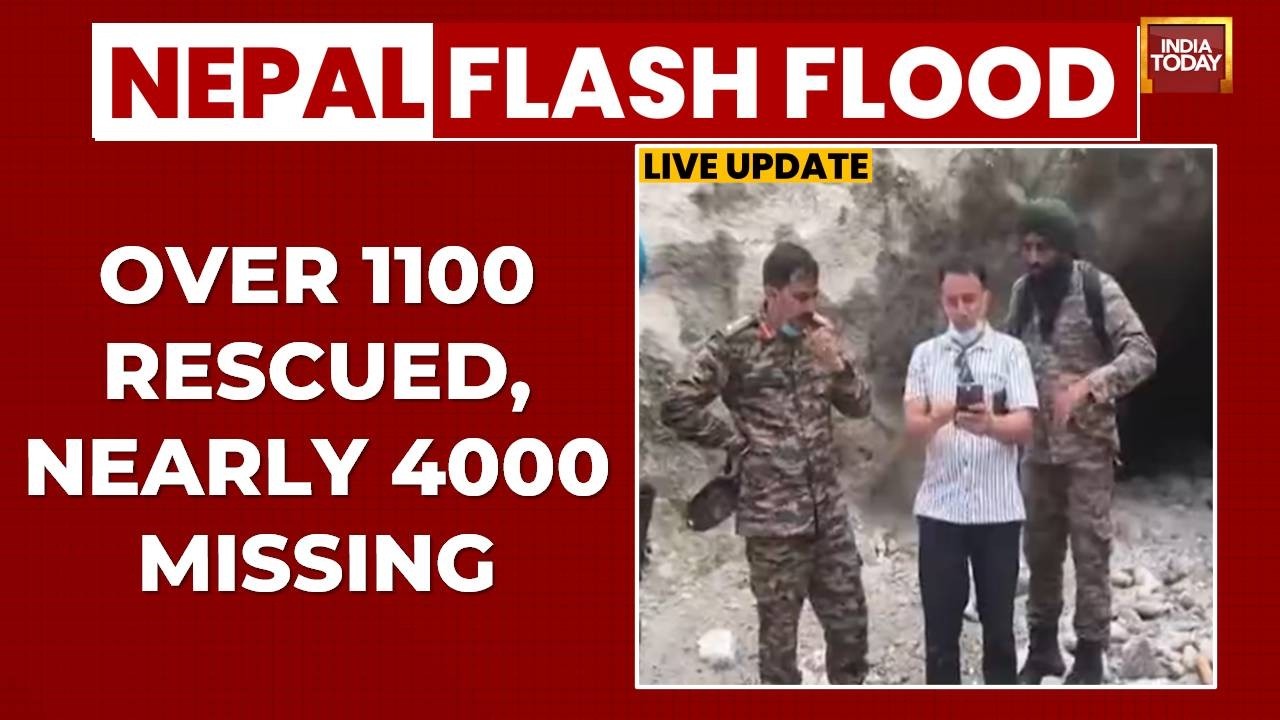
The flash floods, triggered by a collapse or avalanche of ice and rock near the Nepal-Tibet border on August 26, devastated towns and villages in northern and central Nepal. Officials said the death toll rose to 1,050 on Tuesday, while nearly 4,000 people were still missing, including 583 foreigners and 83 security personnel, according to the Disaster Risk Reduction and Management Authority.
"There is no doubt that climate change has caused this disaster, as it has been confirmed that the temperature in the Himalayan region has increased by 1.8 degrees," Shah said. He added, "Climate change is a global contribution and disaster response remains a global responsibility," and said, "This incident points towards the growing risk we have to bear as the consequences of climate change in the Himalayas."
Shah said experts concluded that the flash flood in the Bhotekoshi River in Rasuwa was the result of a rock-ice avalanche in the Himalayan region, and stressed the need for people in the region to be more cautious. "It is time we present the issue of the disaster we are facing due to climate change before the international community strongly," he said.
He also cited experts as saying that the flood in the Bhotekoshi River may have been caused by a large part of a glacier falling from a great height, which could have triggered a major flood and led to continued melting at the site. As the flow came down from the heights of the Himalayas towards Nepal, he said, it gathered force and devastated areas downhill. Shah said the government was carrying out search and rescue operations, relief and rehabilitation work, and was also providing medical treatment and psychological counselling. Overall, he said the disaster showed both the growing risks linked to climate change in the Himalayas and the need for a stronger global response.
With PTI Inputs
- Ends
Published By:
India Today Web Desk
Published On:
Sep 1, 2026 22:24 IST