1 month ago
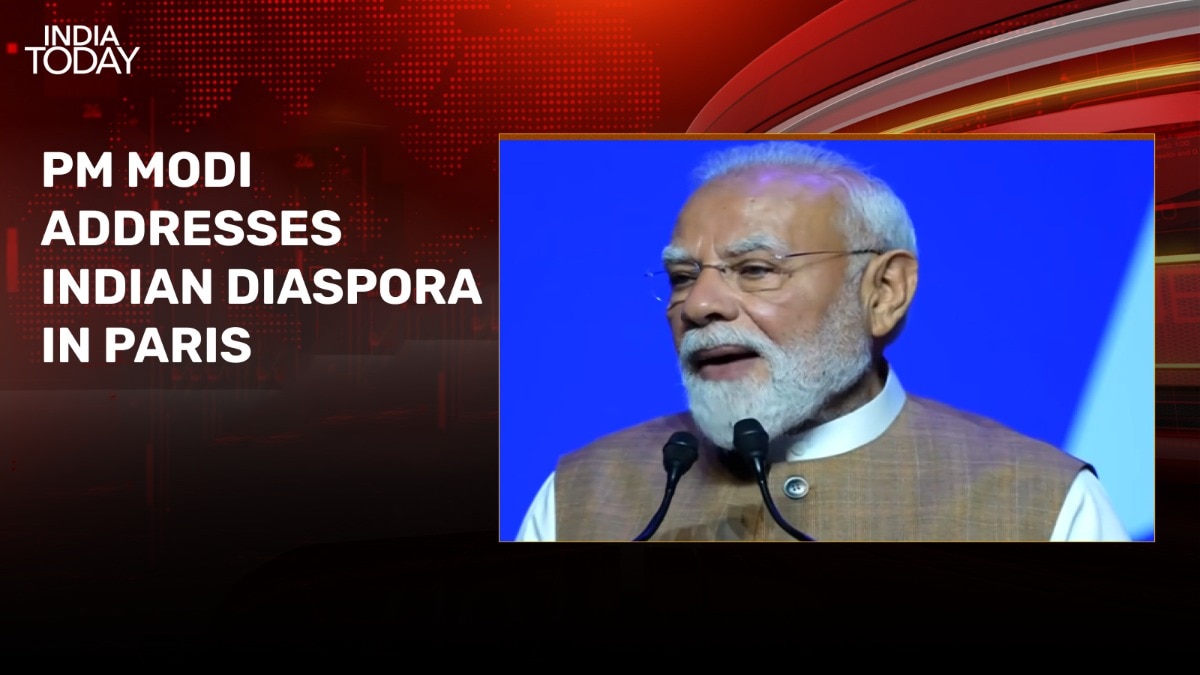
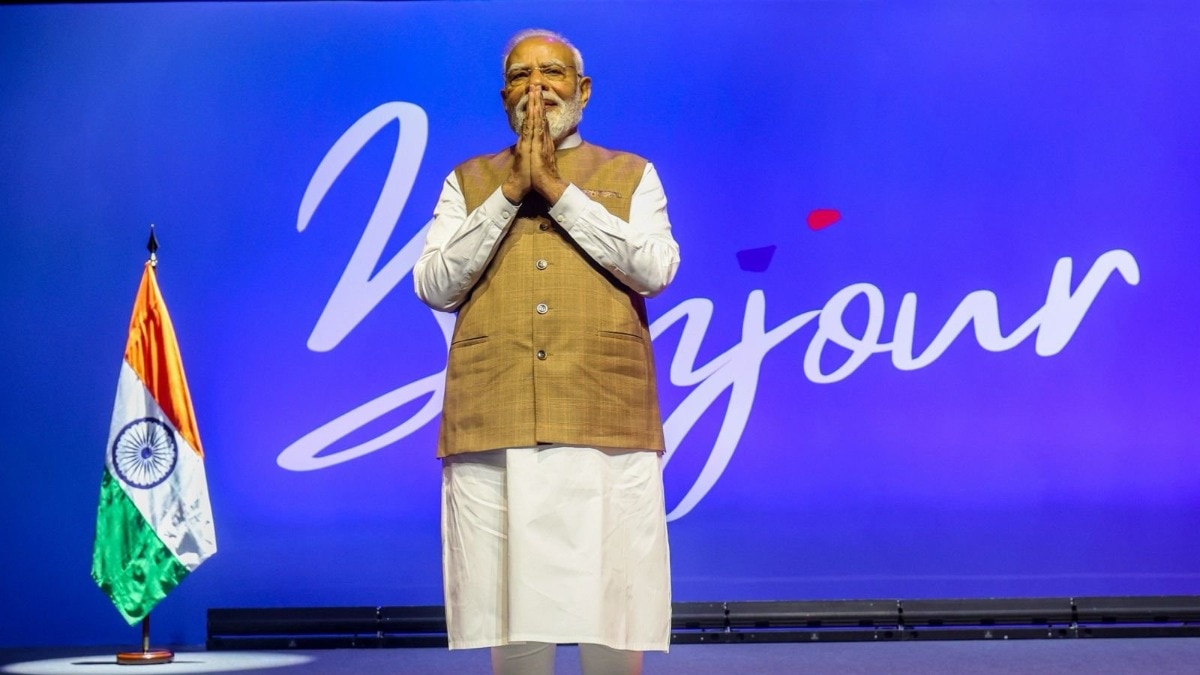
The Netherlands on Friday formally returned the 11th-century Anaimangalam copper plates, among the most significant surviving records of the Chola dynasty, to India, marking a major cultural restitution linked to artefacts taken away during the colonial era. The development came as Prime Minister Narendra Modi is in the country as part of his five-nation tour.
The repatriation of the Chola-period copper inscriptions, also known as the Leiden Plates, followed years of diplomatic engagement between India, the Dutch government and Leiden University, where the artefacts had remained for more than a century.
Known in the Netherlands as the Leiden Plates, the inscriptions date back to the reign of Emperor Rajaraja Chola I between 985 and 1014 CE and are regarded as among the most important pieces of Tamil heritage preserved outside India. The copper plates document grants of land revenues and taxes to the Chudamani Vihara, a Buddhist monastery in Nagapattinam built by Sri Mara Vijayotunga Varman, the ruler of the Srivijaya kingdom in present-day Indonesia.
Historians say the inscriptions provide rare insight into the maritime links, religious pluralism and cultural exchanges that connected South India and Southeast Asia during the height of Chola power. The records underline how Hindu rulers of the time patronised Buddhist institutions, reflecting a long Indian tradition of religious coexistence and support across faiths.
Scholars also point to broader cultural links between India and Southeast Asia during the period, noting that renowned Buddhist scholar Dipankara Srijana, or Atisa, travelled to Indonesia, while Chinese pilgrims heading to Nalanda Mahavihara often stopped there en route to India.
The artefacts themselves are monumental in scale and significance. The Anaimangalam copper plates consist of 21 large and three small copper sheets weighing nearly 30 kilograms, bound together by a circular copper ring carrying the royal Chola seal. While Rajaraja Chola I issued the original grant, it was his son, Emperor Rajendra Chola I, who later had the order engraved onto durable copper plates to preserve it permanently.
Historians describe the inscriptions not merely as administrative documents but as windows into the cosmopolitan and commercially connected world of medieval South India.
The Cholas, who rose to prominence after ruler Vijayalaya captured Thanjavur around 850 CE, presided over one of the greatest periods of prosperity in Tamil history. Their reign saw the construction of monumental temples such as the Brihadisvara Temple, built by Rajaraja Chola I at the end of the 10th century.
Dedicated to Lord Shiva, the temple remains one of India’s grandest architectural achievements and is now a Unesco World Heritage Site. The Chola period also produced world-renowned bronzes admired for their elegance and artistic refinement.
The copper plates were taken to the Netherlands during Dutch colonial rule on the Coromandel Coast in the 18th century. Historians believe they were acquired by Dutch official Florentius Camper through a Christian missionary operating in India at a time when Nagapattinam was under Dutch East India Company control.
The Dutch East India Company had shifted its Coromandel headquarters from Pulicat to Nagapattinam in 1690, and it was during this period that the artefacts passed into European hands. The plates later entered the collection of Leiden University in 1862 through the estate of Prof Hendrik Arent Hamaker and remained housed in the university library’s Asian collections.
For decades, the artefacts were preserved in secured vaults and made accessible mainly to researchers through advance requests. They were widely studied by historians and Tamil epigraphists and also entered popular culture through Ponniyin Selvan, the celebrated Tamil historical novel set during the Chola era.
India had long pursued the return of the plates through sustained diplomatic engagement with the Dutch government and Leiden University. The breakthrough came after the Netherlands finalised a restitution policy for colonial-era artefacts in 2022.
Detailed provenance research conducted by the Independent Colonial Collections Committee and Leiden University Libraries eventually concluded that the inscriptions should be repatriated to India.
The return of the Anaimangalam copper plates has been praised as both a milestone in India-Netherlands cultural cooperation and a symbolic restoration of a key chapter of India’s civilisational history.
- Ends
Published By:
Prateek Chakraborty
Published On:
May 16, 2026 12:17 IST