3 weeks ago
A Pew Research Center study has revealed that Pakistan is the only Muslim-majority country where favourable views of the US increased even as war raged on in Iran. The fieldwork in Pakistan began just days before Islamabad hosted the first round of US-Iran peace talks, suggesting that the country's role as a mediator might have contributed to the shift in public opinion.

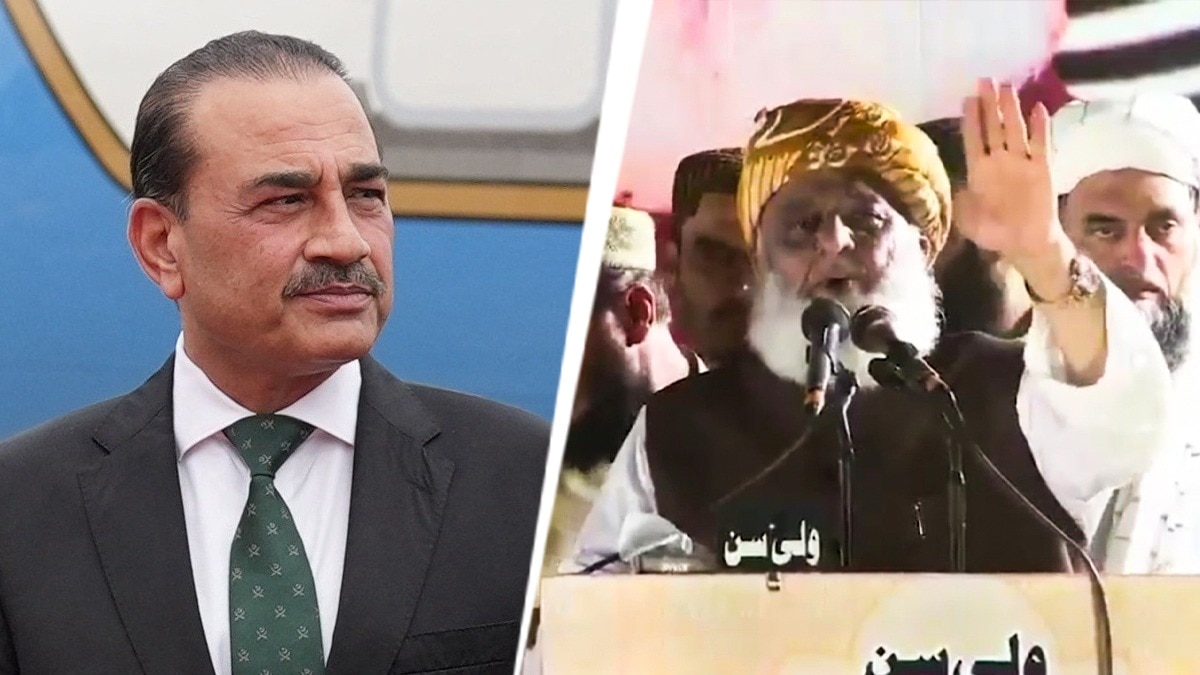
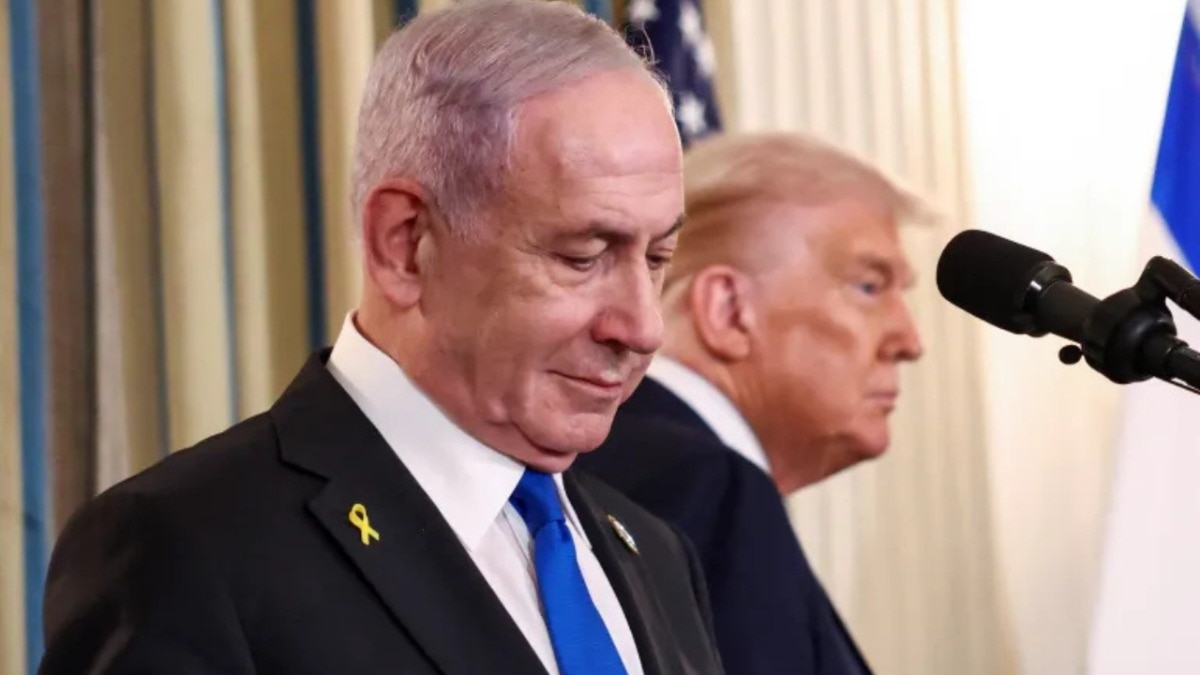
The growing bonhomie between Pakistan PM Shehbaz Sharif, US President Donald Trump and Pakistani Field Marshal Asim Munir appears to have resonated with the Pakistani public. (Image: File)

New Delhi,UPDATED: Jun 24, 2026 17:10 IST
Pakistan has found itself in an unusual position as the only Muslim-majority country where views of the United States improved during the recent Iran conflict. According to a new Pew Research Center study released on Tuesday, Pakistan stood out as an outlier, with favourable perceptions of Washington rising even as attitudes toward the US deteriorated across much of the Muslim world.
The report, titled "What Happens When War Breaks Out in the Middle of a Survey?", examined how a major geopolitical event can shape public opinion when it unfolds, while a survey is still being conducted.
The timing of the survey appears significant in shaping the people of Pakistan's views about the US, said the report.
In Pakistan, the fieldwork for the study began on April 8, shortly after Ramadan, and just days before Islamabad hosted the first round of indirect peace talks between the US and Iran. At a time when tensions in the region were escalating, Pakistan sought to position itself as a diplomatic intermediary rather than a participant in the conflict.
The crisis began after the US and Israel launched strikes on Iran on February 28, triggering a broader regional confrontation. As hostilities intensified, Pakistan attempted to play the role of a mediator for peace.
It was Pakistani Prime Minister Shehbaz Sharif who later announced that the United States and Iran had agreed to a ceasefire, reinforcing Islamabad's image as a facilitator of dialogue between the two sides.
Researchers noted that the timing of the survey, coinciding with Pakistan's diplomatic engagement in the peace process, may have influenced public attitudes toward Washington.
In countries such as Bangladesh, Indonesia, Malaysia, Turkey, and Nigeria, attitudes toward the United States either declined or showed no significant improvement during the same period.
India, meanwhile, recorded one of the more notable declines in favourable views of the US among the countries surveyed.
ENERGY SCARE AND THE STRAIT OF HORMUZ FACTOR IMPACTING THE US's IMAGE
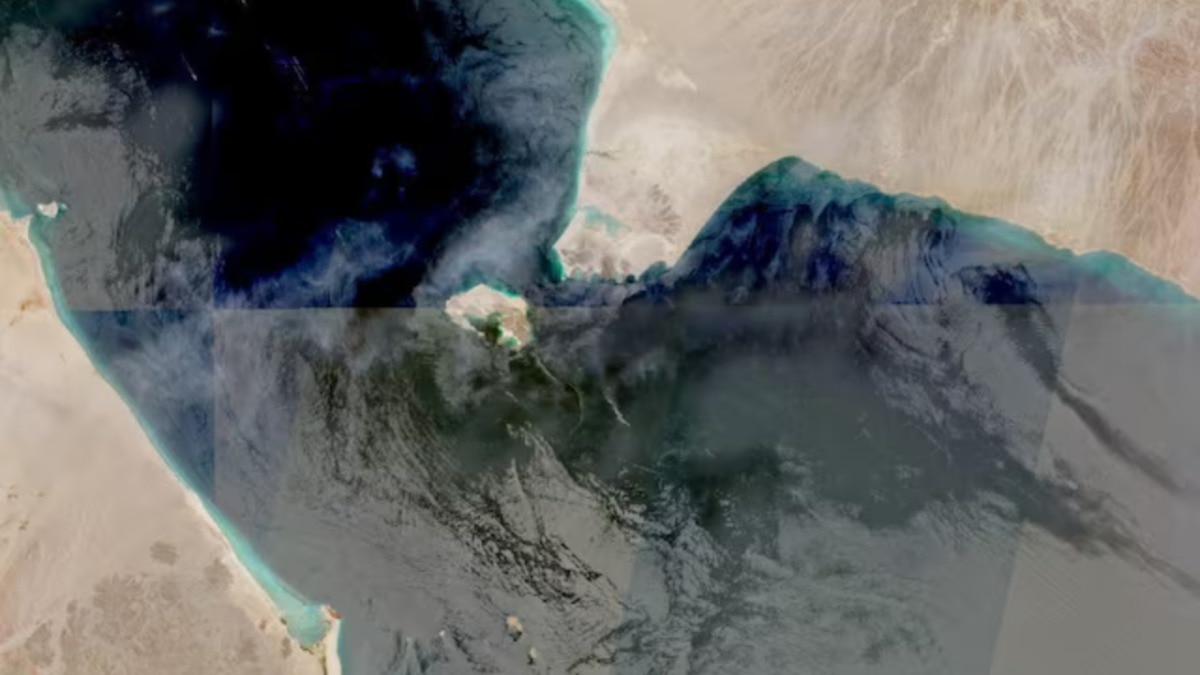
One factor highlighted by the researchers for the continued negative image of the US among the Muslim-dominated and other countries is the economic uncertainty triggered by the Middle East war, particularly in countries dependent on energy supplies moving through the Strait of Hormuz.
Bangladesh was among the countries most exposed to the disruption. Dhaka relies heavily on imported energy from Gulf states, much of which travels through the Strait of Hormuz.
During the survey period, rising global energy prices and fears of supply disruptions coincided with a deterioration in public sentiment. Pew found that Bangladeshis became significantly more pessimistic about their domestic economy, while favourable views of the US also declined.
Indonesia, which imports a significant portion of its energy needs, also faces some exposure to disruptions in Gulf shipping routes, though to a lesser extent than Bangladesh.
Meanwhile, Malaysia and Nigeria presented a different picture.
Malaysia is itself a major producer of oil and liquefied natural gas, while Nigeria is one of Africa's largest oil exporters. As a result, neither country is heavily dependent on energy shipments moving through the Strait of Hormuz. Their declining or stagnant views of the United States, therefore, appear to be linked more to broader geopolitical perceptions than to concerns over energy security alone.
The Pew revealed that for its study, the researchers surveyed approximately 1,000 adults in most countries, forming part of a broader global survey covering around 42,000 respondents.
PAKISTAN VIEWS US FAVOURABLY, BUT NOT PRESIDENT DONALD TRUMP
While Pakistan's overall perception of the US increased, the survey also revealed that there is a sharp distinction between the views of Pakistani respondents about the US and of its president.
One of the most striking findings of the Pew report is the low level of global confidence in US President Donald Trump. Respondents were asked whether they had confidence in six world leaders to "do the right thing regarding world affairs": Donald Trump, Chinese President Xi Jinping, Russian President Vladimir Putin, French President Emmanuel Macron, Ukrainian President Volodymyr Zelenskyy, and Israeli Prime Minister Benjamin Netanyahu.
Across the 36 countries surveyed, a median of just 23% of adults expressed confidence in Trump. His ratings lagged behind those of Macron, Zelenskyy, Xi, and Putin. Among the six leaders tested, only Netanyahu received lower overall confidence ratings.
Pakistan followed this broader pattern. Despite a modest improvement in attitudes toward the US, confidence in Trump remained negative. Around 82% of Pakistani respondents said they had little or no confidence in the US president, while only 12% expressed confidence in him.
In contrast, Chinese President Xi Jinping emerged as the most positively viewed global leader in Pakistan. Xi had the assent of 83% of Pakistani respondents who said they had confidence in the Chinese leader. This also showcases Beijing's strong influence in Pakistan.
The lack of confidence in Trump was also evident across other Muslim-majority countries surveyed. According to the Pew report, 63% of respondents in Bangladesh, 78% in Indonesia, 87% in Malaysia, and 92% in Turkey said they have no confidence in the US president's handling of world affairs.
In India, public opinion was more divided. Around 36% of respondents expressed no confidence in Trump, and Russian President Vladimir Putin emerged as one of the more trusted international leaders among Indian respondents.
MAJORITY OF PAKISTANIS BELIEVE THAT THE US INTERFERES IN THEIR INTERNAL AFFAIRS
The Pew survey also throws light on a long-standing source of scepticism toward Washington in many developing countries. The perceptions of foreign interference of the US in countries' internal affairs.
In Pakistan, 76% of respondents said they believed that the US interferes in the country's internal affairs. Despite the improvement in overall views of the US during the survey period, concerns about US influence in domestic politics remain intact.
Similar patterns were recorded across other Muslim-majority countries. Majorities in Bangladesh (56%), Turkey (75%), Indonesia (74%), and Nigeria (79%) also said that the US interferes in their country's affairs.
The role of mediator has really flattered the Pakistanis, and the Pew report is just another document that could be used as a document in support of this statement. The growing favourable views about the US make Pakistan the only Muslim-dominated country to have these views.
Pakistan's role as a mediator between the US and Iran appears to have strongly flattered its public, and the latest Pew findings offer empirical support for that observation.
- Ends
Published By:
Avinash Kateel
Published On:
Jun 24, 2026 17:10 IST