1 month ago
Pakistan has warned Yemen's Houthi rebels that it would use force against them after the Iran-backed group declared a naval blockade against Saudi Arabia in the Red Sea. Pakistan also condemned the Houthis after they attacked two Saudi oil tankers. Pakistan and Saudi Arabia have a Nato-like defence pact.
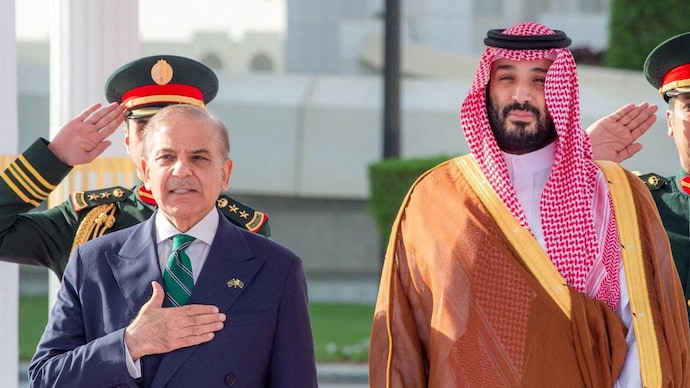
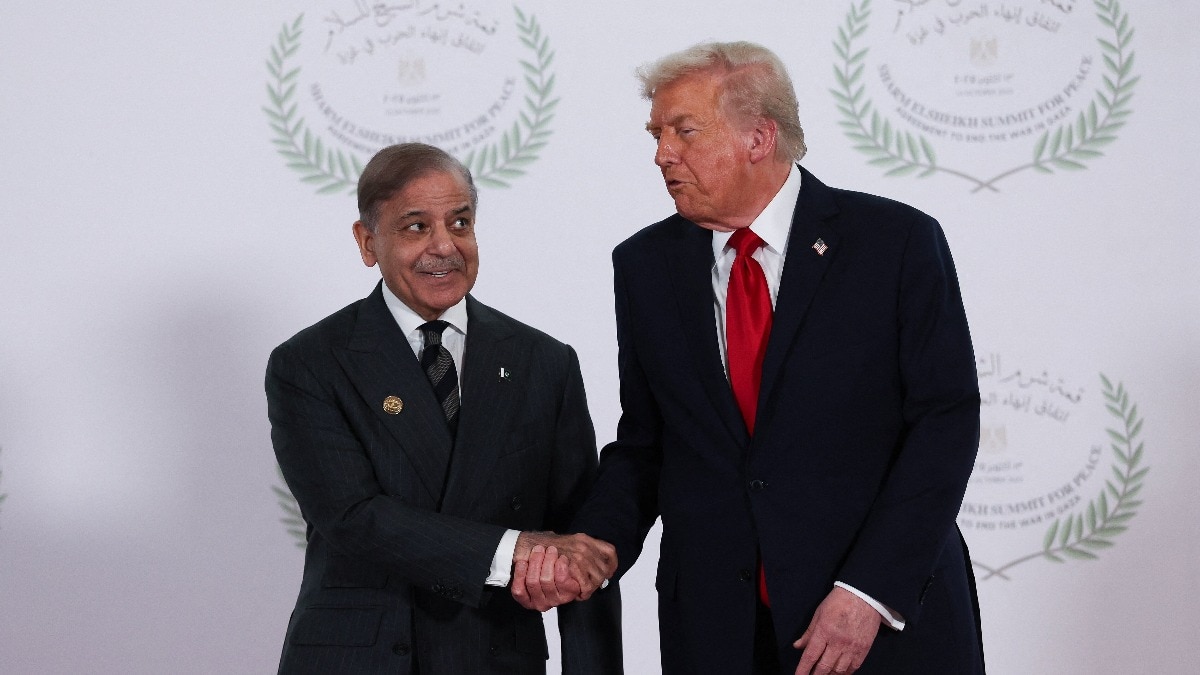
Pakistan Prime Minister Shehbaz Sharif and Saudi Crown Prince Mohammed bin Salman held a telephone conversation on Thursday. (Image: Reuters)
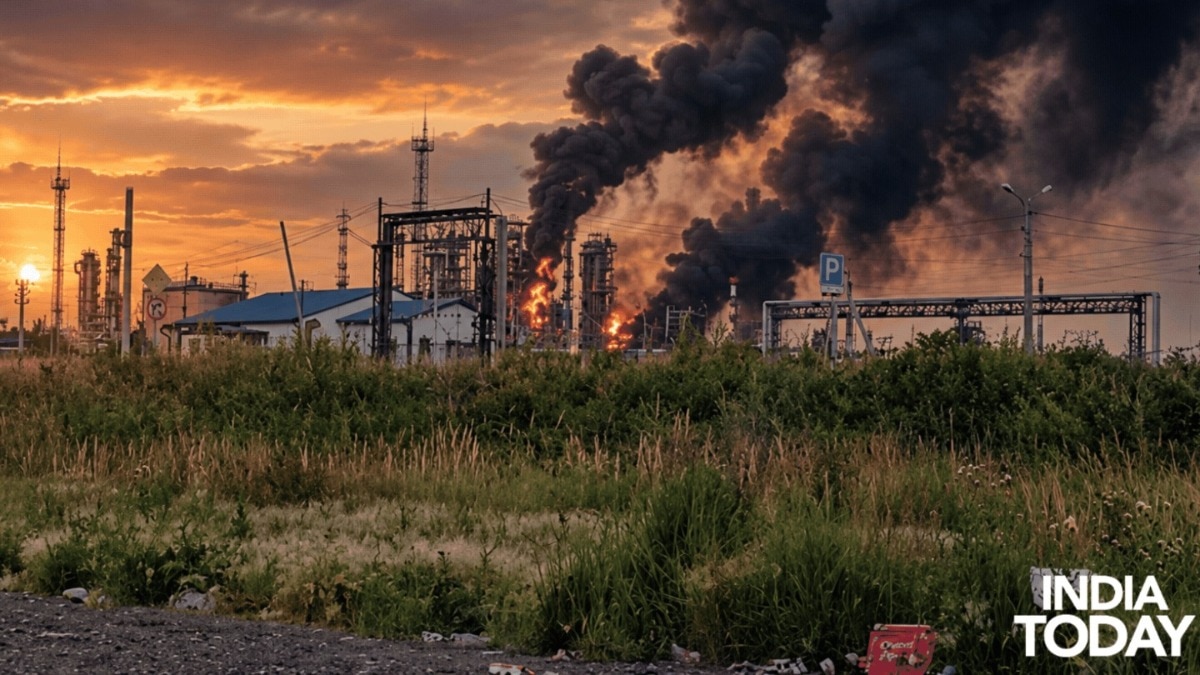
Pakistan seems to be sucked into the crisis in the Middle East. After carefully worded statements and quiet balancing acts, Pakistan was forced to threaten Yemen's Houthi rebels with the use of force. That came after the Iran-backed rebels imposed a naval blockade on Saudi Arabia and attacked two Saudi oil tankers in the Red Sea.
On Thursday, Pakistan Prime Minister Shehbaz Sharif said that he had a phone conversation with Saudi Crown Prince Mohammed bin Salman, condemning the "Houthi militia's attacks" and reaffirming Pakistan's "complete solidarity" with Riyadh.
"I condemn, in the strongest possible terms, the Houthi militia's attacks against Saudi oil tankers in the Red Sea. Such actions are unacceptable, violate international law, threaten freedom of navigation, and undermine regional peace and security," Sharif posted on X after speaking with the Saudi Crown Prince.
Sharif added that he, along with Field Marshal Asim Munir and the Pakistani nation, stood "firmly and resolutely" with the Saudi leadership. He also said that Pakistan and Saudi Arabia have also agreed to work closely to maintain regional peace and ensure the uninterrupted flow of lawful maritime commerce through both the Red Sea and the Strait of Hormuz.
The statement marked a significant escalation from Islamabad's position a day earlier.
PAKISTAN WARNS YEMEN'S HOUTHI REBELS OF USE OF FORCE
On Wednesday, Pakistan publicly warned that it was prepared to use force to defend its maritime interests if Houthi rebels targeted Pakistani-flagged vessels or commercial shipping linked to Saudi Arabia. Karachi-based Dawn news described the statement as one of Islamabad's strongest public declarations in recent years.
The warning came after the Houthis announced an immediate maritime embargo on Saudi Arabia, threatening shipping through the Red Sea and opening a new front in the widening Middle East conflict, according to Dawn.
Pakistan's Foreign Office condemned the Houthi threats as a violation of international law, saying threats against commercial shipping and trade with Saudi Arabia were "unacceptable" and warning that any hostile act against Pakistani vessels or maritime interests would be treated as "a grave threat" to Pakistan's sovereignty and national security.
Islamabad further declared that it reserved the right to "take all necessary measures, including lawful use of force" in self-defence, consistent with the United Nations Charter and international law, Dawn reported.
The unusually blunt language of Pakistan reflects far more than diplomatic support for Saudi Arabia.
PAKISTAN AND SAUDI ARABIA HAVE A NATO-LIKE DEFENCE PACT
Pakistan and Saudi Arabia have maintained one of the closest defence partnerships in the Muslim world for decades. Thousands of Pakistani military personnel have served in the Kingdom in advisory and training roles, while defence cooperation has remained a cornerstone of Islamabad's Gulf policy.
That relationship between the two deepened in September 2025 when the two countries signed a Strategic Mutual Defence Agreement, under which an armed attack against either country is treated as an act of aggression against both. This is similar to what Nato member countries have.
According to Dawn, Pakistan had already invoked the defence arrangement through diplomatic intervention earlier this year to discourage heavier Iranian strikes against Saudi Arabia.
The immediate trigger for Islamabad's latest warning was the Houthis' threat to impose a maritime blockade targeting Saudi-linked shipping through the Bab al-Mandab Strait, the narrow chokepoint connecting the Red Sea with the Gulf of Aden.
The Iran-backed rebels have repeatedly targeted commercial shipping in the waterway since the Gaza conflict began, but their latest declaration significantly widens the scope by directly threatening Saudi Arabia's trade routes.
According to the Riyadh-based Arab News, Pakistan described the Houthi threats as endangering regional security, freedom of navigation, rules-based maritime order and global commerce. Islamabad also stressed that threats against vessels engaged in lawful trade with Saudi Arabia violated international law.
RED SEA ROUTE CRUCIAL FOR PAKISTAN'S CRUDE SUPPLY
For Pakistan, the blockade imposed by Houthis on Saudi Arabia is not merely strategic. It is also economic.
With the Strait of Hormuz effectively disrupted by the renewed US-Iran confrontation, Saudi Arabia has increasingly relied on its Red Sea ports to export crude oil. Pakistan, in turn, depends heavily on Saudi oil shipped through the same corridor. Any prolonged disruption could threaten Pakistan's energy security and force it to seek more expensive crude from alternative suppliers, according to Arab News.
The concerns are already being reflected in commercial shipping patterns.
According to a Reuters report, four oil tankers altered their routes in the Red Sea on Wednesday. Two diverted towards the Suez Canal while two others headed into open waters. A fifth vessel, which had signalled Saudi Arabia's port of Jeddah as its destination, also appeared to turn away in the Gulf of Aden.
Reuters on Tuesday (July 21) reported that three Saudi crude tankers bound for China and India similarly reversed course instead of sailing near Yemen's coast.
The Bab al-Mandab Strait remains one of the world's most critical maritime chokepoints. Any sustained disruption there would complicate Saudi Arabia's efforts to bypass the Strait of Hormuz, further tightening pressure on global energy supplies.
TRUMP'S 'WILL TAKE CARE' WARNING TO HOUTHIS
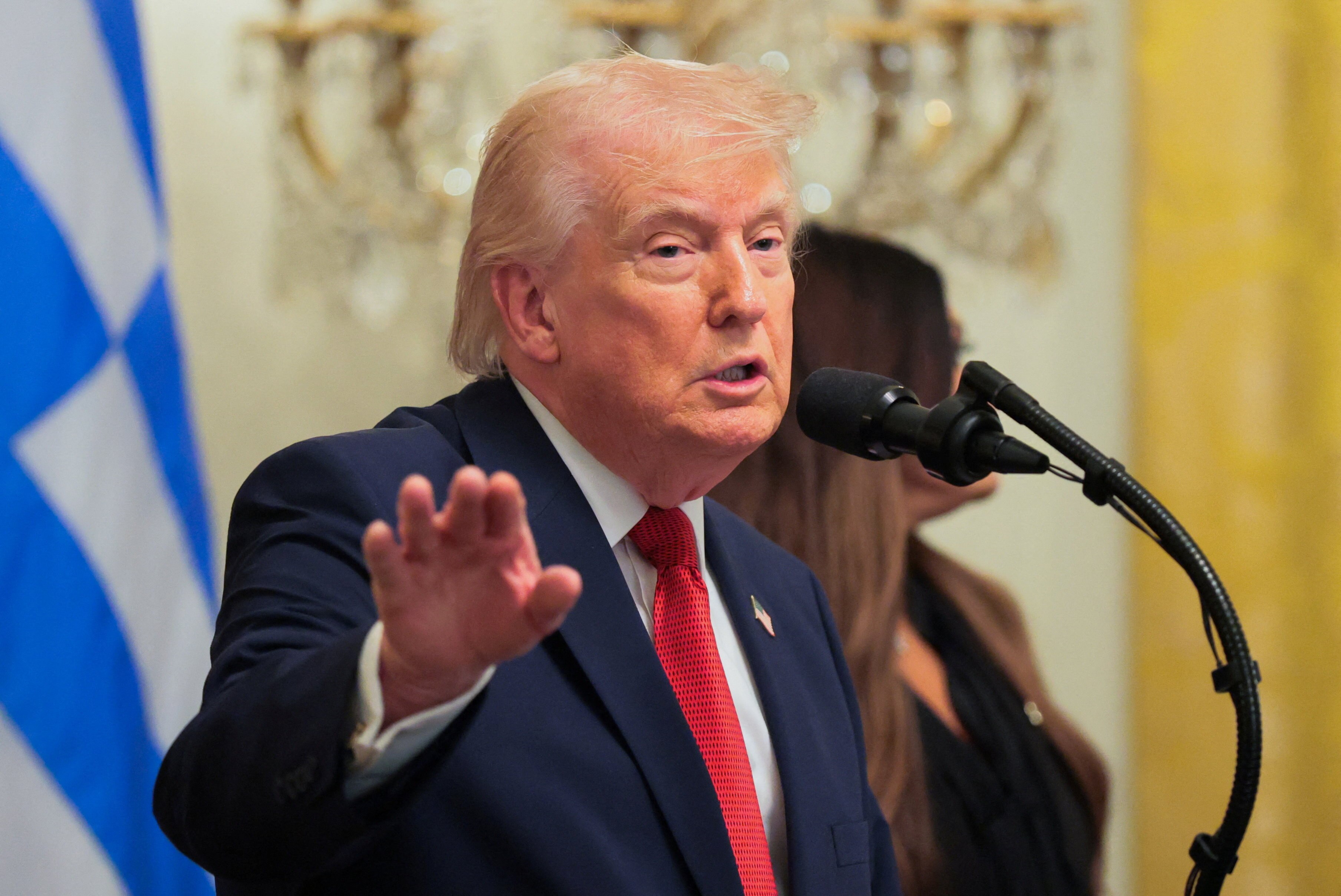
The developments in the Middle East have also drawn Washington into the escalating crisis. US President Donald Trump had earlier warned that the United States would "take care of" the Houthis if they followed through on their threat to blockade Saudi Arabia's ports, according to the Associated Press.
Despite its unusually strong warning, Pakistan has continued to emphasise diplomacy.
Pakistan's Foreign Office reiterated Islamabad's commitment to dialogue, regional de-escalation and international law while urging all parties to ensure the safety of maritime commerce. At the same time, it expressed concern over attempts to draw Saudi Arabia deeper into the wider Middle East conflict.
For years, Pakistan's support for Saudi Arabia was largely conveyed through quiet diplomacy and military cooperation behind closed doors. The statements issued by Pakistan and Sharif's direct call to Crown Prince Mohammed bin Salman after the reported tanker attack suggest Islamabad is now finally prepared to publicly stand beside its closest defence partner as the Middle East conflict threatens to spill into one of the world's most vital energy corridors. Pakistan also risks getting sucked into the Middle East turmoil.
- Ends
Published By:
Avinash Kateel
Published On:
Jul 23, 2026 20:26 IST