1 month ago
Last Updated:March 09, 2026, 18:43 IST
India's crude oil reserves and energy products are sufficient for now, said sources. “There is no concern on aviation...Rise of petrol prices is unlikely,” said sources


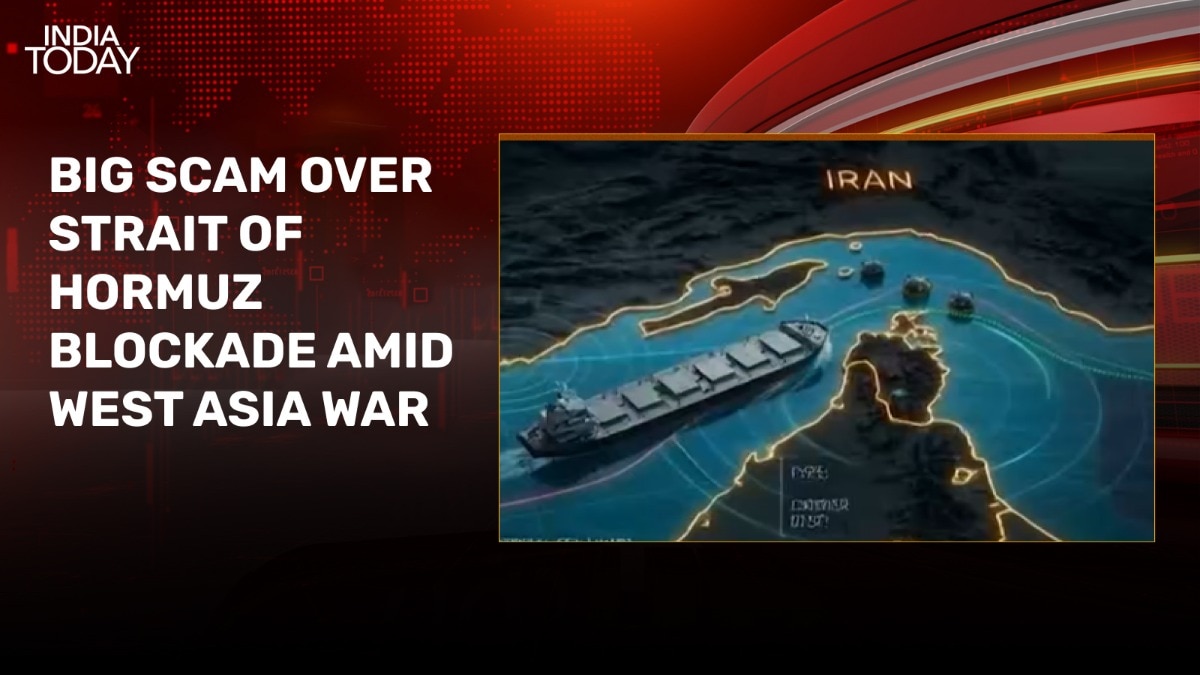
Boats manoeuvering around a tanker vessel during a military exercise by members of the IRGC and navy in the Strait of Hormuz. (Photo: AFP)
Across the world, the shutdown of the Strait of Hormuz, considered a critical oil chokepoint, amid the US-Israel-Iran war have led to fears over economic and energy security risks.
Should India, too, be majorly worried? Sources tell News18 India has no major concerns at the moment.
US-Israel-Iran war and Strait of Hormuz
Oil prices spiked near $120 per barrel before falling back Monday as the Iran war intensified, threatening production and shipping in the Middle East and pummelling financial markets. The price for a barrel of Brent crude, the international standard, surged to $119.50 per barrel early in the day but later was trading at $107.80 per barrel.
ALSO READ | Can Shutting Of Strait Of Hormuz Amid US-Israel-Iran War Impact India’s Internet? Explained
Oil prices have surged as the war, now in its second week, ensnares countries and places that are critical to the production and movement of oil and gas from the Persian Gulf.
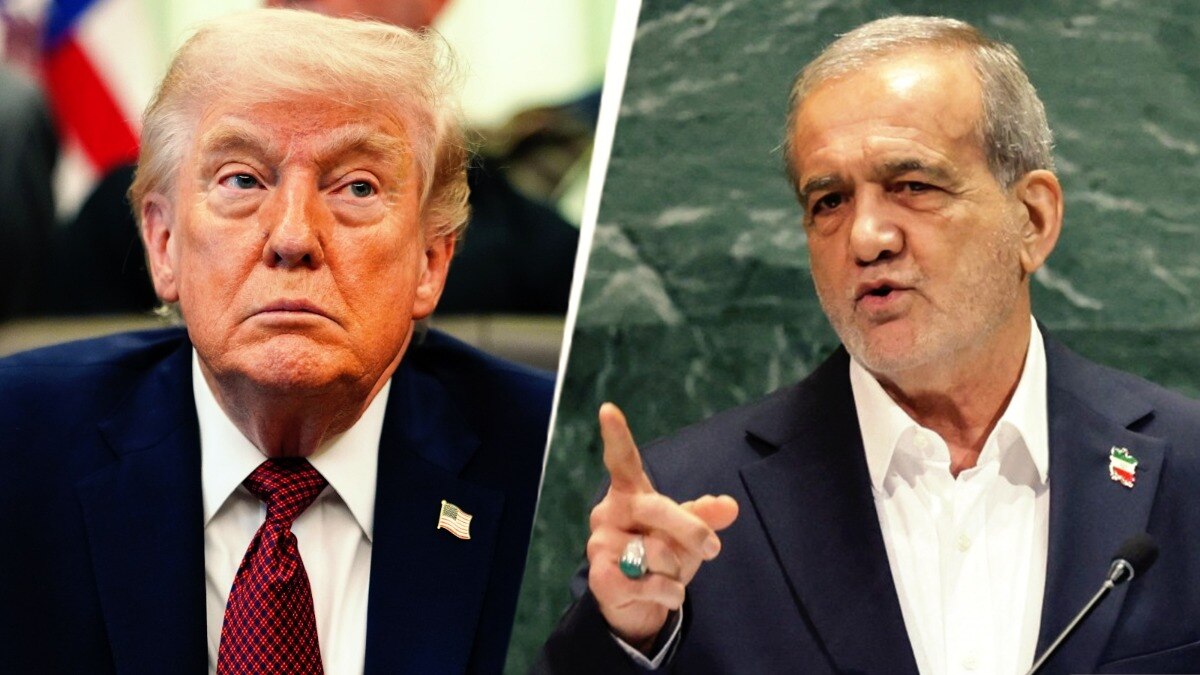
Prices moderated after the Financial Times reported that some members of the Group of Seven industrial nations were considering releases of strategic oil reserves to alleviate pressure on the markets. The unconfirmed report cited unnamed people familiar with the talks. On Saturday, President Donald Trump downplayed the idea of turning to America’s Strategic Petroleum Reserve, saying US supplies were ample and prices would soon fall.
Roughly 15 million barrels of crude oil — about 20% of the world’s oil — typically are shipped every day through the Strait of Hormuz, according to independent research firm Rystad Energy.The threat of Iranian missile and drone attacks has all but stopped tankers from traveling through the strait, which is bordered in the north by Iran, carry oil and gas from Saudi Arabia, Kuwait, Iraq, Qatar, Bahrain, the United Arab Emirates and Iran.
Iraq, Kuwait and the UAE have cut their oil production as storage tanks fill due to the reduced ability to export crude. Iran, Israel and the United States also have attacked oil and gas facilities since the war started, exacerbating supply concerns.
The surge in costs for oil and natural gas is pushing fuel prices higher, cascading through other industries and jolting Asian economies that are especially vulnerable due to the region’s heavy reliance on imports from the Middle East. The last time Brent and US crude futures traded near the current level was in 2022, after Russia invaded Ukraine. Higher energy costs push inflation higher, straining household budgets and denting the consumer spending that is a main driver of many big economies.
India and Strait of Hormuz
India imports approximately 88% of its crude oil, with roughly 50% to 60% of these imports passing through the Strait of Hormuz from suppliers like Iraq, Saudi Arabia, the UAE, and Kuwait.
About 50% to 60% of India’s LNG (liquefied natural gas) and 80% to 85% of its LPG (cooking gas) transit the strait. Unlike oil, India has very thin “structural buffers" for gas, making these supplies even more sensitive.
Every $1 increase in crude oil prices can raise India’s annual import bill by about $2 billion. Analysts warn that a $10 hike in oil prices could reduce India’s GDP by 0.5%.
Should India be worried about the shutting of Strait of Hormuz?
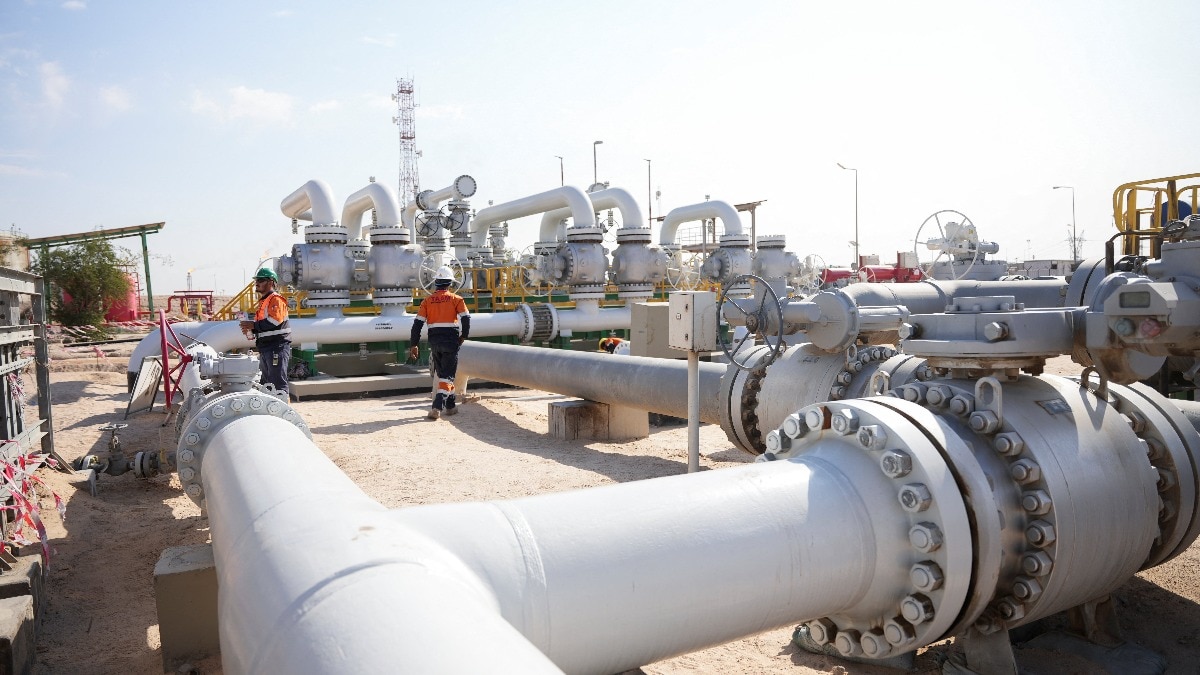
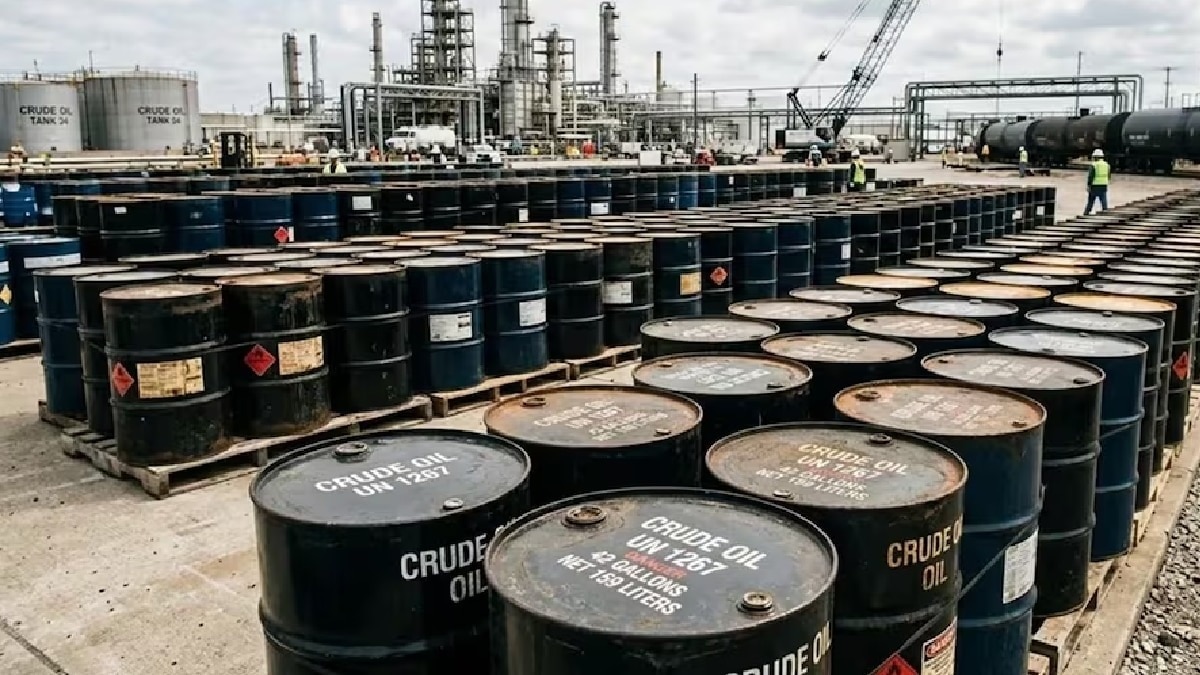
CRUDE OIL: India’s current crude oil reserves (including strategic and commercial stocks) are estimated at 100 million barrels, which, sources say can last for at least 25 days. With G7 reassurance to release oil, prices are likely to come down, said sources.
India can pivot back to Russian crude, as millions of barrels are currently floating in the Indian Ocean as a ready fallback. It is also looking to expand supplies from the US, West Africa, and Latin America, according to reports. Some reports suggest Iran may allow traffic for countries not aligned with the US or Israel, which could provide a vital loophole for Indian tankers.
ENERGY PRODUCTS: New Delhi’s energy products, too, could last for 25 days, said sources. “No concern on aviation fuel as we are exporters and have enough stock. Rise of petrol prices is also unlikely," said sources.
ALSO READ | US-Israel-Iran War News LIVE Updates HERE
In case of LPG situation, the bulk of which comes from Hormuz, clearance is awaited, but the situation is under control, said sources. In case of commercial versus domestic use of LNG, priority will be given to domestic consumer consumption, said sources.
Other risks
The Persian Gulf is a major source of urea and ammonia and a prolonged closure could trigger a “fertiliser shock". Key Indian exports like tea, 41% of which goes to the Gulf region, and diamonds could face severe logistics and insurance-led cost spikes, said reports. Several critical undersea cables (like SMW4 and FALCON) pass near the region; ongoing security risks have prevented necessary repairs, threatening India’s digital ecosystem, according to reports.
With AP, agency inputs
First Published:
March 09, 2026, 18:43 IST
News india Should India Be Worried Over Shutdown Of Strait Of Hormuz Amid Israel-Iran War? Not Yet, Say Sources
Disclaimer: Comments reflect users’ views, not News18’s. Please keep discussions respectful and constructive. Abusive, defamatory, or illegal comments will be removed. News18 may disable any comment at its discretion. By posting, you agree to our Terms of Use and Privacy Policy.
Read More