1 month ago
Last Updated:December 10, 2025, 10:54 IST
From Australia’s under‑16 ban to Iran’s nationwide block, explore how countries regulate or restrict social media access.
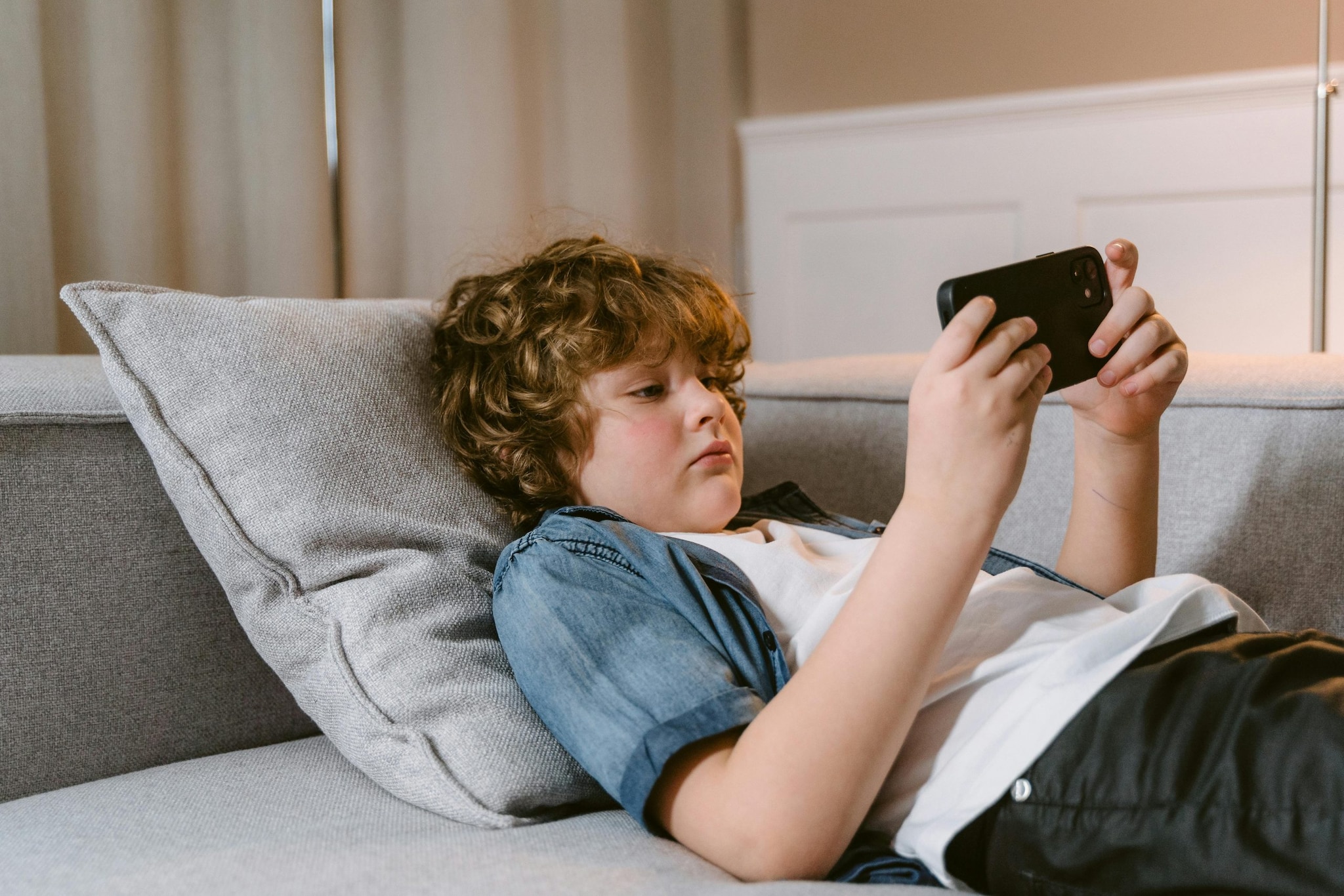
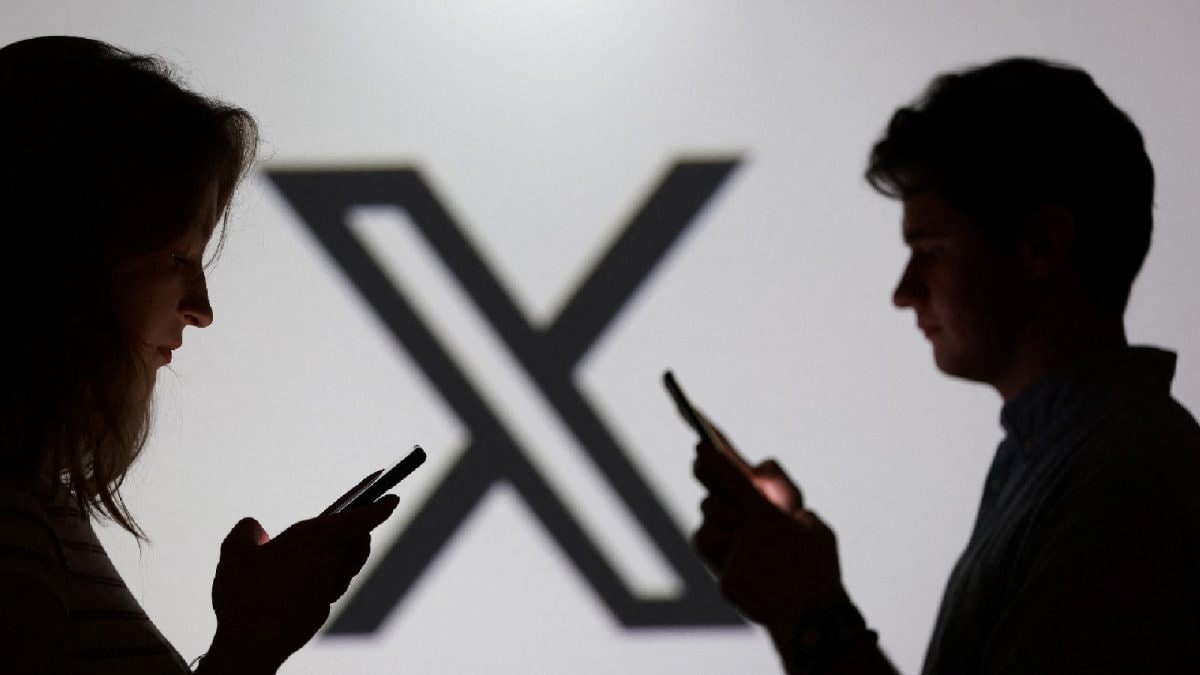
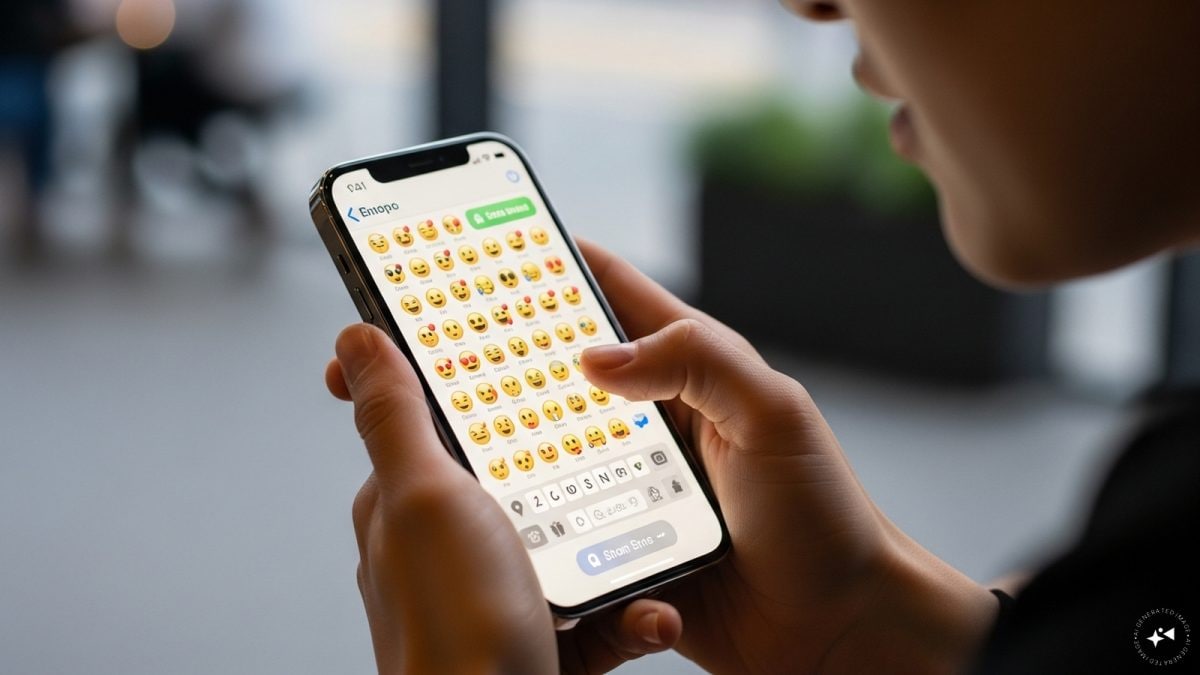
On December 10, 2025, Australia began enforcing a world-first law that blocks children under 16 from accessing platforms such as TikTok, YouTube, Instagram, and Facebook. The ban, passed through the Online Safety Amendment (Social Media Minimum Age) Bill 2024, requires ten of the largest platforms to block minors or face fines of up to A$49.5 million ($33 million). Prime Minister Anthony Albanese hailed the move as a “proud day” for families, arguing that it restores control to parents and protects children from harmful online content. The ban is being closely watched worldwide, as it represents one of the toughest age-based restrictions on social media ever implemented. Critics, however, warn of free speech concerns and the challenges of enforcing such laws in a digital ecosystem that thrives on anonymity. (Image: Pexels)
While Australia is the first to implement a blanket ban for under-16s, several countries have experimented with bans or strict regulations targeting social media use. (Image: Pexels)
China has long enforced strict controls on social media. Its domestic version of TikTok, Douyin, limits minors to just 40 minutes of daily use, while broader censorship ensures that content aligns with government standards. This approach reflects China’s broader philosophy of tightly regulating digital platforms. (Image: Pexels)
Iran has imposed nationwide bans on platforms such as Facebook, Twitter, and YouTube for years. These restrictions are rooted in political and cultural concerns, with authorities arguing that such platforms spread content that undermines state values. (Image: Pexels)
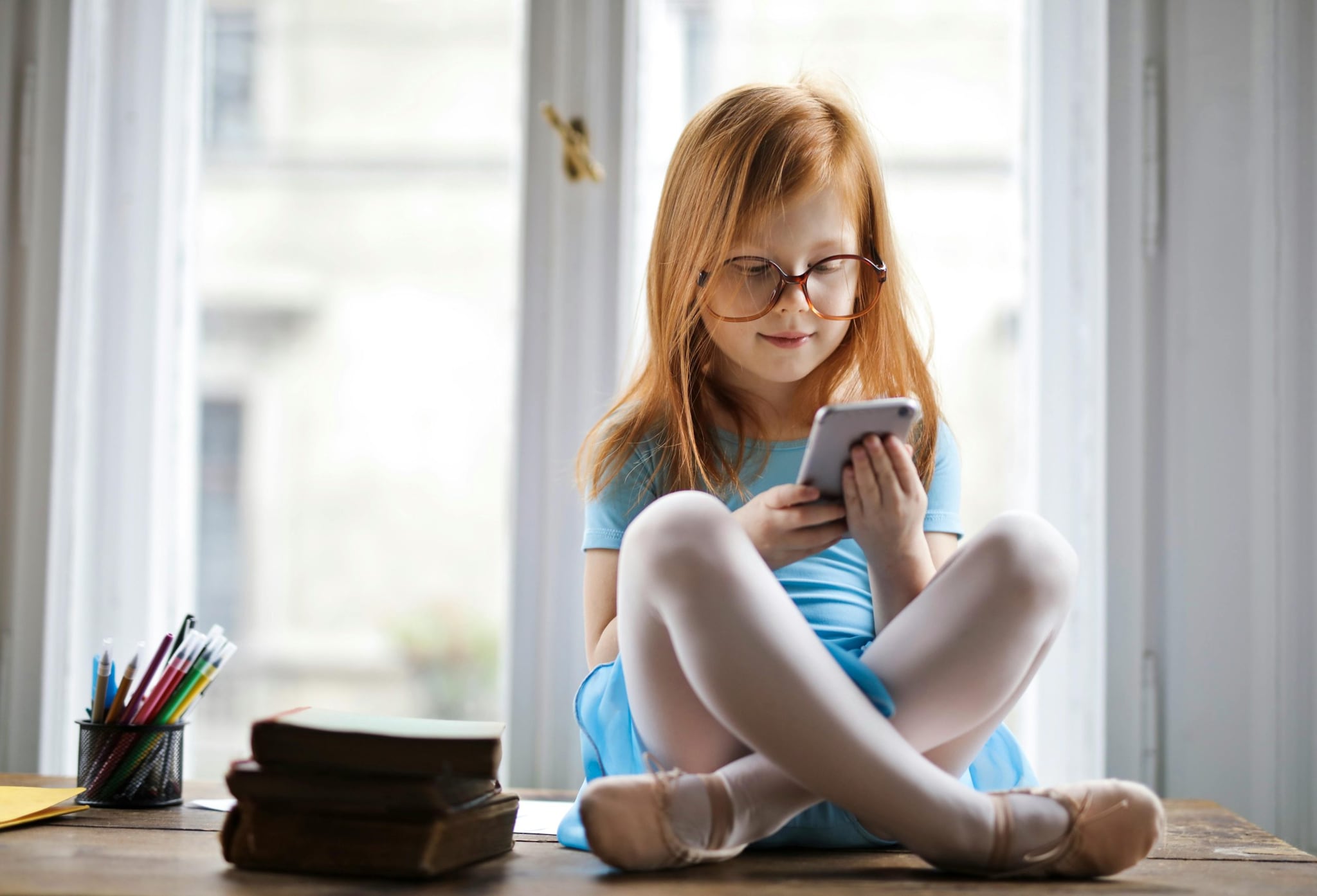
North Korea takes the most extreme stance, with a total ban on global social media. Citizens are restricted to a state-controlled intranet, leaving them completely cut off from platforms like Instagram, Twitter, or TikTok. (Image: Pexels)
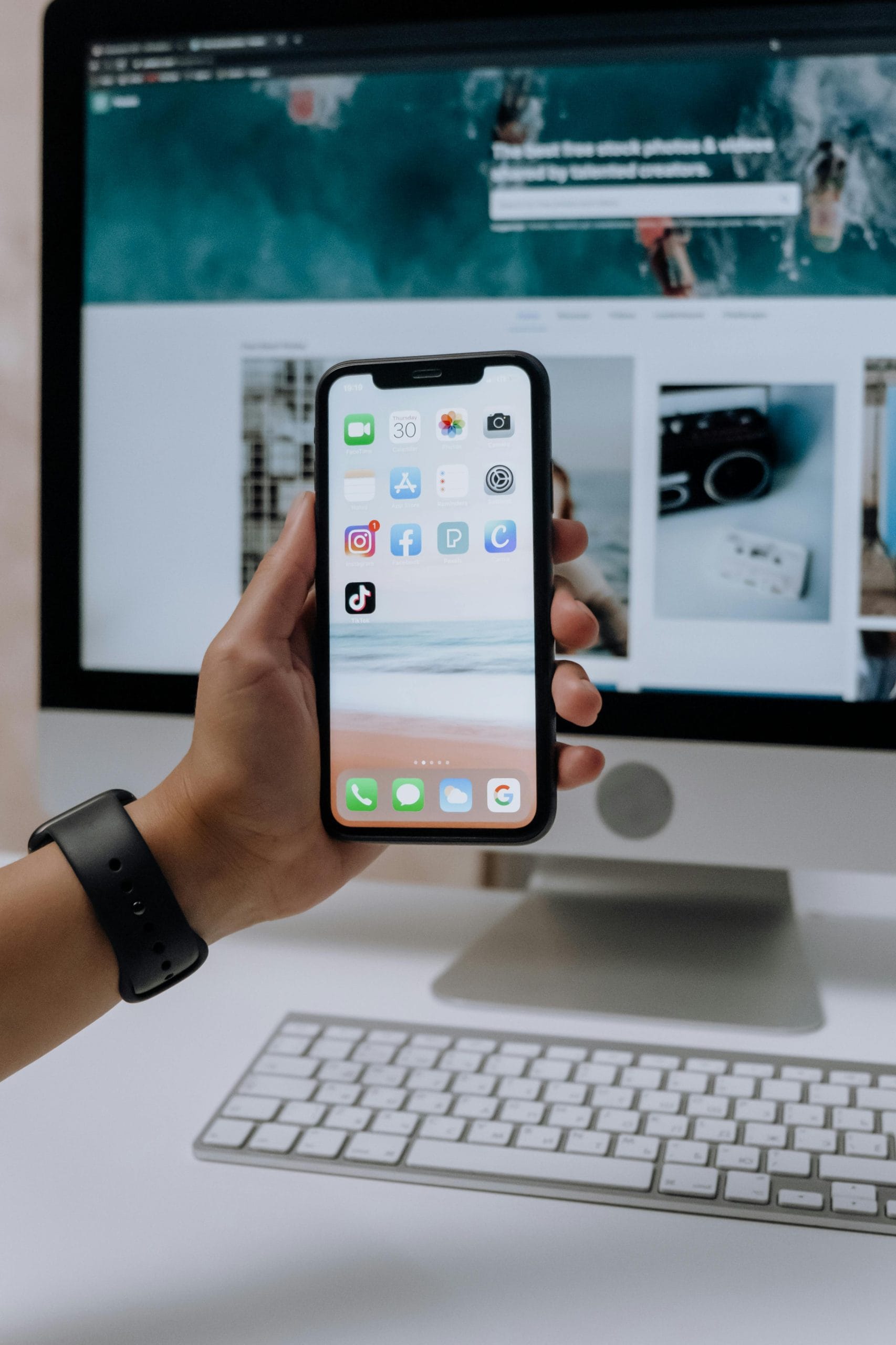
Turkey has repeatedly resorted to temporary bans on social media platforms during times of political unrest. Twitter and Facebook, for example, have been blocked in the past to control the flow of information during crises. (Image: Pexels)
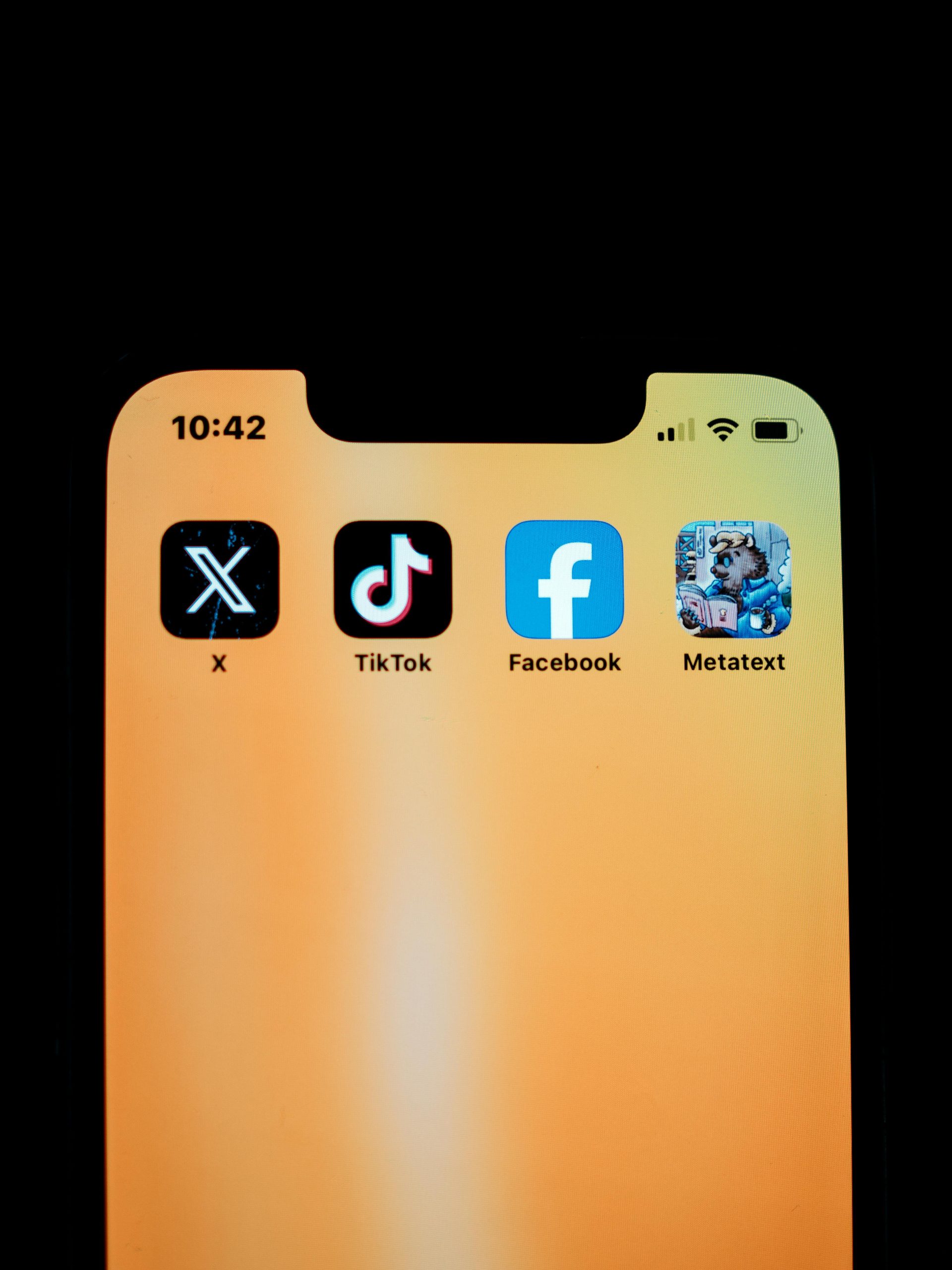
Pakistan has also targeted social media, particularly TikTok, which has been banned multiple times over concerns about “immoral content.” These bans are often lifted after negotiations with the platform but reflect ongoing tensions between cultural norms and digital freedom. (Image: Pexels)
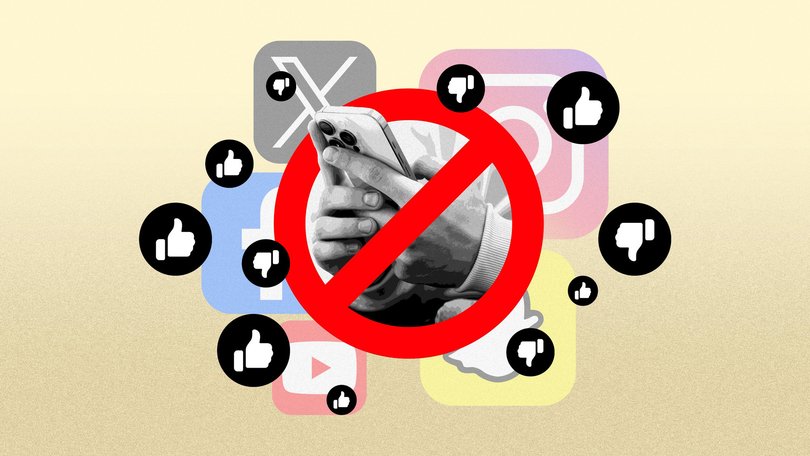
Sri Lanka blocked access to social media during political protests in 2022, citing public safety concerns. The emergency measure was intended to curb misinformation and prevent unrest from escalating. (File Photo)
Uganda introduced a “social media tax” in 2018, effectively restricting access for many users who could not afford the additional cost. While not a blanket ban, the measure significantly reduced social media usage in the country. (File Photo)
In Europe, lawmakers have debated age-based restrictions similar to Australia’s, though no blanket bans have yet been implemented. Countries such as Malaysia, Denmark, and New Zealand have also expressed interest in studying Australia’s model, suggesting that more nations may follow suit. (File Photo)
News Photogallery world Social Media Bans Around the World: Australia Sets A New Standard