 1 month ago
Last Updated:February 13, 2026, 14:16 IST
Amid CM MK Stalin's Tamil Nadu poll outreach, a look at “women-centric” cash schemes used to shape political contests across states


MK Stalin said the Rs 3,000 amount was given as an advance payment for the months of February, March and April. (PTI/AP File)
As the Tamil Nadu assembly elections near, Chief Minister MK Stalin on Friday announced that Rs 3,000 has been credited in advance to women beneficiaries under the Kalaignar Women’s Rights Scheme, along with an additional Rs 2,000 as a “summer special package".
In total, CM Stalin deposited Rs 5,000 into the bank accounts of 1.31 crore women across the state.
In a post on X, Stalin said the Rs 3,000 amount was given as an advance payment for the months of February, March and April. “For the women of Tamil Nadu, this Women’s Rights Grant is the promise given by Stalin. No matter who tries to create obstacles, I will not step back from it. Citing the elections as a reason, they are trying to block the Women’s Rights Grant for three months. But our #DravidianModel government has acted ahead of them! As an advance for the months of February, March, and April – ₹3,000, along with a summer special package of ₹2,000! A total of ₹5,000 has been credited this morning to all 1.31 crore beneficiaries of the Kalaignar Women’s Rights Scheme," the post read.
He added that under “Dravidian Model 2.0", the current Rs 1,000 monthly assistance would be doubled to ₹2,000 if voted back to power, calling it a promise to Tamil Nadu women. “With the support of #WinningTamilWomen, we will continue to win! Under #DravidianModel 2.0, we will increase the ₹1,000 Women’s Rights Grant to ₹2,000! This is the promise that Muthuvel Karunanidhi Stalin makes to my sisters! #WeWillWinTogether," the post further read.
A look at “women-centric" cash schemes used to shape political contests across states:
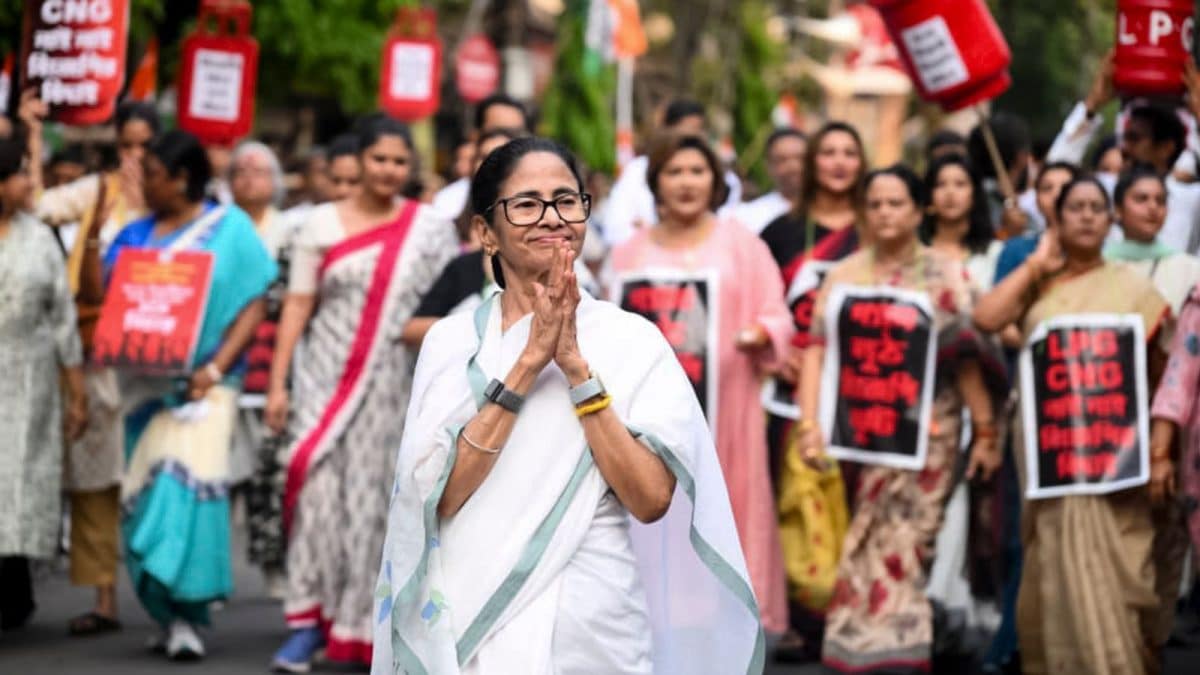
West Bengal: Lakshmir Bhandar or Lokkhi Bhandar
This is a monthly direct cash transfer scheme for women in West Bengal, originally launched in 2021 before the 2021 Assembly polls. It was consciously introduced in the run-up to that election as a major welfare promise to women voters.
Ahead of the 2026 Assembly elections, the state government announced enhanced payouts under this scheme starting from February 2026, before official poll dates were declared — seen as a pre-poll move to benefit women voters. It covers roughly 2.4+ crore women beneficiaries across West Bengal. General category women used to get ₹1,000/month and SC/ST women ₹1,200/month under the scheme.
The enhanced payout from February 2026 for general category women is Rs 1,500 a month and Rs 1,700 a month for SC/ST women. These enhanced benefits began being disbursed before the election season as part of the state’s interim budget.
Madhya Pradesh: Mukhyamantri Ladli Behna Yojana
The Bharatiya Janata Party (BJP) government launched the scheme in March 2023, eight months before the November 2023 Assembly elections.
While initially the amount was Rs 1,000/month, it was later increased to Rs 1,250/month. Over 1 crore women got direct monthly transfers to Aadhaar-linked accounts.
Impact: It helped the incumbent BJP overcome strong anti-incumbency, improve vote share, and secure a substantial majority. Analysts credited the scheme with boosting BJP seats compared to previous polls.
Maharashtra: Mukhyamantri Ladki Bahin Yojana
The BJP-led Mahayuti alliance introduced the scheme in August 2024 ahead of the 2024 Assembly elections. The government announced Rs 1,500/month to women aged 21–65. Around 2.3 crore women received this assistance before elections. It was widely seen as a key factor in the ruling coalition’s decisive win, with many political observers tying the funding directly to the high female vote turnout that favoured incumbents.
Jharkhand: Mukhyamantri Maiya Samman Yojana
The Jharkhand Mukti Morcha-led alliance launched the scheme in August 2024 ahead of the November 2024 Assembly polls. The amount was initially Rs 1,000 a month, but was later increased to Rs 2,500/month. It benefitted around 40+ lakh women. The scheme correlated with a substantial increase in the ruling alliance’s vote share compared with previous elections.
Bihar: Mukhyamantri Mahila Rozgar Yojana
The BJP and JD(U) alliance laid out the scheme in September–October 2025, directly before Assembly elections in early November. Rs 10,000 each was credited to women’s bank accounts (initial tranche), with potential additional support earmarked (up to Rs 2 lakh) later for enterprise creation. A total of 7.5 million women initially received Rs 10,000 each. Additional transfers subsequently reached 1.25 crore women in total in the weeks leading up to polling.
The statewide women turnout hit a historic high. Several analysts and opposition leaders claimed these transfers influenced voting behaviour and helped deliver a strong win for the NDA alliance in the 2025 Bihar Assembly election.
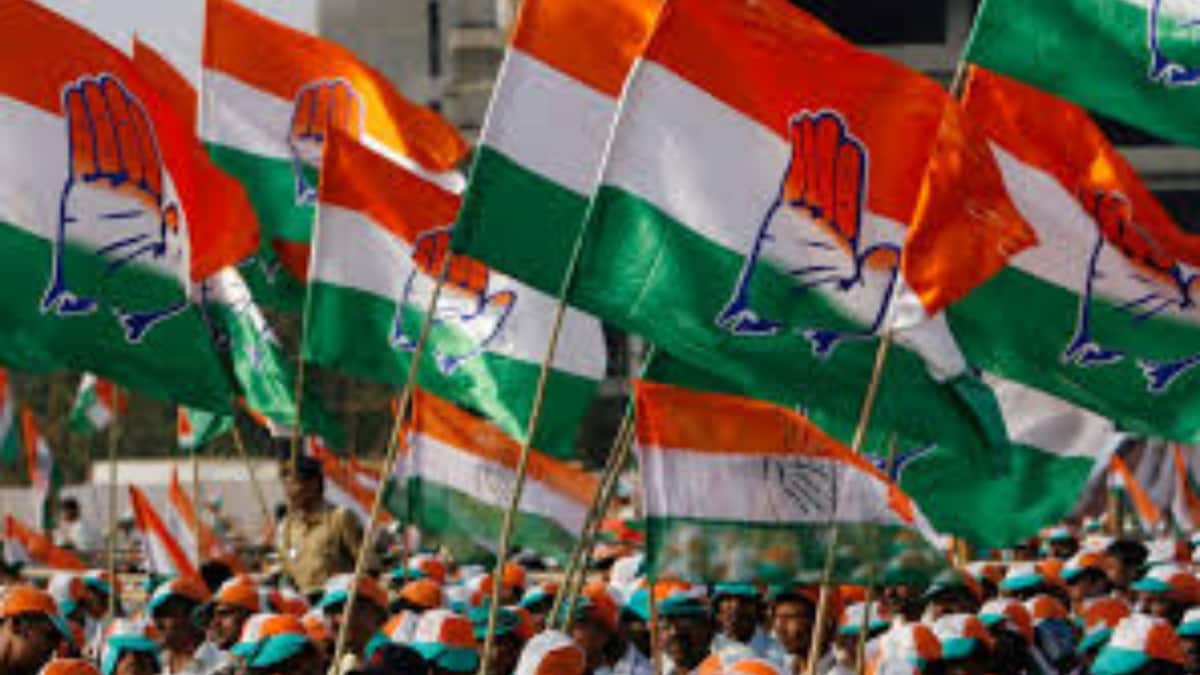
Karnataka: Gruha Lakshmi scheme
The scheme was announced and rolled out by the Congress-led Karnataka government in August 2023 as one of its five key pre-poll guarantees ahead of the May 2023 Karnataka Assembly elections — fulfilling a manifesto promise made during the campaign.
The scheme provides ₹2,000 every month to each eligible woman head of household directly into her bank account. A total of 1.1 crore women had registered early on during launch, which later went up to 1.24 crore.
As a pre-poll guarantee, the scheme was politically significant: it was one of the major social security promises that helped the Congress party highlight welfare support to women voters in 2023.
Mahtari Vandan Yojana: Chhattisgarh
The Mahtari Vandan Yojana was launched on 10 March 2024 by the Chhattisgarh government, with the first installment of cash transfers disbursed on that day.
It was a promise in the BJP’s manifesto for the 2023 Chhattisgarh Assembly elections held in November 2023, and introduced soon after the BJP took office in December 2023 under CM Vishnu Deo Sai.
The scheme provides ₹1,000 per month (equivalent to ₹12,000 per year) to each eligible woman. Payments are done through direct benefit transfer (DBT) into beneficiaries’ bank accounts. Roughly 70 lakh women in the state have been covered under the scheme from the start. These include married women aged 21 years and above, widows, divorced and destitute women who meet eligibility criteria.
The impact
Women-focused direct cash transfers have become electorally decisive blocs. They have also marked a shift from identity politics to welfare targeting women voters.
Across several states, cash transferred to women has coincided with incumbent benefits or electoral success — particularly for the BJP and allied governments in Madhya Pradesh, Maharashtra and Bihar. In Jharkhand, a non-BJP coalition also experienced vote share gains corresponding with its women-centric transfer scheme.
These schemes have become a central election strategy in Indian politics, often credited with reversing anti-incumbency or boosting turnout among female voters.
But along with the Opposition’s objections, the rapid expansion of women’s cash transfer schemes (across 15 states and growing) has also raised concerns about state finances and sustainability as welfare outlays escalate, creating a fiscal flashpoint of “rights-based entitlements" vs “unsustainable populism".
Handpicked stories, in your inbox
A newsletter with the best of our journalism
First Published:
February 13, 2026, 14:11 IST
News explainers Stalin Gives Rs 5,000 To 1.3 Crore Tamil Nadu Women: States That Saw ‘Dole For Sisters’ Before Poll
Disclaimer: Comments reflect users’ views, not News18’s. Please keep discussions respectful and constructive. Abusive, defamatory, or illegal comments will be removed. News18 may disable any comment at its discretion. By posting, you agree to our Terms of Use and Privacy Policy.
Read More