1 month ago
Last Updated:March 10, 2026, 10:32 IST
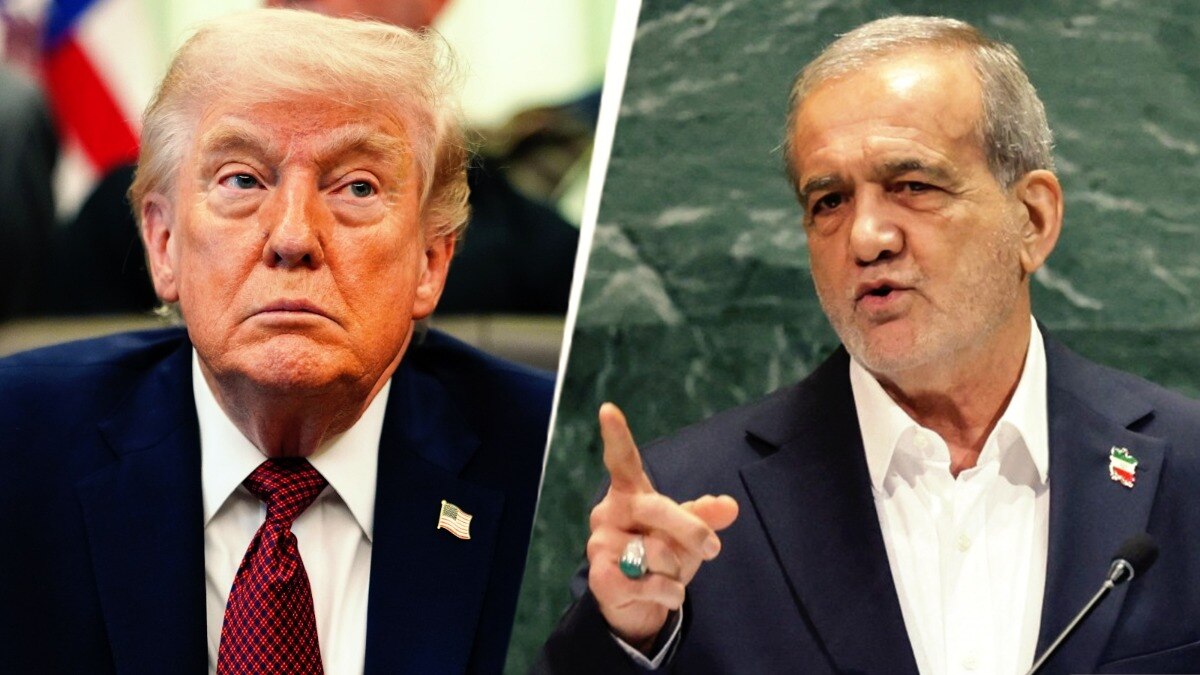
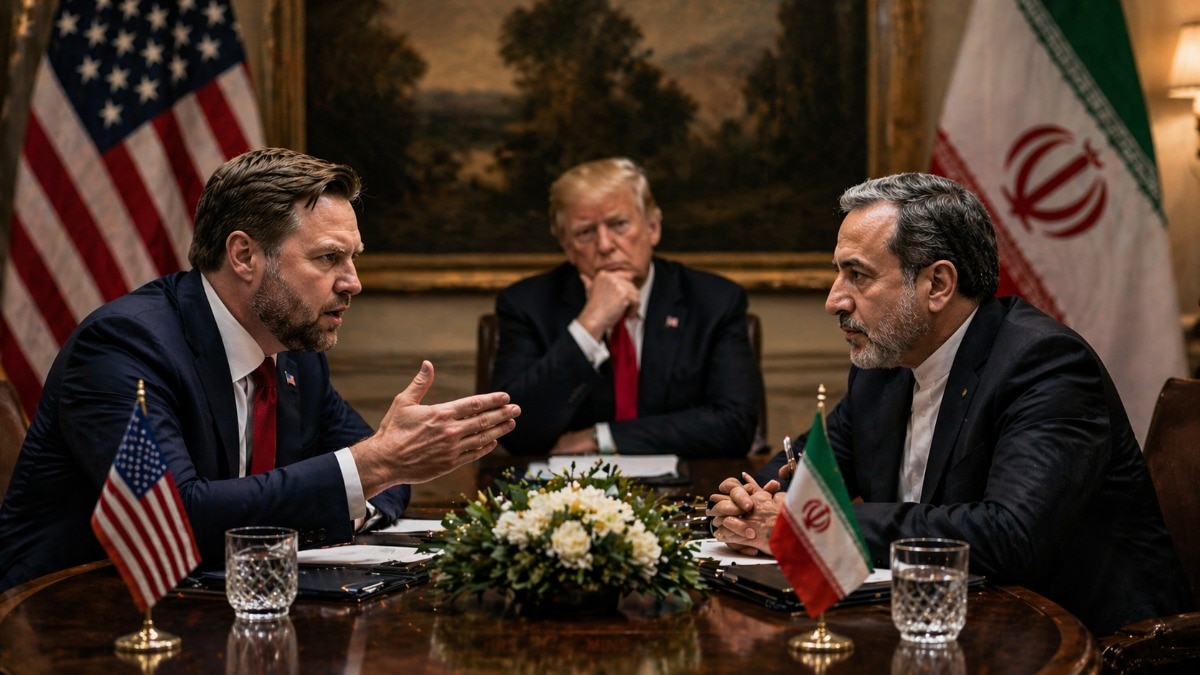
Some of Donald Trump’s advisers have urged him to outline a strategy to extract the US from the war with Iran as concerns grow about waning public support, according to a report.


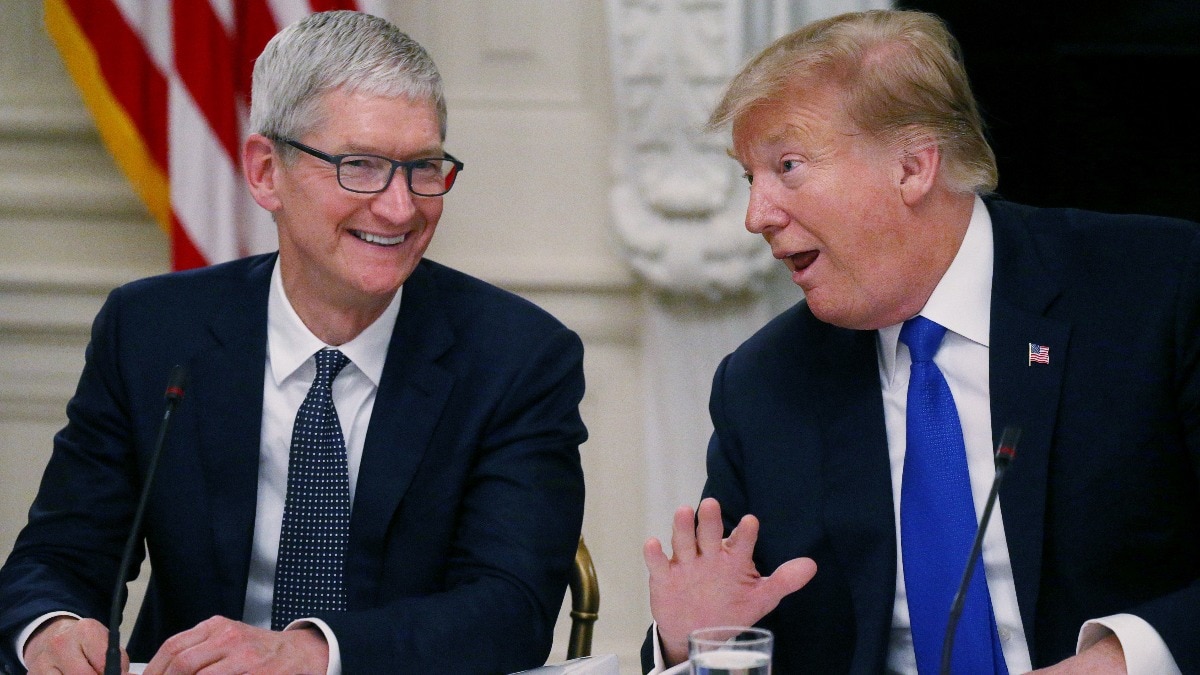
A file photo of US President Donald Trump (AFP)
Some advisers to US President Donald Trump have encouraged him in recent days to begin articulating a strategy to extract the United States from the war with Iran and argue that the military has largely achieved its objectives, according to a Wall Street Journal report citing people familiar with the matter.
The advisers believe such a plan could help the administration present the conflict as a successful operation while avoiding the risks associated with a prolonged war.
While many within Trump’s conservative political base continue to support the initial military operation against Iran, the report claims some advisers have privately raised concerns that extended fighting could gradually erode that support.
Trump has also been briefed on polling related to the war, according to the people cited in the report.
Public surveys released in recent days, as cited, indicate that most Americans oppose the conflict.
Economic worries have also added to the internal debate.
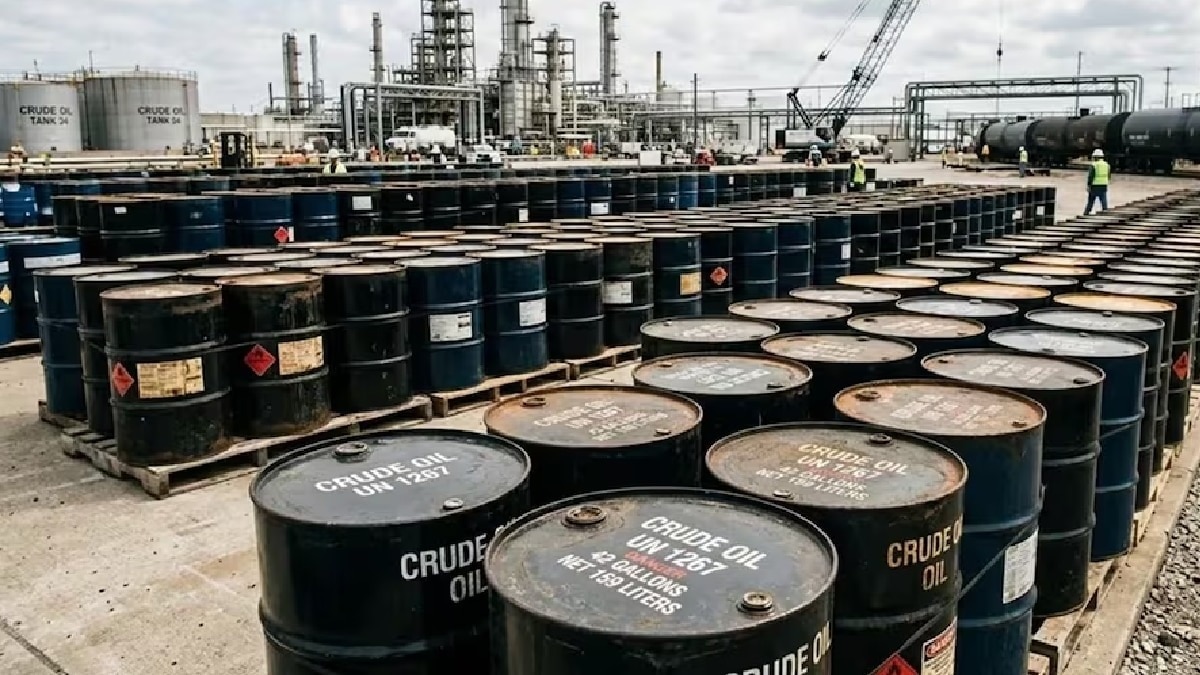
Some of Trump’s advisers watched with alarm as oil prices surged to more than $100 a barrel amid fears of disruption to global energy supplies, the report mentioned.
Republican lawmakers have also reportedly contacted the administration expressing nervousness about how the war could affect upcoming midterm elections, the report quoted people familiar with the matter.
TRUMP SAYS WAR MAY BE SHORT-LIVED
Even as advisers weigh the political and strategic costs of a prolonged conflict, Trump has publicly suggested that the war could be brief.
Speaking Monday to Republican lawmakers at his golf club near Miami, Trump described the US military action in the Middle East as a limited operation.
“We took a little excursion to the Middle East to get rid of some evil. And, I think you’ll see it’s going to be a short-term excursion," Trump said.
At the same time, the President warned that the United States would escalate its response if Iran attempted to disrupt global oil supplies.
In a social media post, Trump wrote, “If Iran does anything that stops the flow of Oil within the Strait of Hormuz, they will be hit by the United States of America twenty times harder than they have been hit thus far."
REGIONAL CONFLICT CONTINUES TO ESCALATE
Fighting across the region has continued even as discussions take place in Washington about the trajectory of the war.
Dozens of explosions were heard in Tehran in what was described as the heaviest air raid on the Iranian capital since the war began on February 28.
Israel said it carried out a “wide-scale wave of strikes" targeting Iranian sites in Tehran, the city of Isfahan and southern Iran, including infrastructure linked to the Revolutionary Guard’s drone operations.
Iran and its allies have also continued retaliatory attacks. Israel’s military repeatedly alerted its population about incoming missiles from Iran, while Iran-backed Hezbollah fired rockets into Israel from Lebanon.
The conflict has also affected global energy markets and shipping.
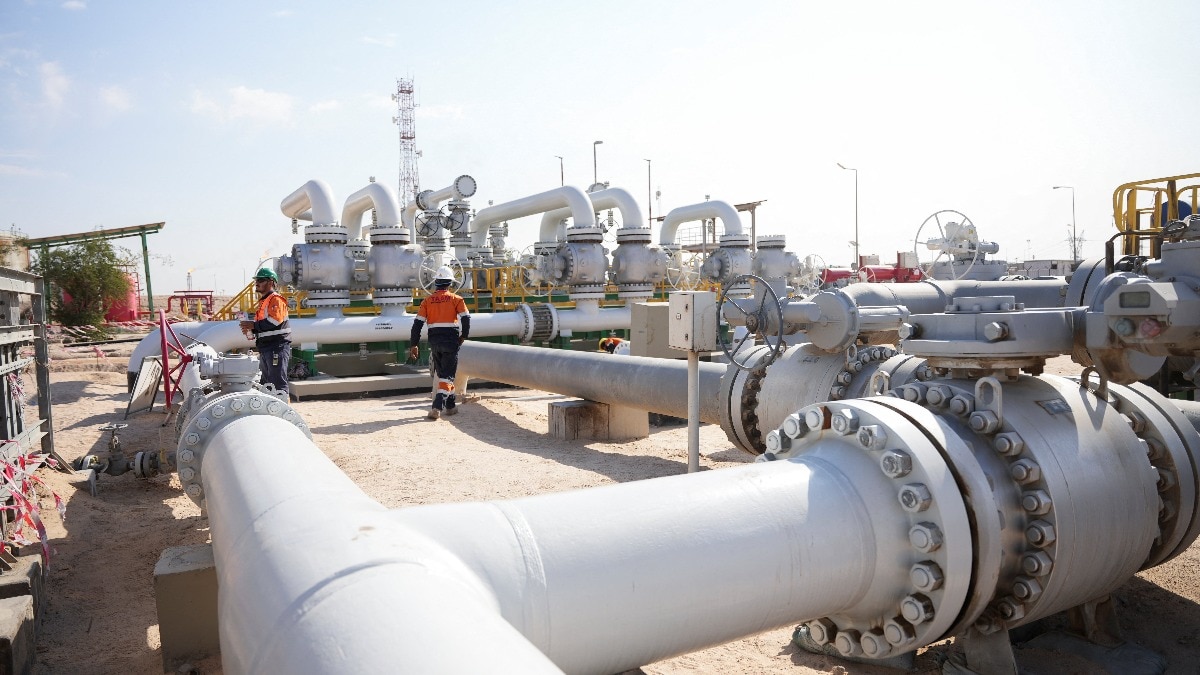
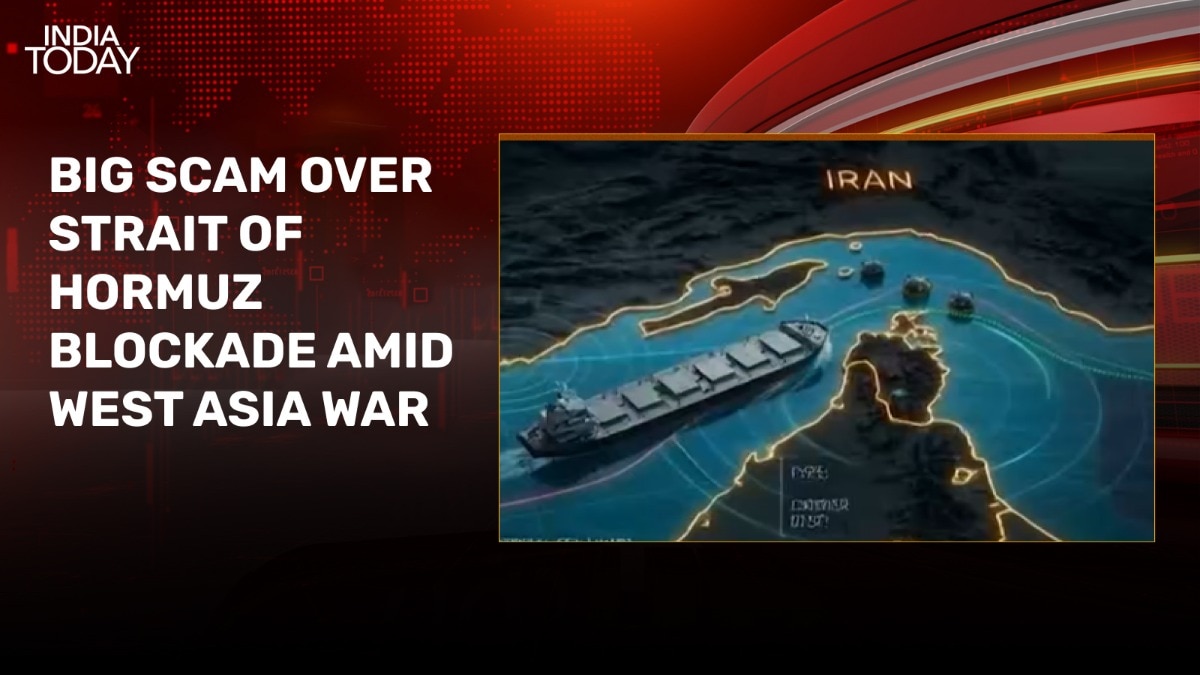
Attacks in the Strait of Hormuz have significantly disrupted tanker traffic through the crucial shipping lane, through which roughly a fifth of the world’s oil supply passes, the Associated Press reported.
Iranian drones and missiles have also targeted oil and gas infrastructure in major producing countries, contributing to sharp fluctuations in global oil prices.
IRAN SIGNALS IT IS PREPARED FOR LONG WAR
While Trump has suggested the war could be short-lived, Iranian officials have indicated they may be prepared for a prolonged conflict.
Ali Mohammad Naini, a spokesperson for Iran’s paramilitary Revolutionary Guard, said in remarks reported by Iranian state media that “Iran will determine when the war ends."
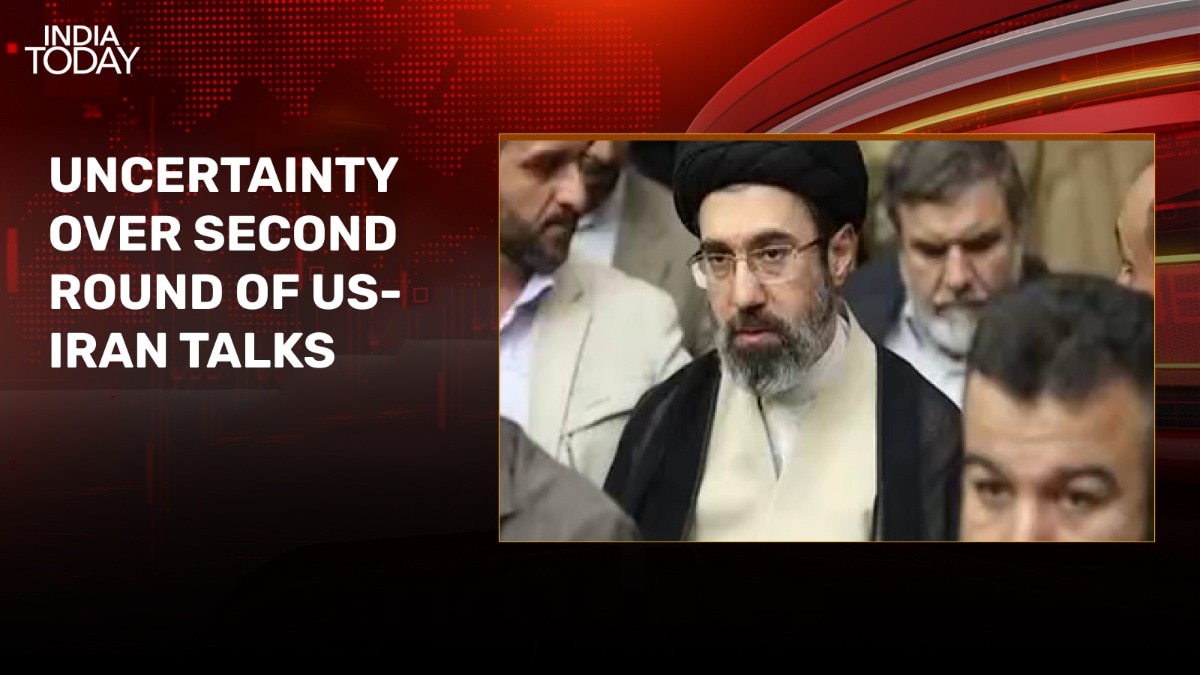
The war has also coincided with a major leadership transition in Iran after Ayatollah Mojtaba Khamenei was selected as the country’s new Supreme Leader following the death of his father, Ayatollah Ali Khamenei.
The younger Khamenei, a 56-year-old cleric with close ties to the Revolutionary Guard, now holds final authority over major policies, including Iran’s disputed nuclear program.
Meanwhile, Kamal Kharazi, a foreign policy adviser to the office of the supreme leader, told CNN that Iran sees no “room for diplomacy anymore" unless other countries intervene to stop what he described as the “aggression of Americans and Israelis against Iran."
According to officials cited by the Associated Press, the war has already killed more than 1,200 people in Iran, hundreds in Lebanon and several in Israel, while seven US service members have also died.
First Published:
March 10, 2026, 10:32 IST
News world Trump Advisers Urge Exit Plan From Iran War Amid Fears Of Political Backlash: Report
Disclaimer: Comments reflect users’ views, not News18’s. Please keep discussions respectful and constructive. Abusive, defamatory, or illegal comments will be removed. News18 may disable any comment at its discretion. By posting, you agree to our Terms of Use and Privacy Policy.
Read More