1 month ago
Last Updated:March 04, 2026, 17:29 IST
How long can Israel sustain Iran war based on current military, economic, and political factors? What about Gaza and Lebanon wars? News18 explains


Israeli Prime Minister Benjamin Netanyahu. (AFP File)
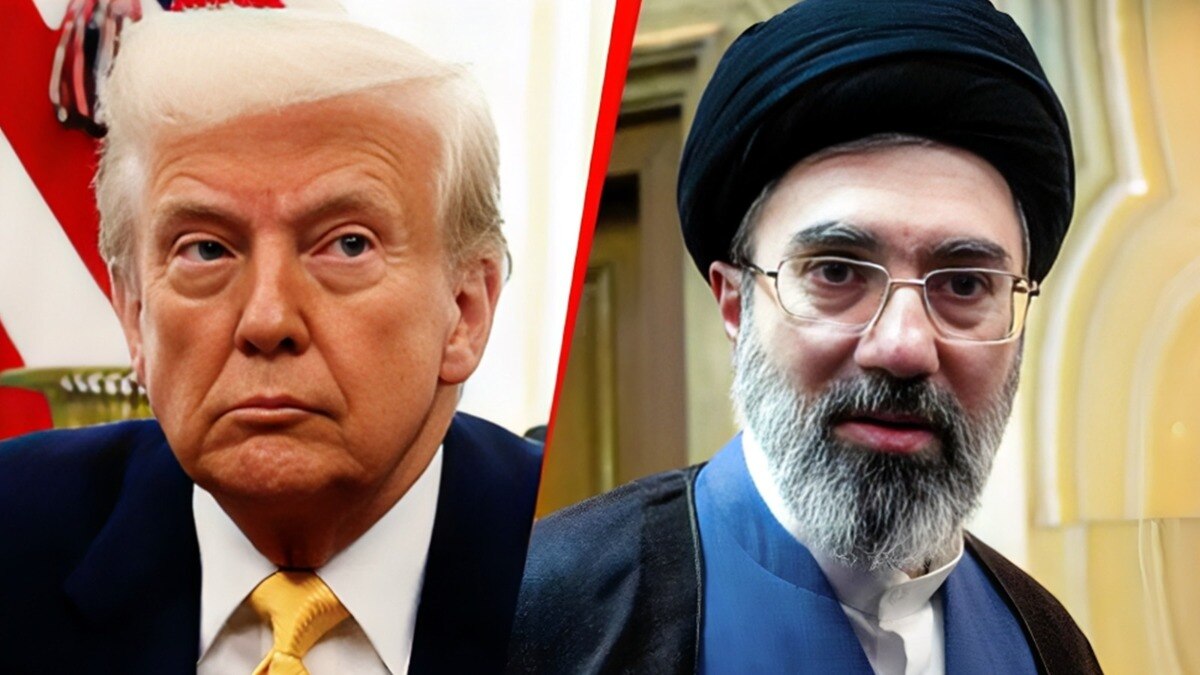
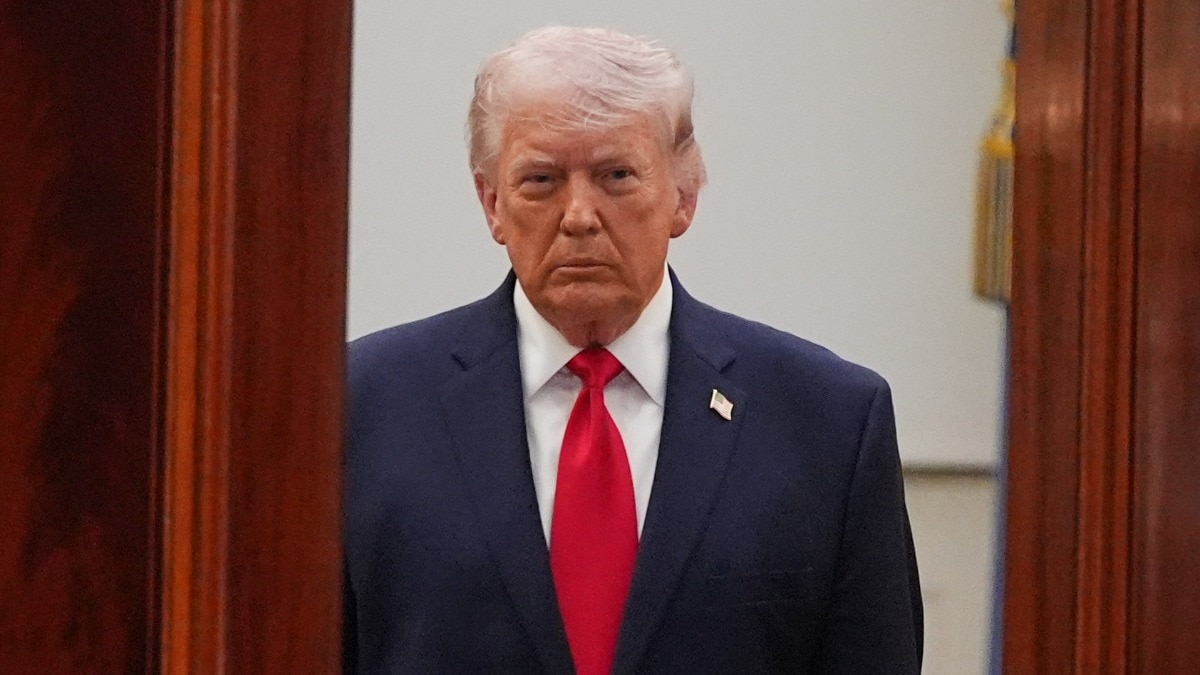
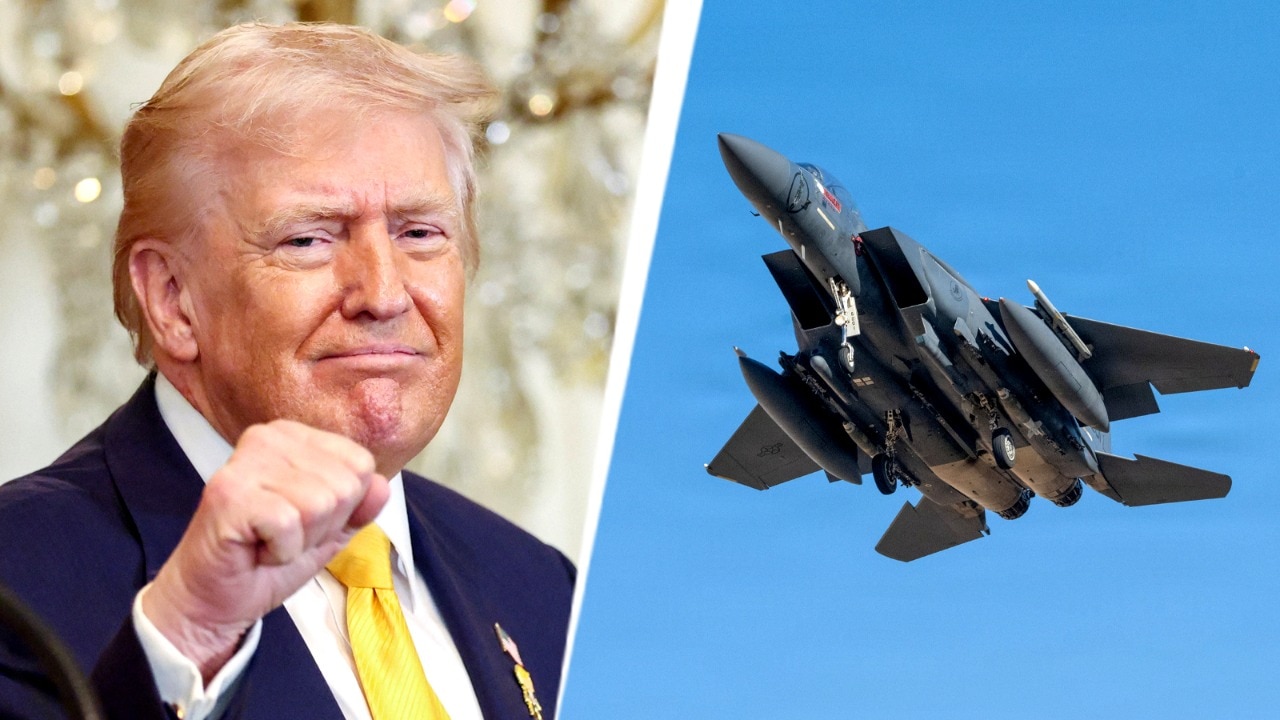
United States President Donald Trump, in a series of social media posts on March 3, asserted that the United States has a “virtually unlimited supply" of munitions to sustain its military operations against Iran. But can Israel continue with “the war" for that long?
Following a period of relative quiet in 2025 after Gaza conflict, Israel is currently engaged in a high-intensity military campaign alongside the United States, targeting Iran directly with the explicit goal of regime change.
How long can Israel sustain this level of conflict based on current military, economic, and political factors? News18 explains.
THREE KEY FACTORS
1. Military Sustainability
The Israeli Defense Forces (IDF) have transitioned from a massive call-up of reserves to a more specialized, sustainable model, news reports suggest.
At the peak of the Gaza war, Israel activated 300,000 reservists. For 2026, the military has capped the number of active reservists at any given time to 40,000–60,000.
In 2026, the standard reserve duty has been reduced to 55–60 days per year (down from several months in 2024–2025). This move is designed to prevent “burnout" and allow the civilian economy to function.
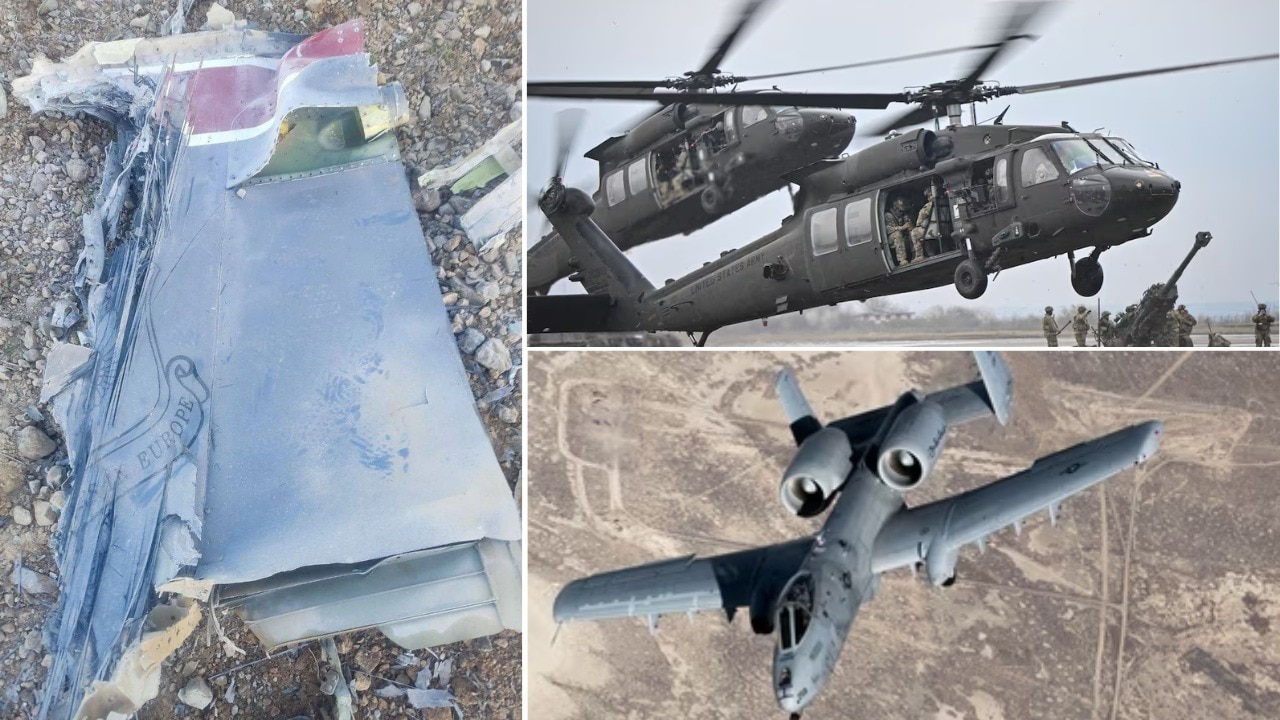
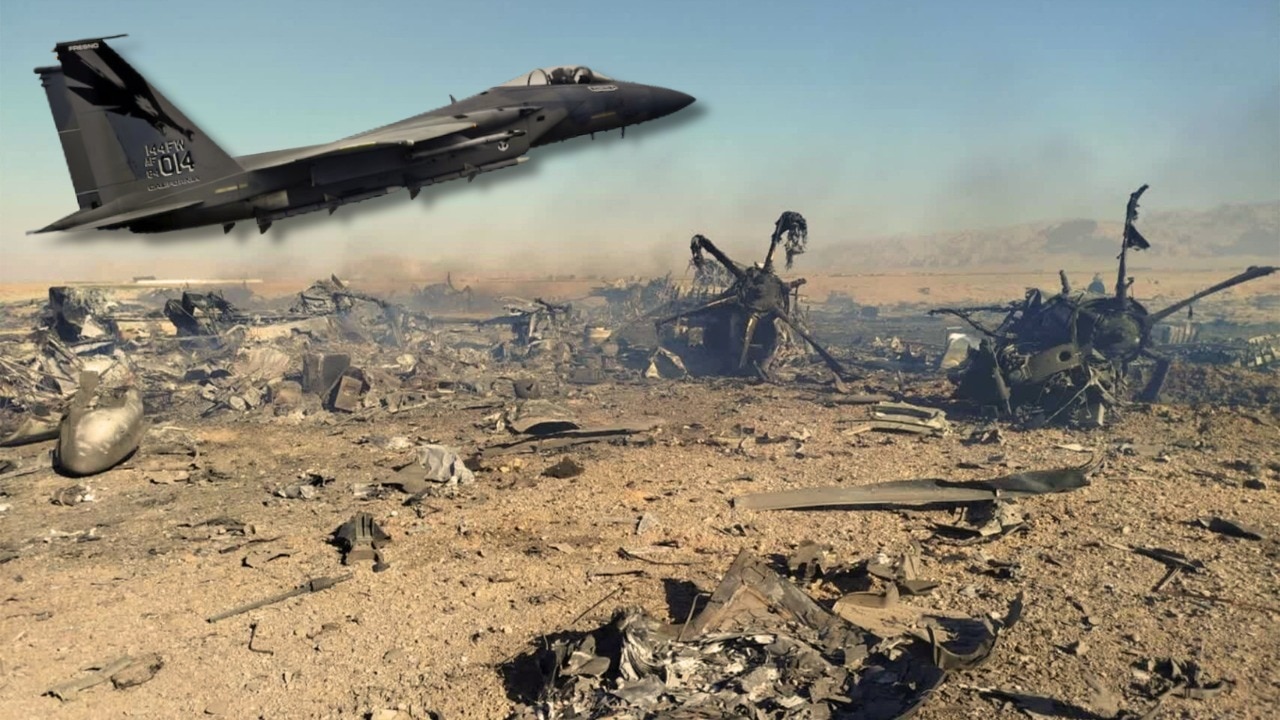
While Israel has “air supremacy" in the current strikes on Iran, replenishing high-tech “surprise box" munitions is a bottleneck. Military analysts suggest Israel could sustain the current intensity for roughly 4 to 8 weeks before needing a significant pause to restock advanced assets.
2. Economic Constraints
Israel’s economy has shown resilience, but the “War of Redemption" (as the government now calls it) is placing a heavy burden on the state.
The national debt reached 69% of GDP by late 2024 and remains elevated.
Paradoxically, the economy grew by 3.1% in 2025, driven by massive defense spending and a recovery in the tech sector. However, the current March 2026 offensive against Iran has already cost an additional 15–25 billion NIS.
To fund the war, the government increased the Value Added Tax (VAT) to 18%. Economists warn that while Israel can afford a “short, sharp" war with Iran, a multi-year direct conflict would risk a severe credit downgrade.
3. Political and Pressure
President Donald Trump’s return to office has provided Israel with significant military and diplomatic cover for the current campaign against Iran. Trump has publicly suggested the offensive could last another four weeks to achieve its objectives.
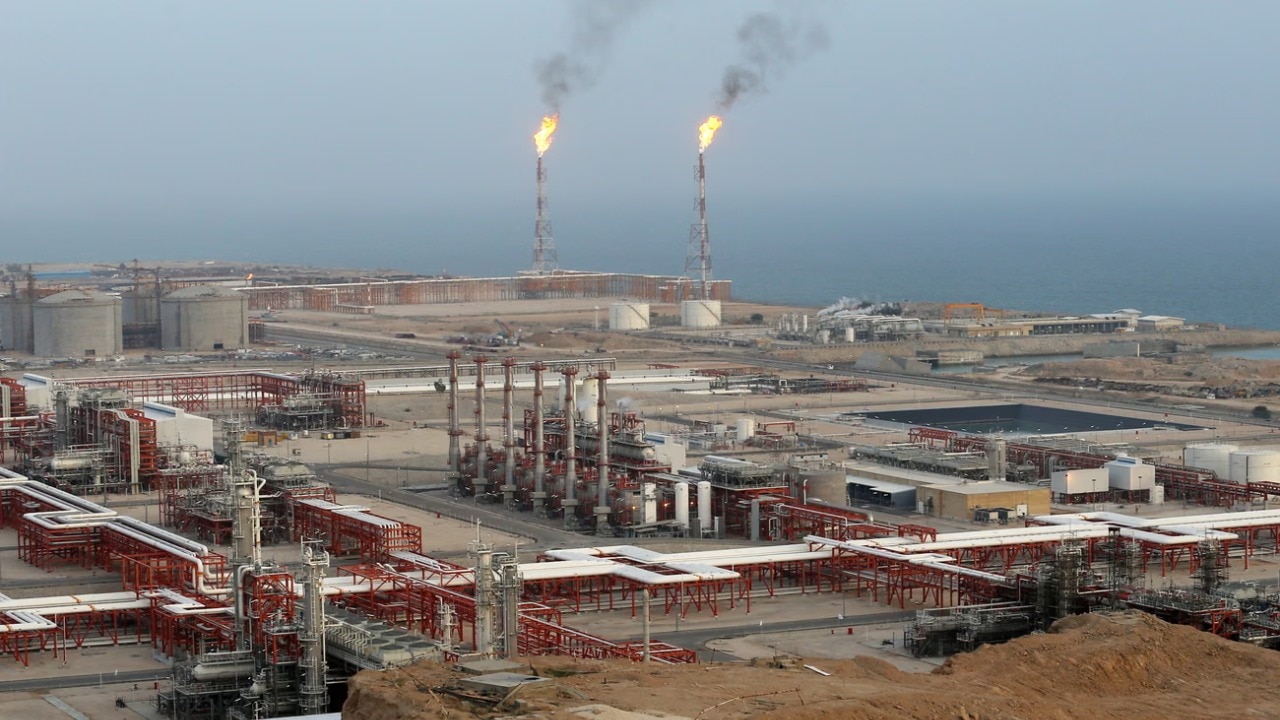
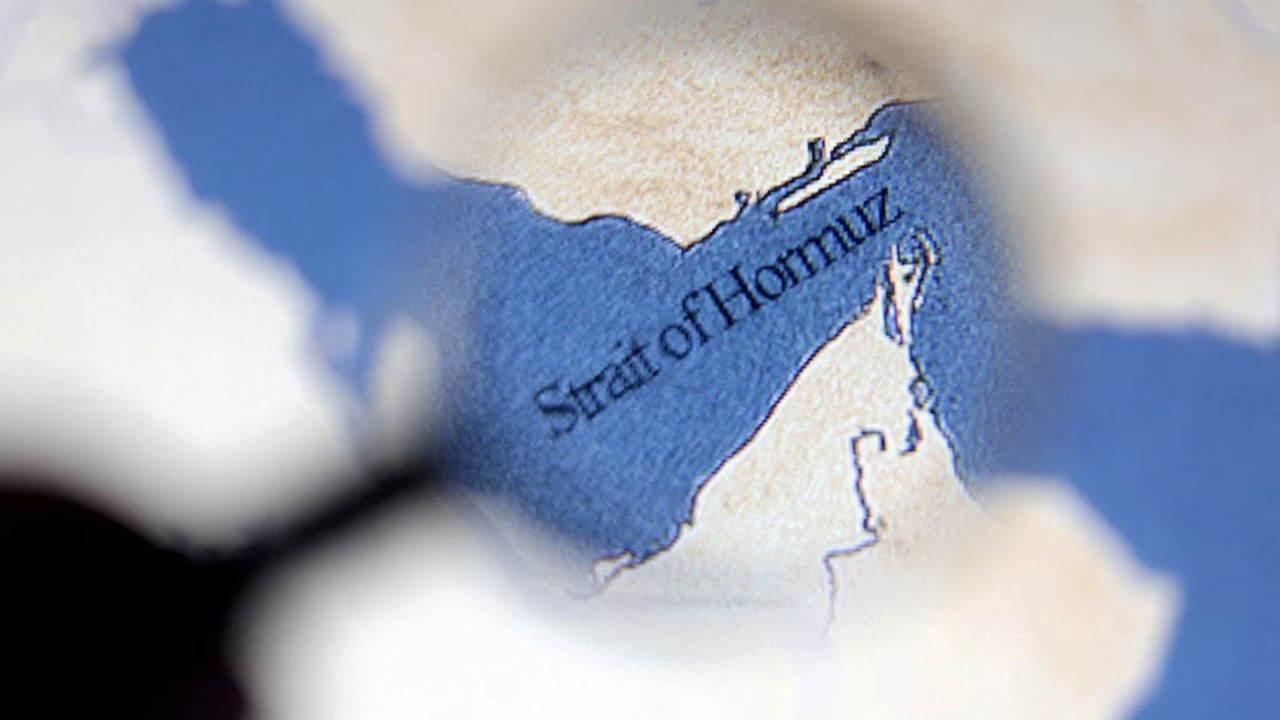
The duration is increasingly tied to the stability of the region. As Iran strikes back at Gulf neighbors (UAE, Saudi Arabia) and blocks the Strait of Hormuz, global energy prices have soared. pressure to end the war will likely peak if global oil and gas supplies remain choked for more than a month
Is ISRAEL STILL FIGHTING GAZA WAR?
Israel is currently 2 years and 5 months into the broader conflict that began on October 7, 2023.
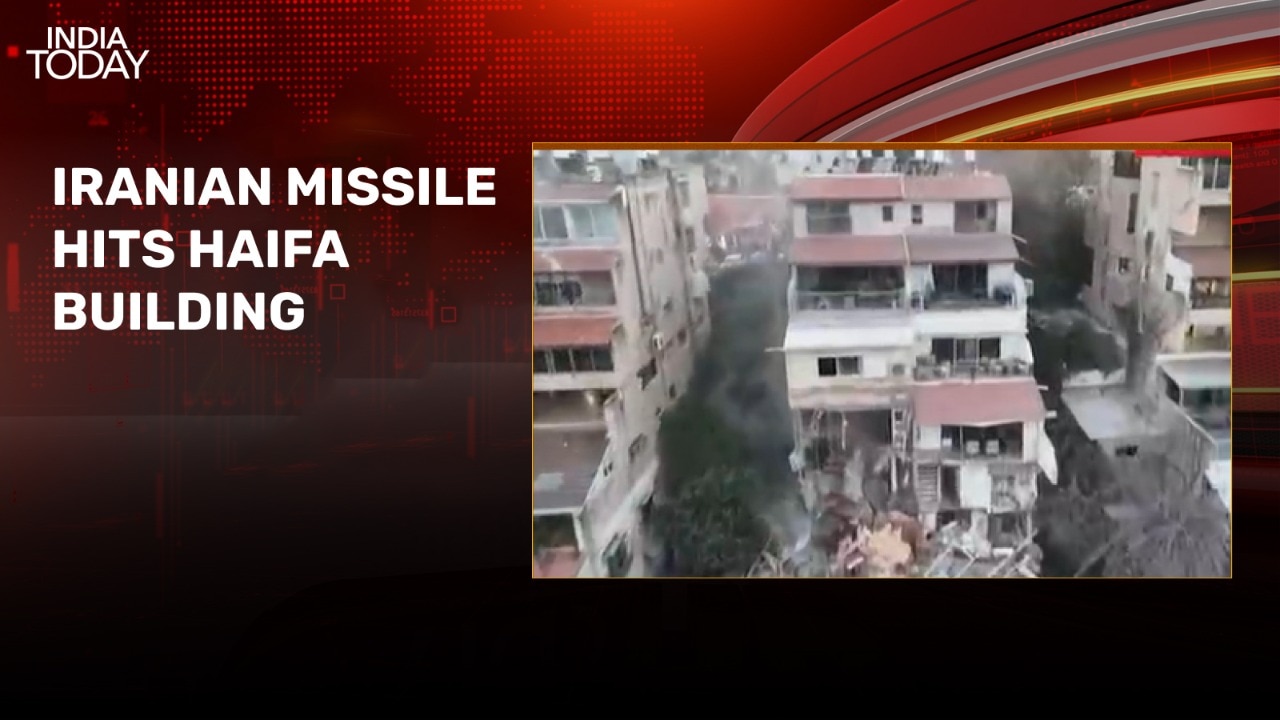
While Gaza remains a conflict zone, it is no longer the primary front for the IDF, which is now engaged in a direct high-intensity war with Iran (Operation Roaring Lion). Most of Israel’s elite divisions have been moved from Gaza to the northern border with Lebanon (to counter Hezbollah) and to provide air defense against Iranian ballistic missile waves. A “Special Home Front Situation" is currently in effect for all of Israel, as Iranian missiles have struck Tel Aviv and Ashkelon in the last 48 hours.
The IDF maintains a permanent military presence in Gaza, behind what is now called the “Yellow Line." Approximately 117 UNRWA facilities and several humanitarian zones are located within Israeli-militarized sectors where access is strictly controlled by the IDF.
A formal ceasefire was established in October 2025; however, it is extremely fragile. Since that ceasefire began, nearly 500 Palestinians have been killed in sporadic flare-ups and “mop-up" operations.
As of March 2, 2026, Israel has renewed a “chokehold" on supplies entering the strip. All major crossing points were closed following the start of the war with Iran on February 28, though some have reportedly begun to reopen for limited aid.
There is ongoing discussion regarding the “Gaza 2026: Board of Peace," a Transitional Committee intended to manage civilian life, though the current regional war has frozen most political progress on this front.
The war in Gaza has effectively become a “frozen conflict" that Israel manages with a smaller force, while the bulk of its national resources is now directed at the direct confrontation with Iran.
WHAT IS HAPPENING TO LEBANON?
Israel has moved from “border skirmishes" to a limited ground invasion as of yesterday, March 3, 2026.
The IDF has authorised troops to advance beyond the initial five positions held since 2024 to seize “dominant terrain." The goal is to push Hezbollah forces back so they cannot use anti-tank missiles on Israeli border towns.
The Israeli Air Force (IAF) is conducting near-daily strikes on the Dahiya district and Hezbollah-linked media outlets like Al-Manar.
Israel has issued warnings to the Lebanese government: if the Lebanese Army does not disarm Hezbollah, Israel will begin striking national infrastructure (power grids, bridges, etc.).
HOW DO ISRAELIS FEEL? FROM FOREIGN MEDIA REPORTS
The sentiment among Israelis is a mix of high-stakes adrenaline, exhaustion, and “pre-emptive" relief. The country is currently in the middle of a massive regional war (Operation Roaring Lion) following the strikes on Iran that began on February 28, reported Al-Jazeera.
The mood in Israel is currently dominated by the “Special Home Front Situation" declared after Iranian retaliatory strikes hit Tel Aviv and other major cities.
Many Israelis view the current offensive against Iran as the inevitable “end of the beginning." There is a strong sense that after 2.5 years of proxy wars with Hamas and Hezbollah, a direct hit on the “head of the snake" (Iran) is the only way to ever go back to normal life.
There is overwhelming local pressure from displaced residents of northern Israel to “finish the job" in Lebanon. Many say they will not return to their homes unless the IDF creates a permanent, deep buffer zone that prevents any direct fire.
A vocal minority and many reservists are expressing deep fatigue. After 29 months of intermittent service, there is cynicism about whether Prime Minister Netanyahu is pursuing “total victory" to secure his own political survival ahead of the 2026 elections.
Ben Gurion Airport is currently closed to commercial flights. Most Israelis are living between work and bomb shelters, relying on the Home Front Command app for real-time alerts.
With Agencies inputs
First Published:
March 04, 2026, 16:47 IST
News explainers Trump Has Unlimited Munitions But How Long Can Israel Sustain Iran War Amid Gaza, Lebanon Conflicts?
Disclaimer: Comments reflect users’ views, not News18’s. Please keep discussions respectful and constructive. Abusive, defamatory, or illegal comments will be removed. News18 may disable any comment at its discretion. By posting, you agree to our Terms of Use and Privacy Policy.
Read More