1 month ago
Last Updated:March 09, 2026, 09:48 IST
Recent economic indicators, including job losses, rising gasoline prices & market volatility are raising concerns that the war could undermine the economic narrative ahead of polls


February’s labour report showed 92,000 jobs lost, while gasoline prices have jumped 19 per cent in a month. (AI-Generated Image)
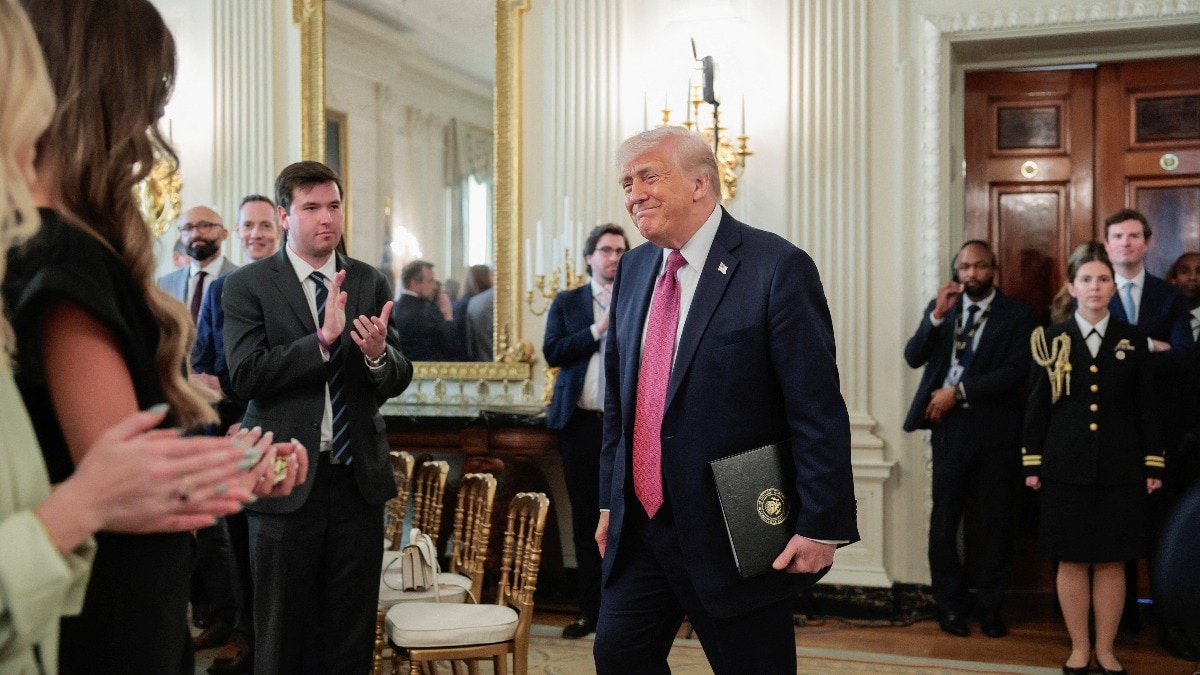
When United States President Donald Trump delivered his State of the Union address, he confidently told the country: “The roaring economy is roaring like never before". However, less than two weeks later, the escalating conflict involving Iran is beginning to collide with Trump’s core political promise—delivering a strong economy and lower living costs for Americans.
Recent economic indicators, including job losses, rising gasoline prices and market volatility, are raising concerns that the war could undermine the administration’s economic narrative ahead of key elections.
A Slowing ‘Roaring Economy’
An analysis by Associated Press reported that Trump’s claim of a “roaring economy" is facing an early test in 2026 as new economic data shows job losses, rising fuel prices and falling stock markets. February’s labour report showed 92,000 jobs lost, while the Dow Jones Industrial Average has slipped about 5 per cent after earlier highs, signalling growing uncertainty in financial markets.
Gasoline prices have jumped 19 per cent in a month, driven partly by rising oil prices linked to the conflict in Iran. Oil has climbed above $100 per barrel, fuelling concerns that inflation could rise again after a period of easing.
Economists warn that these developments complicate the administration’s messaging that inflation and affordability are under control.
The Iran War Factor
The biggest economic channel through which the conflict affects the United States is energy prices.
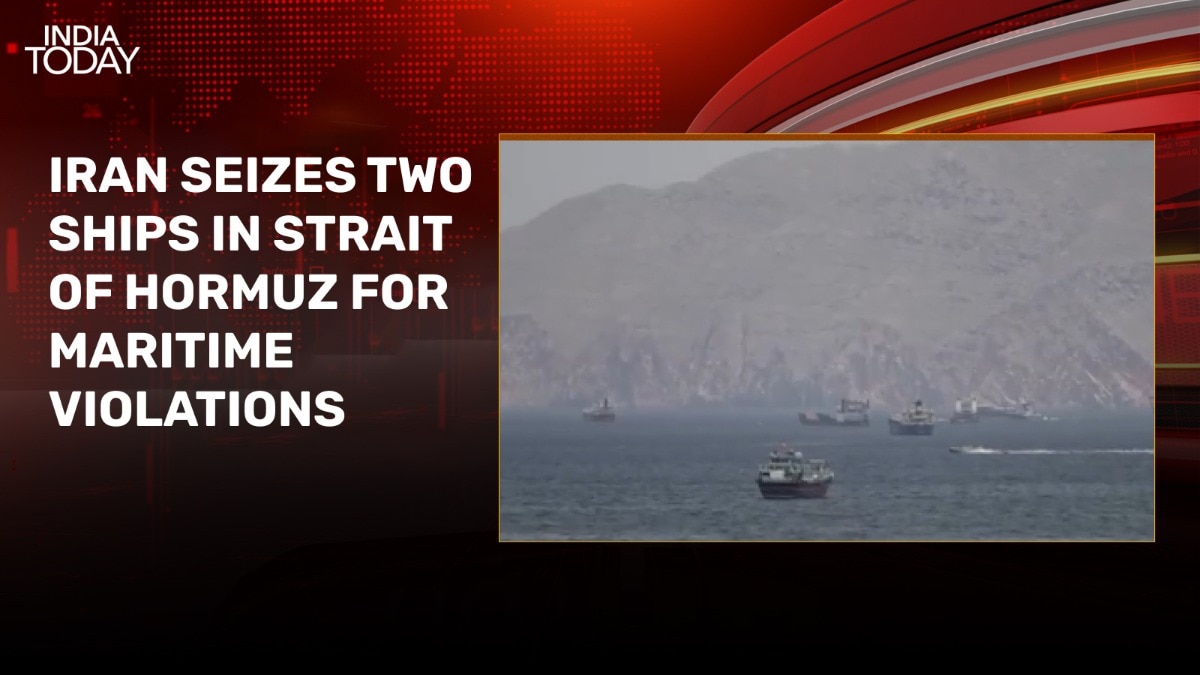
The war with Iran has disrupted energy flows through the Strait of Hormuz—a critical maritime route that carries roughly 20 per cent of the world’s oil supply. Shipping disruptions and security concerns in the region have pushed oil prices sharply higher.
Analysts speaking to PBS say sustained oil prices above $100 could trigger another inflation spike by raising transportation, manufacturing and food costs. A prolonged disruption could also slow economic growth globally.
In the US, gasoline prices have already climbed significantly, becoming one of the most visible economic effects for voters.
Rising Gas Prices = Political Risk?
Energy prices are politically sensitive in the United States because they directly affect household budgets.
According to The Wall Street Journal, gasoline prices have jumped by roughly 50 cents per gallon since the start of the conflict, fuelling voter frustration about the cost of living.
The administration has acknowledged the pressure but expects the spike to be temporary. Officials speaking to The Guardian say market stabilisation efforts, including coordination with oil companies and restoring tanker traffic, could eventually ease prices. Trump himself has played down the issue, saying the military campaign takes priority over temporary fuel price increases and suggesting prices will fall once the conflict ends, Reuters reported.
However, political analysts warn that sustained increases could affect voter sentiment, especially with midterm elections approaching.
Beyond Energy
Beyond energy prices, economists say the conflict is amplifying existing weaknesses in the US economy.
According to analysis discussed on PBS NewsHour, recent data shows slowing hiring and declining job numbers, suggesting the labour market may already be weakening before the war’s full impact is felt. Rising geopolitical uncertainty can also lead companies to delay investments and hiring decisions. Economists note that higher energy costs can reduce consumer purchasing power and increase business expenses.
Financial markets have also reacted to the uncertainty, with stock indices slipping as investors assess the potential economic fallout.
Ripple Effect
The economic consequences are not limited to the United States.
The Iran conflict has disrupted energy infrastructure, shipping routes and regional production, causing volatility in oil and gas markets worldwide. Analysts speaking to The Guardian warn that prolonged disruptions could slow global growth and increase inflation across major economies.
Because energy prices influence everything from transportation to food production, a sustained oil shock could ripple through global supply chains.
The Political Fallout
The economic implications of the Iran conflict come at a sensitive political moment.
Trump has repeatedly framed his presidency around strong economic performance and lower inflation. Rising energy prices, slowing job growth and market volatility could challenge that narrative.
With US midterm elections approaching, analysts say economic concerns—particularly fuel prices and affordability—are likely to shape voter perceptions of the administration’s handling of both the economy and the war.
Location :
United States of America (USA)
First Published:
March 09, 2026, 09:48 IST
News explainers Trump's 'Roaring Economy' Promise Meets Reality As Iran War Lifts Oil And Gas Prices | Explained
Disclaimer: Comments reflect users’ views, not News18’s. Please keep discussions respectful and constructive. Abusive, defamatory, or illegal comments will be removed. News18 may disable any comment at its discretion. By posting, you agree to our Terms of Use and Privacy Policy.
Read More