1 month ago
The United States and Iran paused attacks for a second day as mediators tried to revive an interim ceasefire deal. The respite has opened diplomatic space, but disputes over shipping lanes and Iran's nuclear programme remain unresolved.

Stock photo used for illustration

Cairo,UPDATED: Jul 26, 2026 22:06 IST
The United States and Iran paused their attacks for a second straight day on Sunday as efforts continued to bring both sides back to negotiations on an interim ceasefire deal that has been badly strained by recent exchanges of fire. The pause came after a nearly two-week escalation that began with Iran firing at ships trying to pass through the Strait of Hormuz.
The halt in strikes came as mediators tried to keep talks alive during the 60-day period set when the interim deal was signed in mid-June. That window is now well into its second half, but major issues that were meant to be discussed, especially Iran's nuclear programme, remain unresolved.
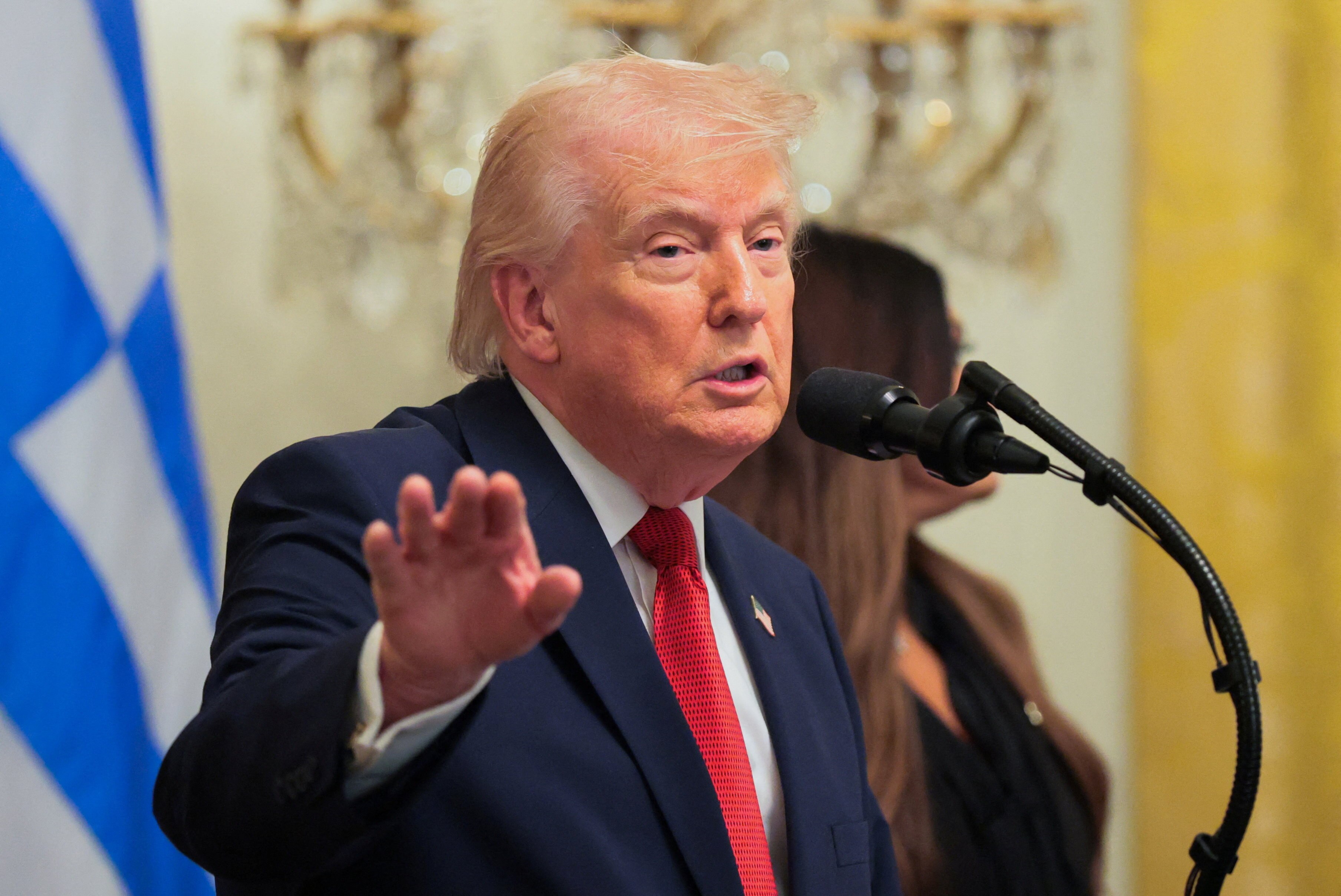
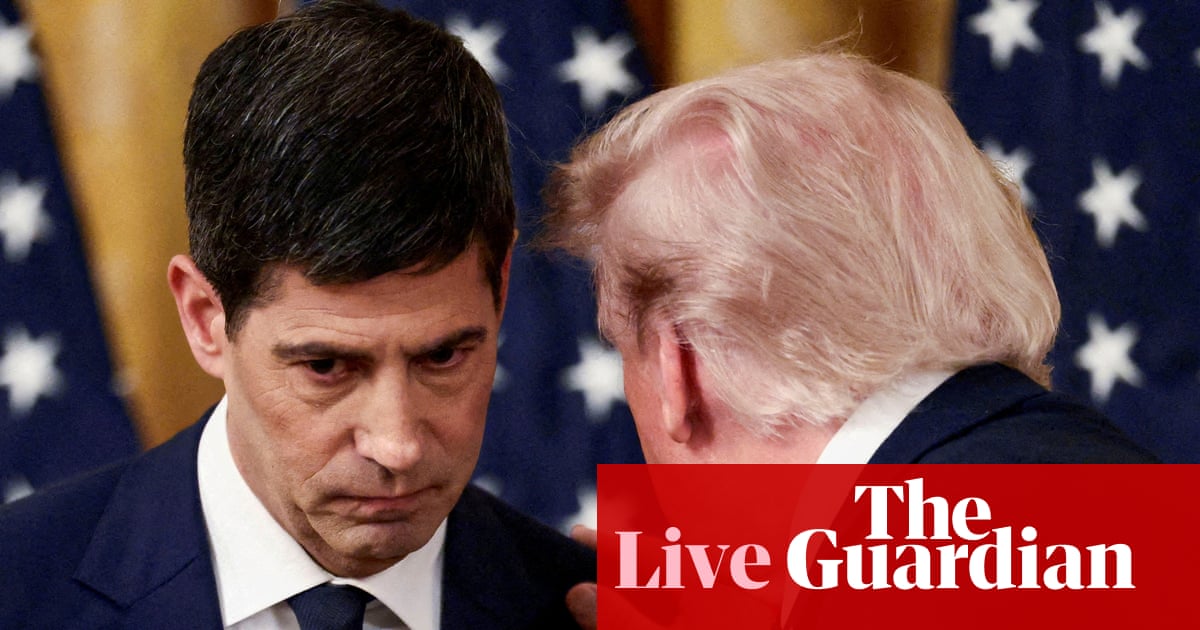
It was not clear why the US paused its attacks after targeting Iranian coastal areas and infrastructure. The Pentagon did not immediately respond to questions on Sunday. White House communications director Steven Cheung said, "President Donald Trump has always been consistent in saying he prefers a diplomatic solution, but he continues to retain all options if Iran continues terrorist activities in the Strait of Hormuz or against allies." He added, "It would be wise for Iran to work toward a negotiated deal. Otherwise, they know what will happen." Iran's army spokesperson told state television that since the US had halted attacks for the past two nights, Iran had done the same. Tehran has in recent days counterattacked against countries in the region hosting US military forces, killing at least three at a base in Jordan.
A regional official involved in mediation efforts said diplomacy was under way and that the pause in US and Iranian strikes was a "positive signal that helps their efforts to de-escalate". The official, who was not authorised to speak publicly and spoke on condition of anonymity, said both countries wanted to return to the interim ceasefire deal. The compromise being negotiated, the official said, centres on Iran managing vessel transit through the Strait of Hormuz with fewer restrictions on ships.
Concerns remained over shipping through the Strait of Hormuz and the Bab al-Mandeb strait leading to the Red Sea. Iranian-backed Houthi rebels in Yemen last week threatened a blockade of Saudi shipping there. Global energy supplies and the wider economy also remained under pressure as petrol prices rose again.
Iran said on Sunday that it was continuing talks with Oman on managing the safe passage of ships through the Strait of Hormuz, which lies between the two countries. Foreign Ministry spokesperson Esmail Baghaei said the talks had made progress and were continuing. He also said the status of the strait remained unchanged. Tehran has said the interim deal with the US allows it to manage shipping there for now, and it has objected to US efforts to back a route through the strait that passes close to Oman. The US military said on Saturday that its recently reimposed naval blockade against Iran was continuing, with 12 commercial ships redirected, two disabled and two boarded. It said US forces "remain highly vigilant, focused, lethal, and ready".
Meanwhile, Israeli Prime Minister Benjamin Netanyahu is due to travel to the United States and meet Trump in Washington on Tuesday, his office said. The two last met in Washington in February, weeks before the war with Iran. Two days after that war began, the Iranian-backed Hezbollah fired at Israel, and Israel responded with air strikes and ground forces in southern Lebanon. Since then, the US has supported direct talks between Lebanon and Israel aimed at calming that front and finding a way to disarm Hezbollah.
Netanyahu told Fox News on Sunday that he "fully" backs Trump's efforts to weaken Iran and push it to end its nuclear programme, adding, "If he can do so without returning to intense military fighting, that's fine. Why not?" He said he would not present new information to "our good friend" Trump and would instead listen to "what he has in mind, because I think in many ways, it's his decision". But Netanyahu warned that if Iran again attacks Israel, directly or through armed proxies, "it will make a terrible mistake." Overall, the pause in attacks offered some room for diplomacy, but key disputes over Iran's nuclear programme and shipping through the region's waterways remain unresolved.
With PTI Inputs
- Ends
Published By:
India Today Web Desk
Published On:
Jul 26, 2026 22:06 IST