3 weeks ago
The United States and Iran signed a memorandum of understanding after Pakistan-mediated talks in Islamabad. The agreement capped months of formal and back-channel diplomacy aimed at easing a widening West Asia conflict.
Stock photo used for illustration

Dubai,UPDATED: Jun 19, 2026 15:46 IST
As an agreement between the United States and Iran aimed at restoring peace in West Asia comes into effect, a range of leaders and negotiators from Washington, Tehran and Islamabad shaped the diplomacy that led to it. US President Donald Trump and Iranian President Masoud Pezeshkian signed the memorandum of understanding, while Pakistan played the role of mediator through the talks.
The effort brought together formal negotiators, back-channel envoys and senior political leaders. It also involved key figures on all sides as the conflict stretched into its fourth month, with Pakistan hosting crucial rounds of talks in Islamabad and helping carry the process through to its final stages.
Trump, who has made presenting himself as a peacemaker a major part of his second-term foreign policy, drove the push for a deal with Iran and cast it as a signature achievement of his second term. US Vice President J D Vance was a key figure in the administration's war cabinet and helped shape Washington's negotiating position. He was closely involved in discussions over the 14-point memorandum of understanding that became the basis of the deal, and led the US delegation during marathon talks with Iran in Islamabad in early April, though both sides did not reach an agreement then.
Steve Witkoff, Trump's special envoy and point man for West Asia, led the American negotiating team in back-channel talks with Iranian interlocutors. He played a central role in working out the framework deal and worked closely with Pakistani mediators to narrow differences between the two sides. Jared Kushner, Trump's son-in-law and a former senior White House adviser, was also part of the broader American effort in an informal role, using his West Asia contacts from Trump's first term to help the negotiations along with Witkoff and Vance.
On the Iranian side, Mojtaba Khamenei, who succeeded his father as Iran's supreme leader, played a decisive but largely behind-the-scenes part in the peace talks. He backed direct negotiations with the US and approved the memorandum of understanding, despite reservations, after receiving assurances that Iran's national interests and regional allies would be protected. Pezeshkian emerged as the public face of Tehran's diplomatic push, guiding the negotiations through Iran's Supreme Security Council and securing support from the country's top leadership before signing the memorandum with the US.
Ali Larijani, the secretary of the powerful Supreme Security Council, was the de facto leader of Iran after the assassination of Supreme Leader Ayatollah Ali Khamenei on February 28 until his own killing in mid-March in US-Israeli strikes. Foreign Minister Abbas Araghchi became one of Iran's most influential foreign policy voices during the conflict with the US. He played a key role in managing Iran's ties with global powers, neighbouring countries and international institutions, and was Iran's main representative in discussions with Pakistan's mediating team. Parliament Speaker Mohammad Bagher Ghalibaf, seen as a hardliner, was also a key figure and served as Iran's chief negotiator in the first direct talks with the US in decades, held in Islamabad in early April.
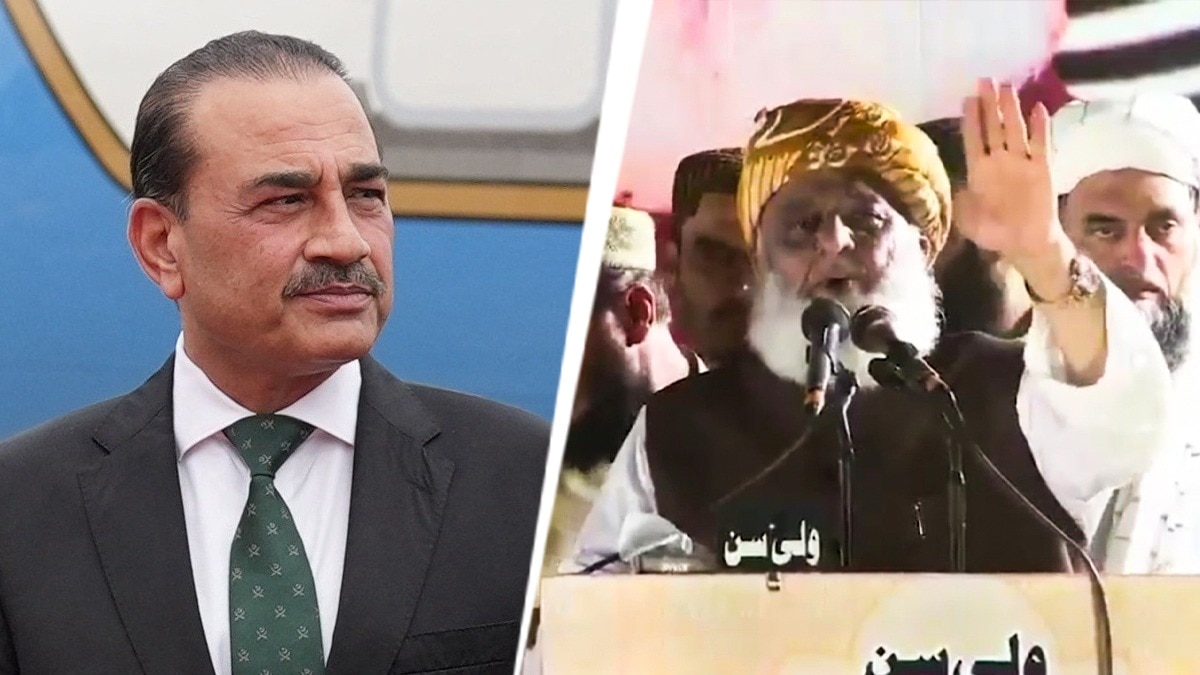
Pakistan's role was led by Field Marshal Asim Munir and Prime Minister Shehbaz Sharif. Munir, Pakistan's Army Chief, played a crucial part in shaping Islamabad's mediation effort in what was described as the country's most significant diplomatic intervention in decades. His behind-the-scenes contacts with American and Iranian representatives were widely credited with keeping the talks from collapsing. Sharif emerged as the chief mediator, hosted important rounds of talks in Islamabad, stayed in direct touch with both Washington and Tehran, helped guide the process through its final stages and signed the agreement as mediator.
Deputy Prime Minister and Foreign Minister Ishaq Dar also played a major role in Pakistan's mediation effort. He held talks with US Secretary of State Marco Rubio, Iranian Foreign Minister Araghchi and foreign ministers from many other countries, while also coordinating with regional partners including Turkey and Qatar to keep diplomatic efforts going. Interior Minister Mohsin Naqvi, a close ally of Munir, travelled to Tehran several times for meetings with the Iranian leadership as part of Islamabad's effort to reduce tensions, and his visit was seen as a confidence-building measure ahead of the expected signing.
Taken together, the agreement was shaped by political leaders, negotiators and mediators from the US, Iran and Pakistan, with formal talks, back-channel contacts and regional outreach all feeding into the memorandum of understanding now aimed at restoring peace in West Asia.
With PTI Inputs
- Ends
Published By:
India Today Web Desk
Published On:
Jun 19, 2026 15:46 IST