3 weeks ago
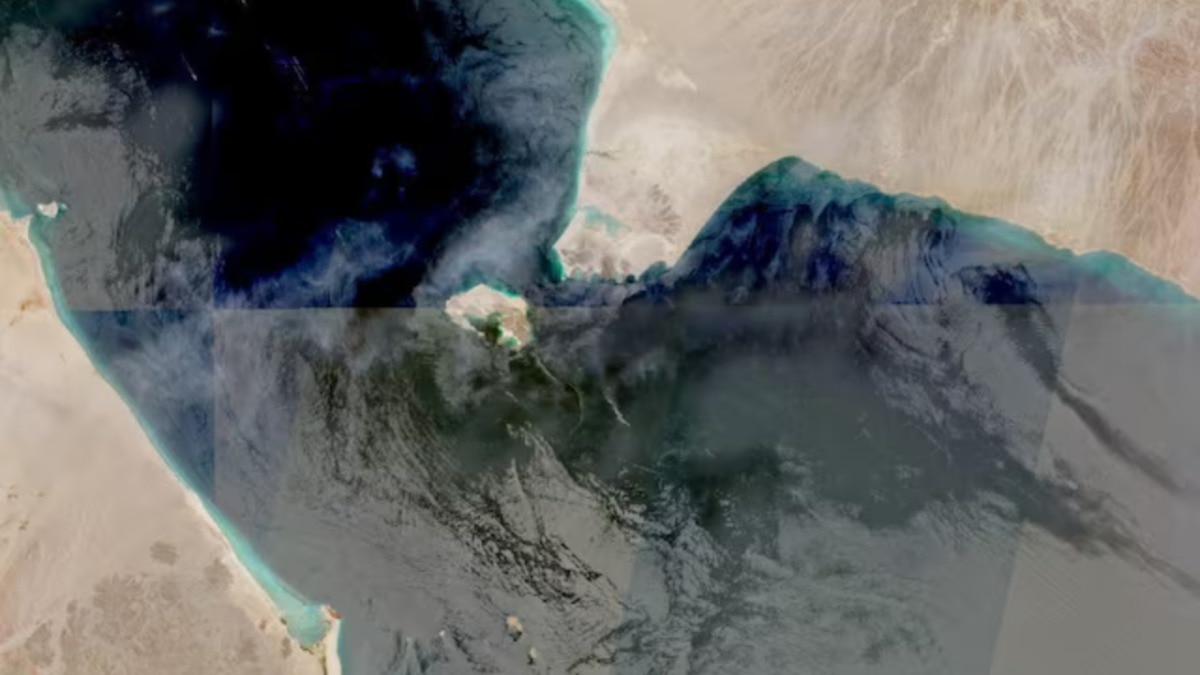
The US and Iran brought their peace agreement into force and reopened the Strait of Hormuz. The move ended the American naval blockade and capped months of war, mediation and shifting ceasefires.

Washington/islamabad,UPDATED: Jun 19, 2026 14:32 IST
A peace agreement between the US and Iran came into effect on June 18, with the Strait of Hormuz reopening after US President Donald Trump and Iranian President Masoud Pezeshkian signed a memorandum of understanding aimed at restoring peace in West Asia. Pakistan Prime Minister Shehbaz Sharif said Islamabad had signed the memorandum as a "guarantor", while the US announced that it had removed its naval blockade in the Gulf region.
The agreement followed months of attacks, threats, failed talks, mediation efforts and repeated changes on the status of the Strait of Hormuz. Here is a timeline of the key developments from the outbreak of the conflict to the latest move towards peace.
On February 28, the US and Israel attacked Iran, killing Supreme Leader Ayatollah Syed Ali Khamenei and several top commanders. Iran retaliated on March 1 with missile strikes that killed three people in the UAE, including an Indian. On March 2, Kuwait mistakenly shot down three American jets. On March 4, the Iranian Navy frigate IRIS Dena was torpedoed and sunk by the US Navy in the Indian Ocean, and on March 5 Iran launched a fresh wave of attacks against Israel, American bases and countries in the region.
Trump on March 6 demanded "unconditional surrender" from Tehran, which Iran rejected the next day. On March 8, a projectile fell on a residential area in Saudi Arabia, killing two people, including an Indian. Ayatollah Mojtaba Khamenei succeeded his father as Iran's supreme leader on March 9, and on March 12 he issued his first public statement, vowing to continue the attacks. On March 13, Trump told G7 leaders that Iran was about to surrender.
On March 17, US-Israeli attacks killed Ali Larijani, secretary of Iran's Supreme Security Council. A day later, Iranian state media said facilities linked to the South Pars natural gas field had come under attack, while Iranian Intelligence Minister Esmail Khatib was assassinated. On March 20, the Indian Embassy announced that an Indian national had been killed in Saudi Arabia because of the "recent events of March 18". The US on March 21 temporarily lifted sanctions on the sale of Iranian oil stranded at sea.
Sharif spoke with the Iranian President on March 23, the same day Trump extended by five days the deadline for Iran to reopen the Strait of Hormuz or face attacks on its power plants. Iran rejected a US ceasefire plan and issued its own demands on March 25. Trump then extended the deadline to April 6 on March 26. Iran's nuclear facilities came under Israeli attack on March 27. On March 30, Trump threatened widespread destruction of Iran's energy resources and other vital infrastructure if a deal was not reached "shortly", while an Indian national was killed in Kuwait in Iranian strikes. China and Pakistan put forward a five-point peace proposal on March 31.
A US fighter jet was shot down in Iran on April 3. Trump on April 6 threatened to decimate Iran within four hours if it did not agree to a deal, and Iran rejected a 45-day ceasefire proposal. On April 7, Trump warned that a "whole civilisation will die tonight" if Iran failed to meet his latest deadline. The US and Iran agreed to a two-week ceasefire on April 8. A US delegation led by Vice President JD Vance held face-to-face talks with top Iranian negotiators in Pakistan on April 11, but the next day the two sides failed to reach a peace deal. Trump then announced that the US Navy would immediately begin a blockade on ships entering or leaving the Strait of Hormuz.
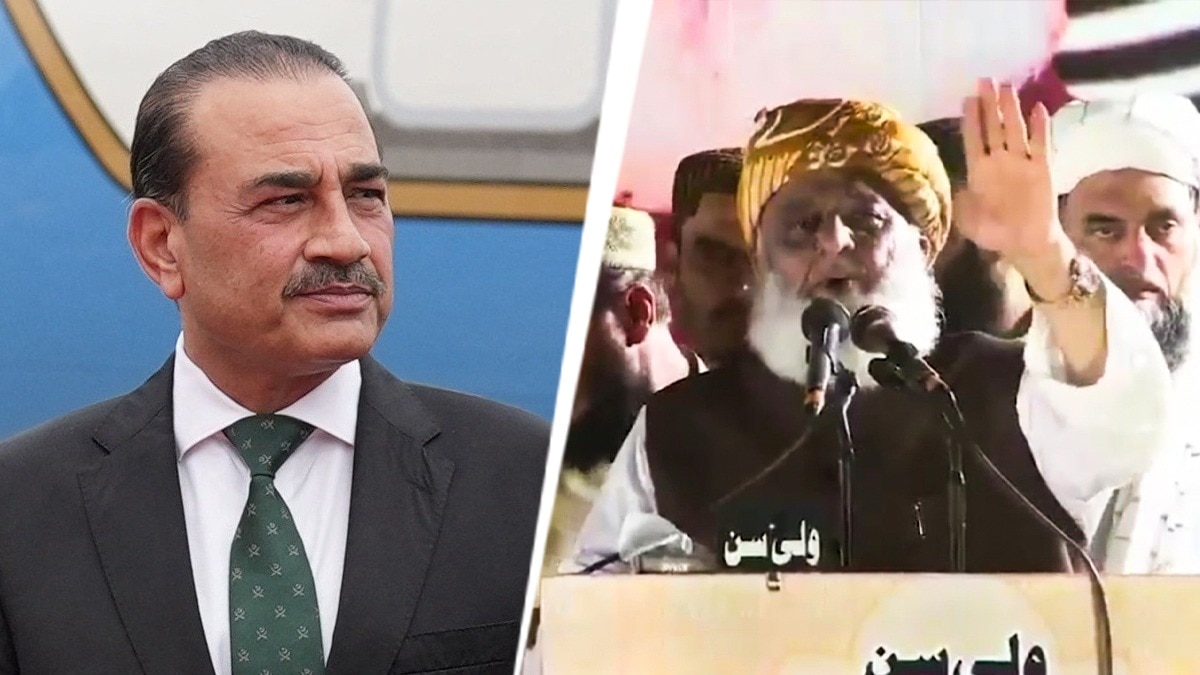
Trump said on April 15 that war with Iran was "close to over". Pakistan Army chief Asim Munir held talks with top Iranian leaders in Tehran on April 16. Iran said on April 17 that the Strait of Hormuz was "completely open", but Trump said the naval blockade would remain in "full force". Iran reversed the reopening on April 18. The US seized an Iranian-flagged cargo ship near the strait on April 20. Vance's visit to Islamabad was put on hold on April 21 after Tehran failed to respond to US negotiating positions. Trump on April 22 extended the ceasefire with Iran indefinitely, but Iran fired on three ships in the strait and seized two of them.
Iranian Foreign Minister Abbas Araghchi arrived in Islamabad on April 24 to discuss the US-Iran ceasefire with Pakistan's top leadership. He returned to Pakistan on April 26, met Munir and then left for Russia. On April 27, Iran offered to end its chokehold on the Strait of Hormuz if the US lifted its blockade and ended the war. Iran submitted a fresh proposal to the US on May 1. Trump on May 4 said Iran would be "blown off the face of the Earth" if it attacked US vessels escorting stranded ships through the strait. He suspended "Project Freedom" on May 6, and on May 8 US forces fired on and disabled two Iranian oil tankers in the Strait of Hormuz.
Iran sent its response to the latest US ceasefire proposal through Pakistani mediators on May 10, but Trump rejected it. A day later, he said the ceasefire was on "massive life support". An Indian-flagged vessel was attacked off the coast of Oman on May 13. Pakistan's Interior Minister Mohsin Naqvi visited Tehran on May 16 and again on May 20 for talks with Iranian leaders. Trump said on May 18 that he was holding off on a military strike because "serious negotiations" were under way. On May 19, he said he was an hour away from restarting attacks on Iran but delayed the move after calls from interlocutors, including Qatar and the UAE, saying Tehran was being "reasonable" in the peace talks. US Secretary of State Marco Rubio said on May 21 that despite "good signs" in the talks, "other options" remained on the table. Munir met top Iranian leaders in Tehran on May 23 and discussed speeding up efforts for a peace deal. Trump said on May 24 that an agreement with Iran, including the opening of the Strait of Hormuz, had been largely negotiated.
The US military said on May 26 that it had carried out "self-defence" strikes in Iran, including on missile launch sites, and launched another strike on May 28. On June 1, it said it had targeted Iranian radar and drone control sites after Tehran shot down an American MQ-1 Predator drone, while Iran targeted American soldiers in Kuwait with missiles. An Iranian drone attack on Kuwait airport on June 3 killed one Indian national. Iran fired ballistic missiles and drones towards Bahrain and Kuwait on June 6. Naqvi travelled to Tehran again on June 7 to revive US-Iran dialogue. On June 8, Israel and Iran exchanged strikes, raising the risk of a wider war. Trump said on June 9 that the US had to respond after Iran shot down a US Army helicopter.
On June 10, the US attacked Iran and struck a Palau-flagged tanker, killing three of the 24 Indian sailors on board. The US struck Iran again on June 11, and Iran responded with attacks on the Gulf states and Jordan. Trump announced on June 15 that a deal to end the war had been finalised. Trump and Pezeshkian separately signed the memorandum of understanding on June 17. On June 18, Sharif said the agreement had come into force with immediate effect and that the Strait of Hormuz would reopen instantly, while the US said it had lifted the naval blockade. On June 19, top leaders of the US, Iran and key mediator Pakistan were expected to meet in person in Switzerland, but they changed their plans.
The months-long conflict moved from direct military attacks and hardline warnings to mediation, repeated ceasefire efforts and, finally, a formal agreement. The latest steps have brought the reopening of the Strait of Hormuz and the removal of the US naval blockade, even as planned follow-up talks in Switzerland did not go ahead.
With PTI Inputs
- Ends
Published By:
India Today Web Desk
Published On:
Jun 19, 2026 14:32 IST