4 weeks ago
Pakistan said the United States and Iran have electronically signed the Islamabad Memorandum of Understanding to end their 107-day conflict. The deal is set to reopen the Strait of Hormuz immediately, easing pressure on global energy supplies.

Islamabad,UPDATED: Jun 18, 2026 12:16 IST
Pakistan on Thursday announced that the United States and Iran had electronically signed a peace deal, paving the way for the reopening of the Strait of Hormuz. Prime Minister Shehbaz Sharif said the agreement showed both sides' commitment to a diplomatic resolution of the conflict.
Sharif said the electronic signing would be followed by a formal ceremony in Geneva on Friday, which Pakistan will co-host with Qatar. The deal follows talks held after a conflict that lasted 107 days and triggered a global energy crisis.
"I am honoured to announce that the historic 'Islamabad Memorandum of Understanding' has been electronically signed today between the United States of America and the Islamic Republic of Iran," Sharif said in a post on X.
He said President Donald Trump had signed an agreement with Iran on Wednesday. Sharif also said the memorandum signed by the presidents of both countries had been endorsed by him as a mediator.
"Islamabad MoU shall enter into force with immediate effect and as a first step, the Islamic Republic of Iran will instantly reopen the Strait of Hormuz and the United States of America will immediately lift the naval blockade," he said.
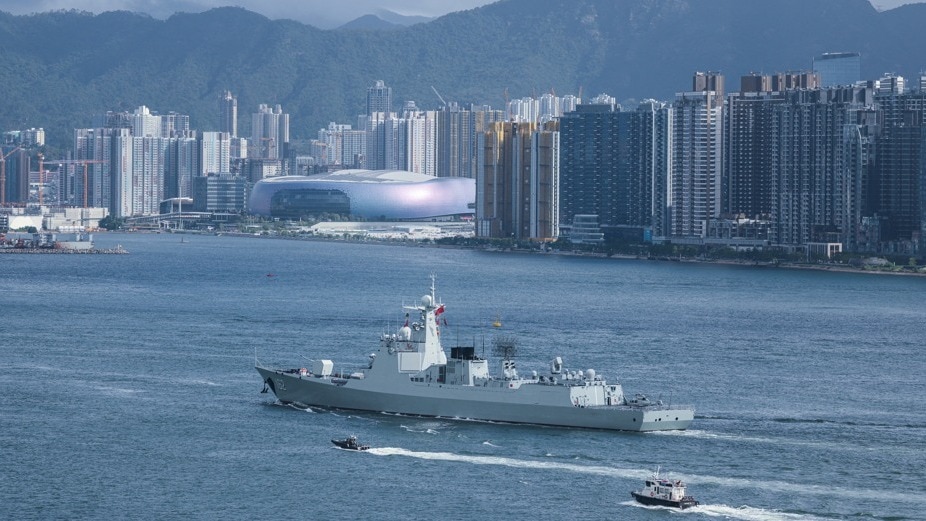
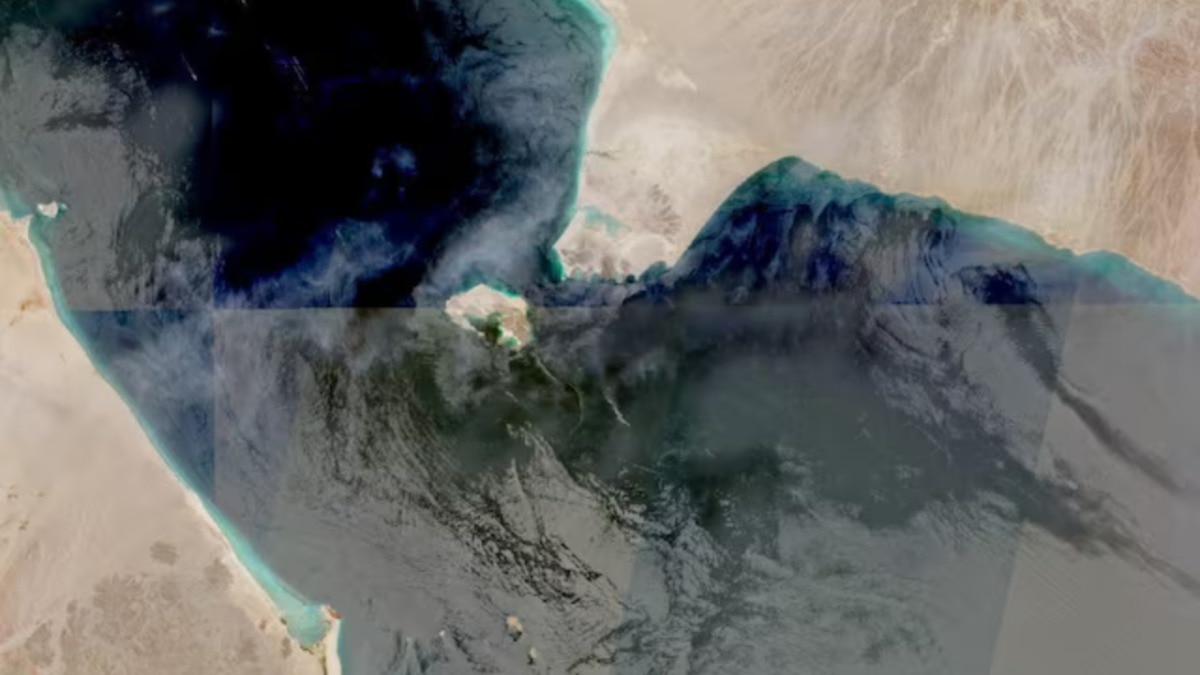
The Strait of Hormuz is a 55-kilometre-wide waterway between Iran and Oman that connects the Persian Gulf with the Arabian Sea. It is one of the world's busiest and most strategically important shipping routes, especially for the energy sector.
Sharif offered "heartfelt congratulations and sincere appreciation" to Trump, saying his commitment to diplomacy and preference for a peaceful resolution had helped end a conflict that could have had devastating consequences for the region and beyond. He also commended the US negotiating team, including Vice President JD Vance, Steve Witkoff and Jared Kushner.
He expressed "profound respect and appreciation" for Iran's Supreme Leader Ayatollah Seyyed Mojtaba Hosseini Khamenei and President Masoud Pezeshkian for their "wisdom, foresight and statesmanship in embracing the cause of peace". He also recognised the efforts of the Iranian negotiating team, including Mohammad Bagher Ghalibaf, Abbas Araghchi and Eskandar Momeni, saying their "patience, perseverance and commitment to constructive engagement were instrumental in bringing this agreement to fruition".
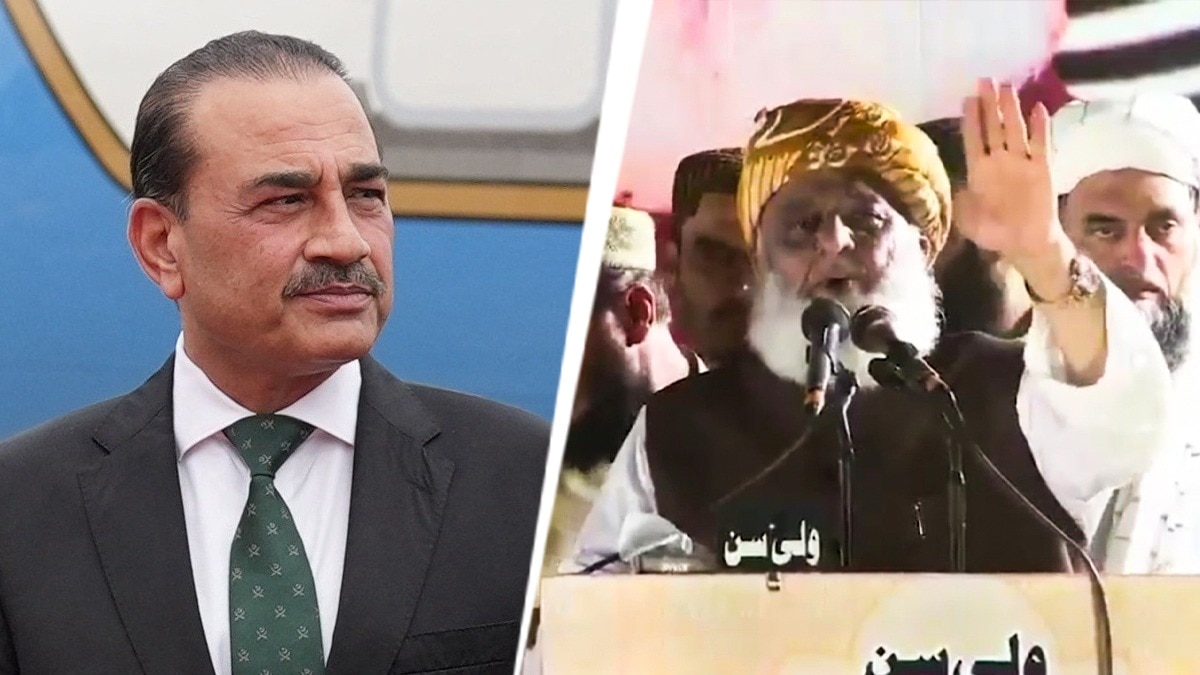
Sharif especially acknowledged the role of Qatar's leadership, and also praised the leadership of Saudi Arabia, Turkiye and Egypt for their "indispensable role and invaluable contributions in this regard". He also praised Pakistani army chief Field Marshal Asim Munir for his efforts for peace.
The deal was negotiated through mediators including Pakistan and Qatar, which had initially secured a two-week ceasefire on April 8. The ceasefire was later extended until the completion of the talks.
The conflict began after the US and Israel launched attacks on Iran on February 28, killing Supreme Leader Ayatollah Ali Khamenei and several top commanders. Khamenei's son Mojtaba, who was elected as the new supreme leader, has not been seen in public since the war began.
On Wednesday, Pakistan and Turkiye welcomed the understanding reached between the US and Iran to end the conflict. Earlier on Sunday, Trump had announced that the two sides had finalised a deal to end the fighting. During the conflict, Iran had effectively closed the Strait of Hormuz, the narrow waterway through which one-fifth of global oil supplies are transported. "May this Memorandum of Understanding serve as an enduring foundation for greater understanding, mutual respect and shared prosperity for the complete region," Sharif said.
With PTI Inputs
- Ends
Published By:
India Today Web Desk
Published On:
Jun 18, 2026 12:16 IST