1 month ago
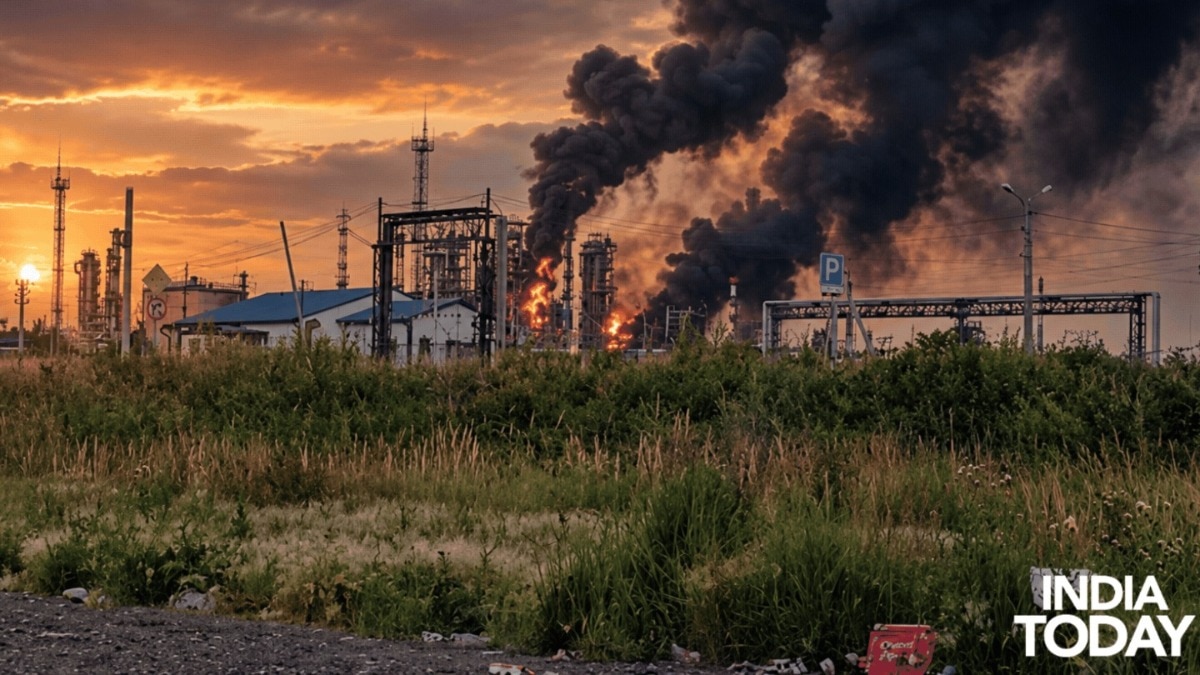
The US launched a 12th straight night of strikes on Iran as both sides traded fresh warnings. The confrontation has sharpened risks to key oil shipping routes and wider regional infrastructure.
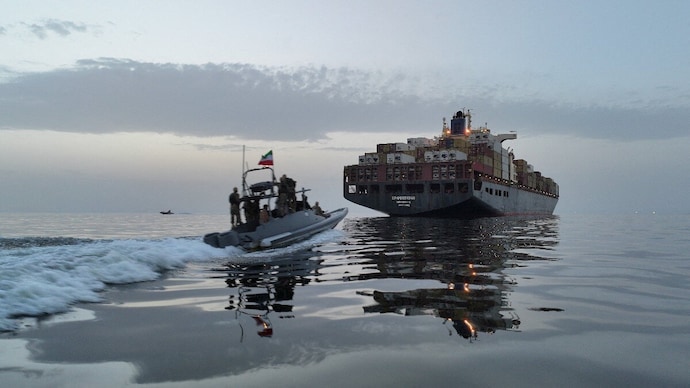
CENTCOM said the mission will continue to further degrade Iran's ability to threaten civilian mariners and commercial vessels transiting regional waters(Reuters)

UPDATED: Jul 23, 2026 04:22 IST
The United States military launched its 12th consecutive night of strikes on Iran on Wednesday, deepening the conflict after the collapse of a ceasefire agreement and triggering fresh warnings from Tehran over possible attacks on regional energy and economic infrastructure.
The escalation has raised concerns over the security of two major global shipping routes — the Strait of Hormuz and the Bab el-Mandeb Strait — with Iran and its allies threatening measures that could disrupt international oil supplies.
US STRIKES CONTINUE AS TRUMP ISSUES WARNING
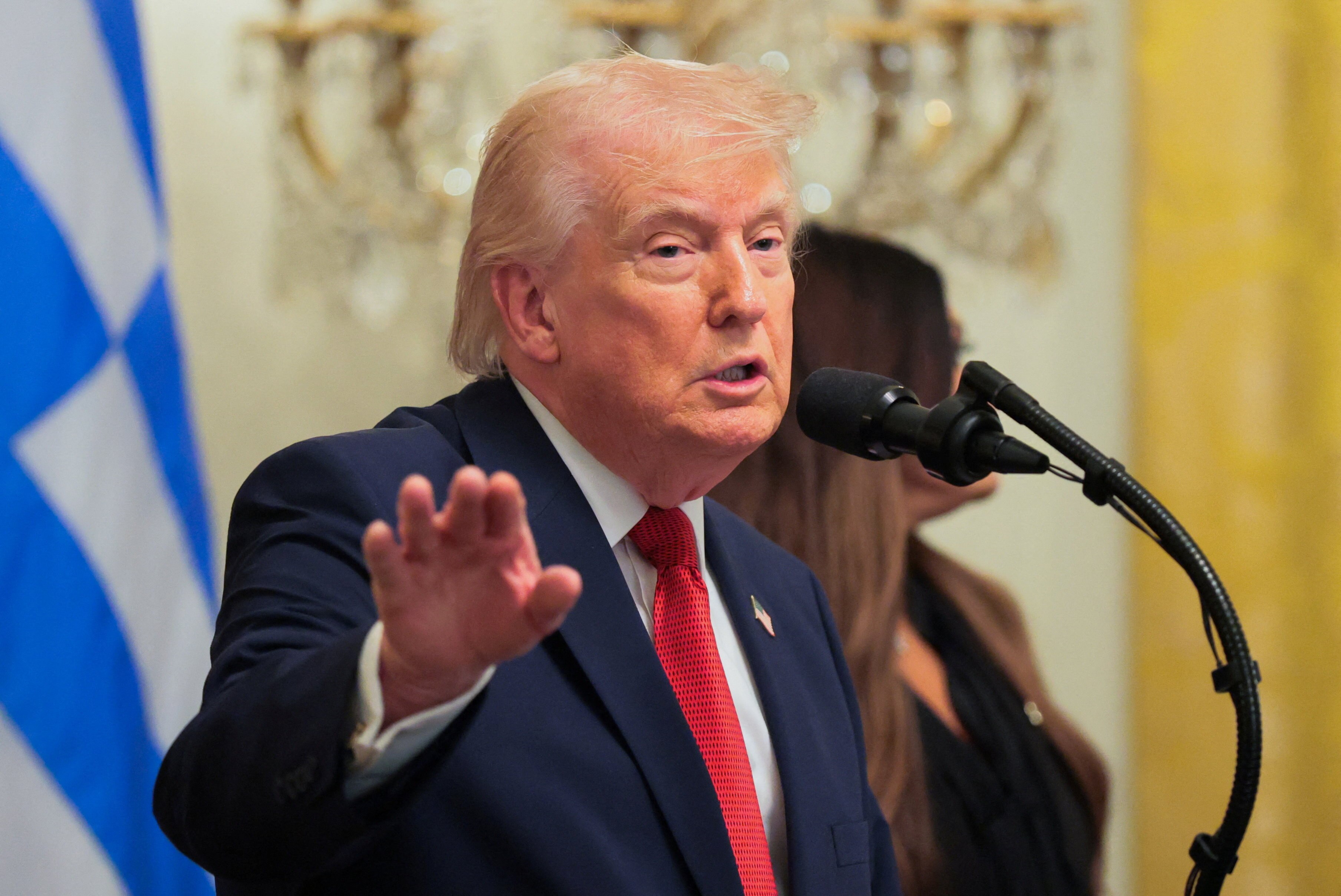
The US Central Command (CENTCOM) said the latest strikes were carried out at the direction of President Donald Trump and were aimed at reducing Iran’s ability to threaten commercial shipping in regional waters.
“The mission will continue to further degrade Iran's ability to threaten civilian mariners and commercial vessels transiting regional waters,” CENTCOM said in a statement.
At 5:30 p.m. ET today, U.S. forces began launching more strikes against Iranian military targets at the Commander in Chief's direction. The mission will continue to further degrade Iran's ability to threaten civilian mariners and commercial vessels transiting regional waters.— U.S. Central Command (@CENTCOM) July 22, 2026
Trump on Wednesday warned that the US would target Iranian infrastructure if Tehran attacked ships passing through the Strait of Hormuz. He said Iran would face the destruction of a bridge or power plant for every strike against vessels in the strategic waterway.
IRAN WARNS OF RETALIATION
Iran’s military command responded by warning that any US attack on its infrastructure would lead to retaliation against regional oil, gas, electricity and economic facilities.
Iranian Foreign Minister Abbas Araqchi said on X, “Our defence doctrine is clear: eye for an eye. Any aggression against Iran, including our infrastructure, will compel a powerful and decisive response.”
Iranian officials also warned that the country could prevent the export of oil from the region, escalating fears over a broader energy crisis.
STRAIT OF HORMUZ TENSIONS IMPACT GLOBAL SHIPPING
The Strait of Hormuz, a critical passage for global oil shipments, has become a major flashpoint in the conflict. Iran’s near-total blockade of the waterway has already disrupted shipping activity and contributed to rising oil prices.
Brent crude futures briefly crossed $95 a barrel before settling above $94, while concerns over fuel supplies continued to grow.
The US has warned that allowing Iran control over the strait could create a dangerous precedent for global trade and security.
HOUTHI THREATS RAISE NEW RISKS IN BAB EL-MANDEB
The conflict has expanded beyond the Gulf, with Yemen’s Iran-backed Houthi group threatening Saudi oil shipments through the Bab el-Mandeb Strait, another key maritime route connecting the Red Sea with the Gulf of Aden.
Five oil tankers changed course in the Red Sea to avoid the route following the Houthi threat, adding pressure on global energy markets. Saudi oil shipments have increasingly been diverted through alternative routes, increasing travel time and transportation costs.
Officials have warned that any disruption in Bab el-Mandeb could further strain global shipping and widen the conflict.
CEASEFIRE COLLAPSE FUELS FURTHER ESCALATION
The latest strikes follow the breakdown of a June ceasefire agreement that had temporarily reduced fighting. Since then, US attacks have expanded across parts of Iran, while Tehran has continued missile and drone operations against regional targets.
Iranian officials have accused Washington of being trapped in a prolonged conflict, while US officials have maintained that military action is aimed at protecting international shipping routes.
US Secretary of State Marco Rubio said Washington remains open to diplomacy but warned that the US would act if Iran threatens its interests or those of its allies.
“If they're serious, we're serious. If they're not, then we will do what's necessary to protect our interests, and also the interests of our allies,” Rubio said.
CASUALTIES MOUNT AS CONFLICT DEEPENS
The ongoing conflict has resulted in casualties on both sides. An Iranian Health Ministry official said 53 civilians had been killed and 592 wounded since late last month.
The US military has reported the deaths of 18 American service members, while more than 450 troops have been injured in Iranian attacks on US military positions across the region.
The US has maintained that its operations do not target civilians and said its strikes are focused on degrading Iran’s military capabilities and protecting American forces and commercial shipping routes.
- Ends
With inputs from Reuters
Published By:
Nitish Singh
Published On:
Jul 23, 2026 04:22 IST