1 month ago
The US struck Iran for a 13th consecutive night after Houthi rebels hit two Saudi tankers in the Red Sea. The escalation has widened the threat to Gulf shipping routes, lifted oil prices and sharpened calls for diplomacy.

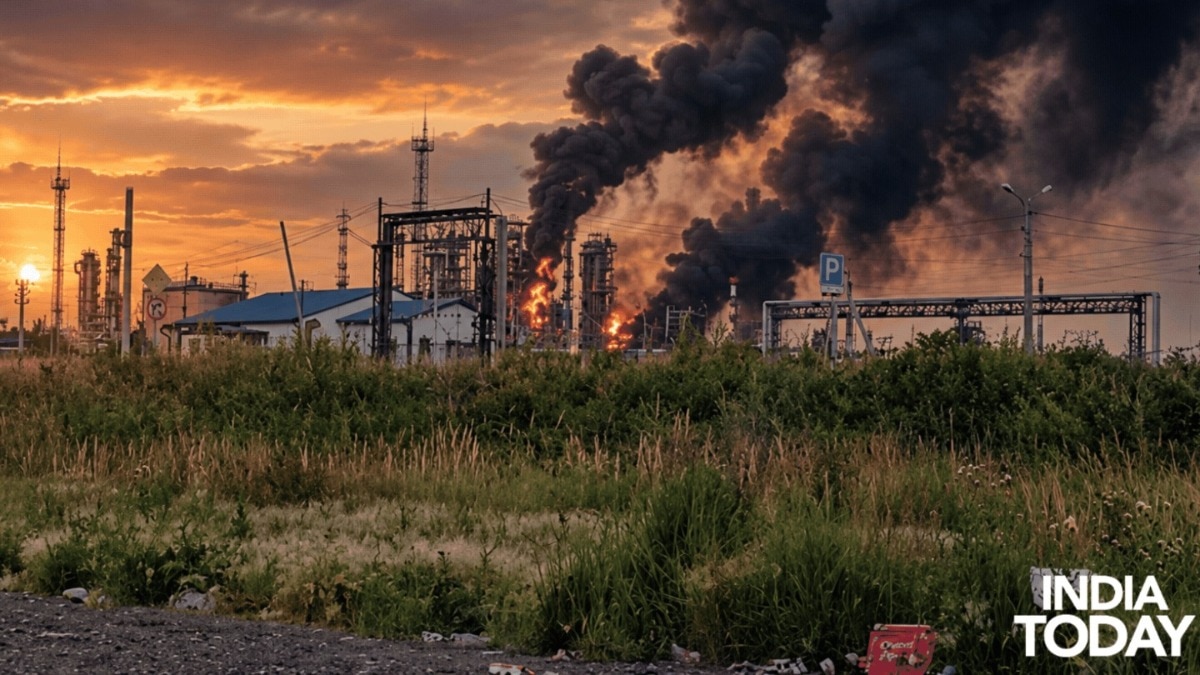
Image used for representational purposes only

Cairo,UPDATED: Jul 24, 2026 08:40 IST
The US military carried out a 13th straight night of strikes on Iran on Thursday as the conflict widened around key shipping lanes in the region. The attacks came after Yemen's Iran-backed Houthi rebels said they had hit two Saudi oil tankers in the Red Sea, raising fears of a broader disruption to maritime trade and pushing Brent crude above USD 100 a barrel.
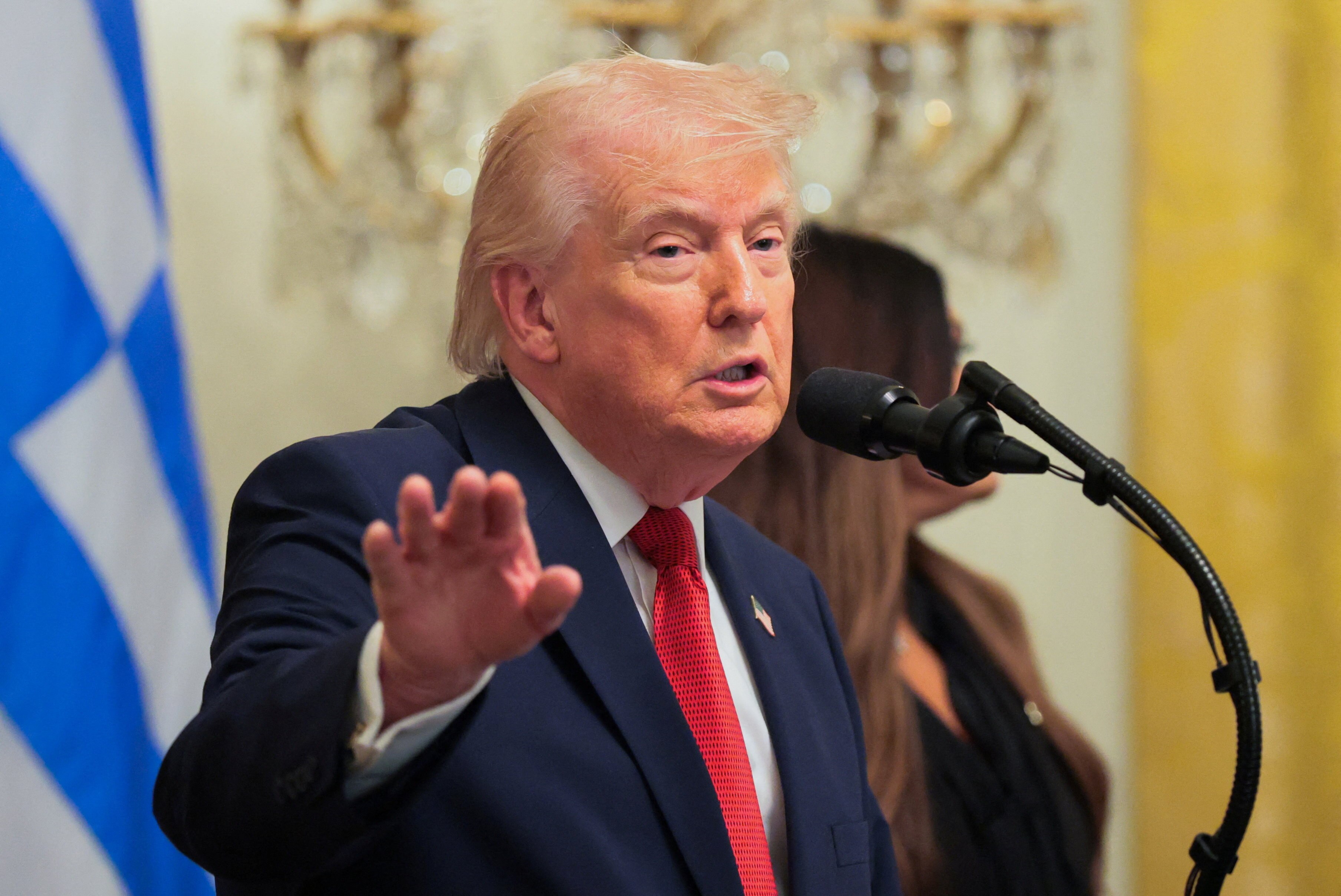
As the military and political rhetoric sharpened, diplomatic efforts also picked up. President Donald Trump warned of "major military punishment" if the Houthi attacks on ships continued, while UN Secretary-General Antonio Guterres urged de-escalation and said the region was being pulled "into an ever-widening circle of confrontation". Iraq Prime Minister Ali al-Zaidi visited Tehran to call for peace and dialogue.
US Central Command said the latest strikes ended shortly before 5 am local time. It said the attacks were meant to "further degrade Iran's ability to threaten civilian mariners and commercial vessels transiting regional waters" as the US tries to regain control of the Strait of Hormuz and restore the flow of international shipping.
Shortly afterwards, Iranian state media reported explosions along the strait in Qeshm and Bandar Abbas, where two people were reportedly injured. Explosions were also reported to the northwest near Andimeshk, Omidiyeh and Firuzabad.
The Houthis also threatened to shut down another major trade route, adding to the impact of Iran's closure of the Strait of Hormuz. Iran and the US have increased attacks as they compete for control of the strait, through which a fifth of the world's oil and gas moved in peacetime, triggering a rush to find alternative shipping routes.
Trump said on social media that the US would hold Iran responsible for any fresh Houthi attack. "If they do this again, the US will hold Iran responsible, in that the Houthis are a Surrogate and/or Proxy of Iran, and major military punishment will be inflicted upon Iran and, of course, the Houthis, themselves," he wrote.
The economic impact deepened as Brent crude, the international benchmark, rose more than 6 per cent on Thursday to about USD 100 a barrel. It was the highest level since May, before the two sides reached a preliminary peace agreement last month that has since collapsed.
Al-Zaidi, whose country has close ties to both Washington and Tehran, was in the Iranian capital on Thursday and said Iraqi territory would not be allowed to be used for attacks on Iran, his office said. He had met Trump in Washington earlier this month. At the UN Security Council, Guterres said, "Diplomacy is the only way forward," and called for Pakistan's mediation efforts to be strengthened.
The Houthis' SABA news agency said the rebels struck the tankers Encelia and Layla in the Red Sea, causing fires on both ships. There were no reports of casualties. It was the first reported Houthi attack on a vessel since the group announced a blockade of Saudi-linked shipping through the Bab el-Mandeb Strait earlier this week, saying it was in response to the kingdom's blockade on Yemen and a recent attack on the airport in Sanaa, the rebel-held capital.
Bab el-Mandeb, at the southern tip of the Arabian Peninsula, is a key shipping chokepoint linking the Red Sea and the Gulf of Aden. Around 12 per cent of global trade, including a fourth of container traffic, passes through it on the route between Europe and Asia via Egypt's Suez Canal.
Saudi Arabia's state-run news agency reported that an attack set the Encelia on fire overnight in the Red Sea, but did not mention the Layla. The United Kingdom Maritime Trade Operations Centre said it had received a report of a tanker being hit by "an unknown projectile" about 130 kilometres southwest of Al Shuqaiq in Saudi Arabia.
Lloyd's List Intelligence said the Houthi attacks created a "double whammy" for oil shipments by threatening cargoes from Saudi Arabia's Yanbu port as well as trade already disrupted in the Strait of Hormuz. Saudi Arabia has rerouted millions of barrels a day of exports to Yanbu through an overland pipeline because the war has bottlenecked the Persian Gulf. Lloyd's said the Houthi threat "raises questions on the viability of this route". The rebels say they are blockading Saudi Arabia, but during their earlier blockade of Israel during the Gaza war, they targeted many vessels with little or no link to that conflict, disrupting global trade.
Iran says it has the right to manage traffic and possibly charge fees in the Strait of Hormuz, which had been open to all toll-free before the war. It has attacked ships using a route through the strait that is overseen by US forces and meant to lie outside Tehran's control.
Trump also said on social media that Iranian funds in US possession would be used to cover damage to ships hit in the war. "Please let this statement serve to represent, until further notice, that from this point forth, any and all damages done to Ships, Cargo, or anything related thereto, will be paid for by Iranian Money that the United States has in its possession, and controls," he said. It was not clear what legal process he would use to access and spend the funds, though he said that would be "the fair and equitable thing to do".
In response to Iranian attacks, the US has expanded its strikes across Iran and restored a naval blockade of Iranian ports. US Central Command said it has redirected about a dozen commercial vessels and disabled one since the blockade resumed.
The exchange of threats also intensified. Iranian Foreign Minister Abbas Araghchi said Tehran would follow an "eye for an eye" policy over US strikes on its infrastructure. US Secretary of State Marco Rubio replied that Trump's policy was "a head for an eye". "The price will continue to get higher every single night until they come to their senses," Rubio told reporters while travelling in the Philippines for a regional summit.
Iran's health ministry said on Thursday that 55 people had been killed and 629 wounded since renewed US airstrikes began on June 27. Iran has answered the attacks by targeting energy infrastructure and desalination plants that provide drinking water in neighbouring Gulf countries. Polls in the US have shown the war is unpopular, and the US House on Thursday narrowly passed a resolution calling for it to be halted, though the measure remained largely symbolic.
The latest strikes, the Houthi attacks in the Red Sea, rising oil prices and increasingly sharp warnings from both sides underlined how the conflict has spread across the region's main shipping routes, even as diplomatic efforts continued.
With PTI Inputs
- Ends
Published By:
India Today Web Desk
Published On:
Jul 24, 2026 08:40 IST