1 month ago
Last Updated:March 11, 2026, 23:26 IST
The IEA has recommended releasing 400 million barrels of oil from stockpiles due to rising global oil prices. Know more about this global platform.


Executive Director of the Energy Agency (IEA) Fatih Birol. (Image: AFP)
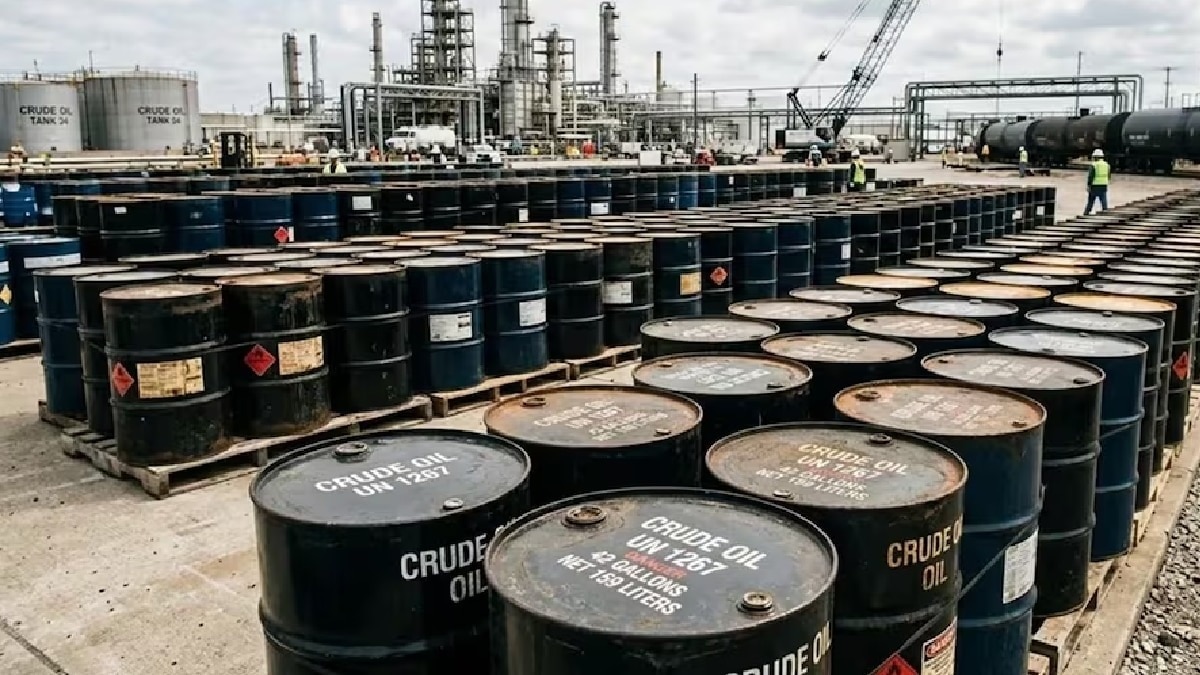
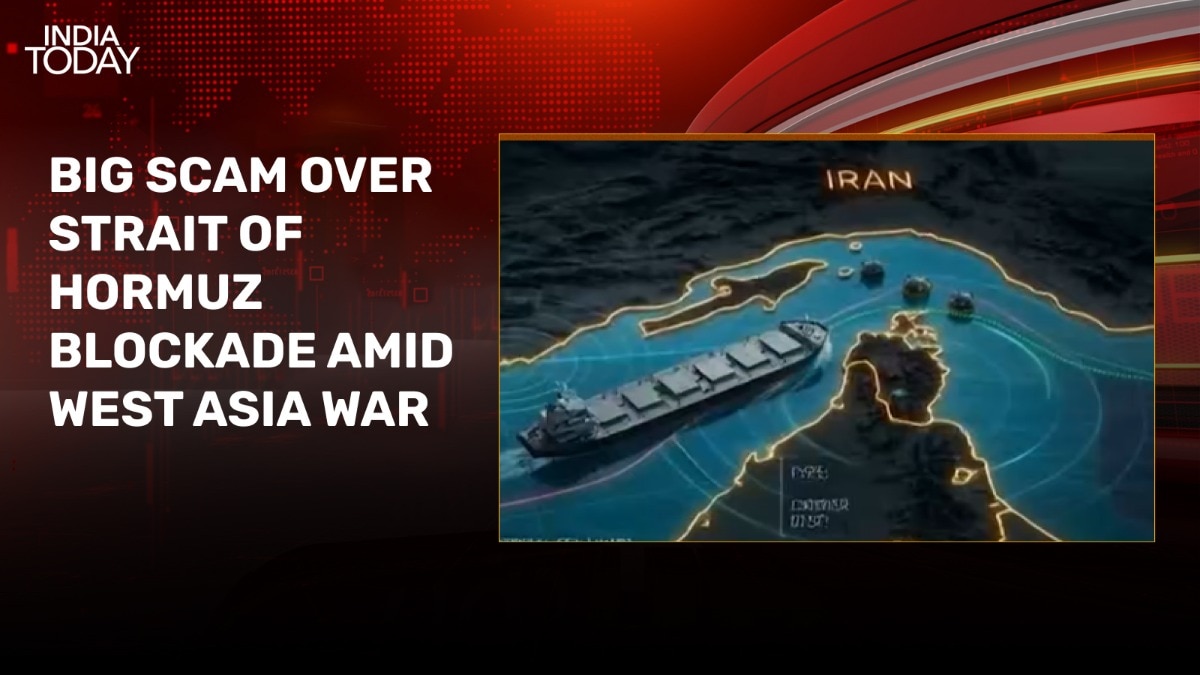
With an increase in oil prices globally owing to tensions in West Asia, the Energy Agency on Wednesday recommended the release of 400 million barrels of oil from stockpiles, which is the largest in IEA history.
According to a statement by the IEA, “The 32-member countries of the Energy Agency unanimously agreed today to make 400 million barrels of oil from their emergency reserves available to the market to address disruptions in oil markets stemming from the war in the Middle East."
Follow US-Israel-Iran War LIVE Updates Here
NBC News quoted the IEA saying that collectively, member countries hold emergency stockpiles of more than 1.2 billion barrels.
Let us know more about this global platform.
What Is IEA?
The Energy Agency is a platform comprising of industrialized countries under the Organization for Economic Development and Cooperation (OECD).
Established in 1974, in the wake of 1973-1974 crisis, the IEA works to help its members respond to major oil supply disruptions.
Also Read: IEA To Release 400 Mn Barrels From Emergency Oil Reserves; Japan, Germany Join Effort
Over the years, its mandate has expanded over time to include tracking and analyzing global key energy trends.
Who Are Its 32 Members?
The founding members are Austria, Belgium, Canada, Denmark, Germany, Ireland, Italy, Japan, Luxembourg, The Netherlands, Norway (under a special Agreement), Spain, Sweden, Switzerland, Turkey, United Kingdom, and the United States.
Also Read: IEA Welcomes India’s Support For Oil Stock Release As Global Energy Markets Face Disruption
They were followed by Greece (1976), New Zealand (1977), Australia (1979), Portugal (1981), Finland (1992), France (1992), Hungary (1997), Czech Republic (2001), Republic of Korea (2002), Slovak Republic (2007), Poland (2008), Estonia (2014), and Mexico (2018) and Lithuania (2022).
Currently, the group has 32 member countries. More than a dozen countries are affiliated with the IEA as “association countries," including China, India, Thailand and Kenya.
How Much Reserves IEA Holds?
According to IEA, its members hold emergency stockpiles of over 1.2 billion barrels, with a further 600 million barrels of industry stocks held under government obligation. The coordinated stock release is the sixth in the history of the IEA, which was created in 1974. Previous collective actions were taken in 1991, 2005, 2011, and twice in 2022.
The IEA’s member and associate countries represent two thirds of global energy production and 80% of consumption.
According to BBC, the member countries are required to keep 90 days’ worth of their nation’s oil use in reserve in case of global disruption.
What Will IEA’s Release Of Oil Reserves Mean?
The IEA’s statement that its members will release of 400 million barrels of oil from stockpiles will not mean that there will be sudden movement of new oil across the world.
According to BBC, producers will make more available in the market for refineries to order, though energy analysts have told that there is a shortage of refining capacity.
Jorge Leon, an energy analyst at Rystad Energy, said the release “helps but it doesn’t fully offset that disruption".
“Everyone knew there would be a release of emergency reserves […] but prices haven’t come down as much as you would expect," he added.
First Published:
March 11, 2026, 23:25 IST
News world What Is The IEA, Set To Release 400 Million Barrels Of Oil As Iran War Jolts Global Energy Markets?
Disclaimer: Comments reflect users’ views, not News18’s. Please keep discussions respectful and constructive. Abusive, defamatory, or illegal comments will be removed. News18 may disable any comment at its discretion. By posting, you agree to our Terms of Use and Privacy Policy.
Read More