1 month ago
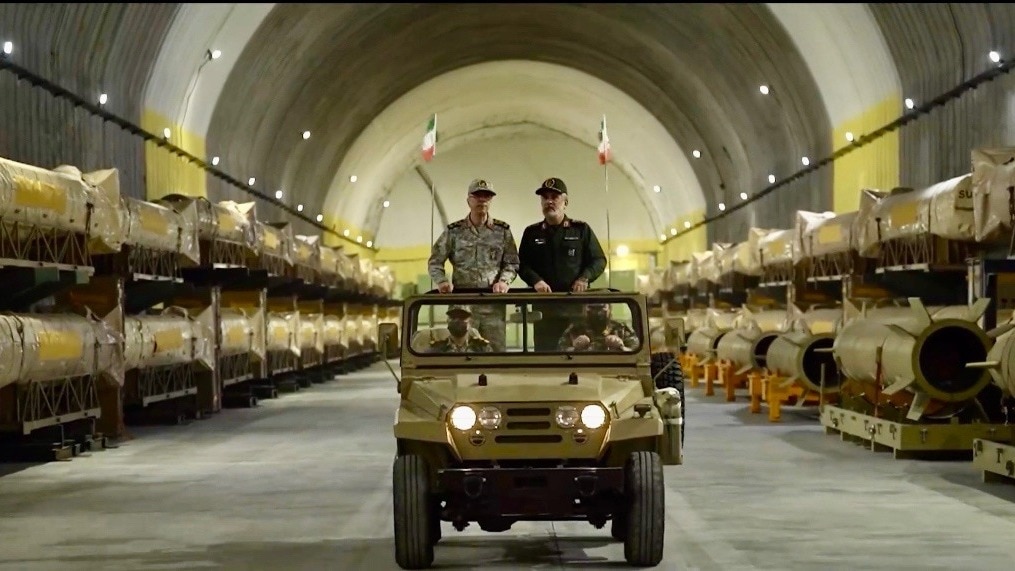
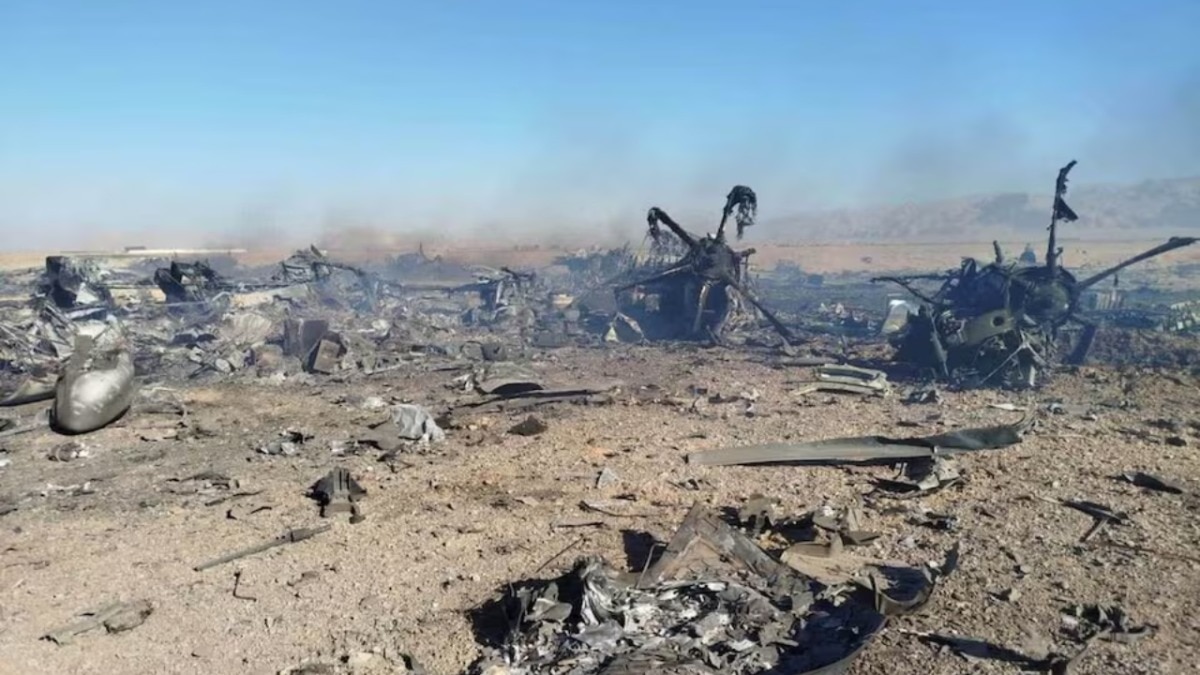
The conflict, which began on February 28 with US and Israeli strikes on Iran, has killed thousands and severely disrupted global energy markets. Although a fragile ceasefire has largely halted fighting, both sides have accused each other of violations.
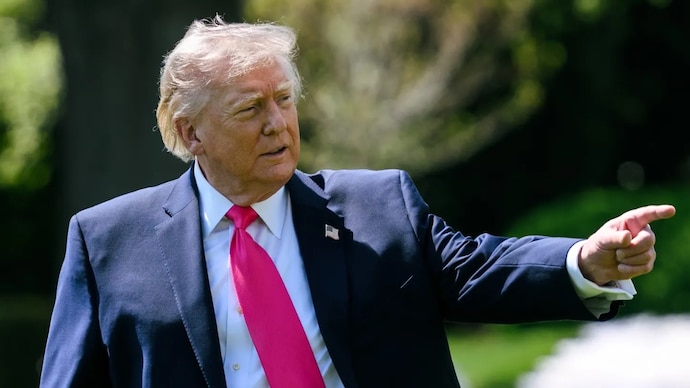
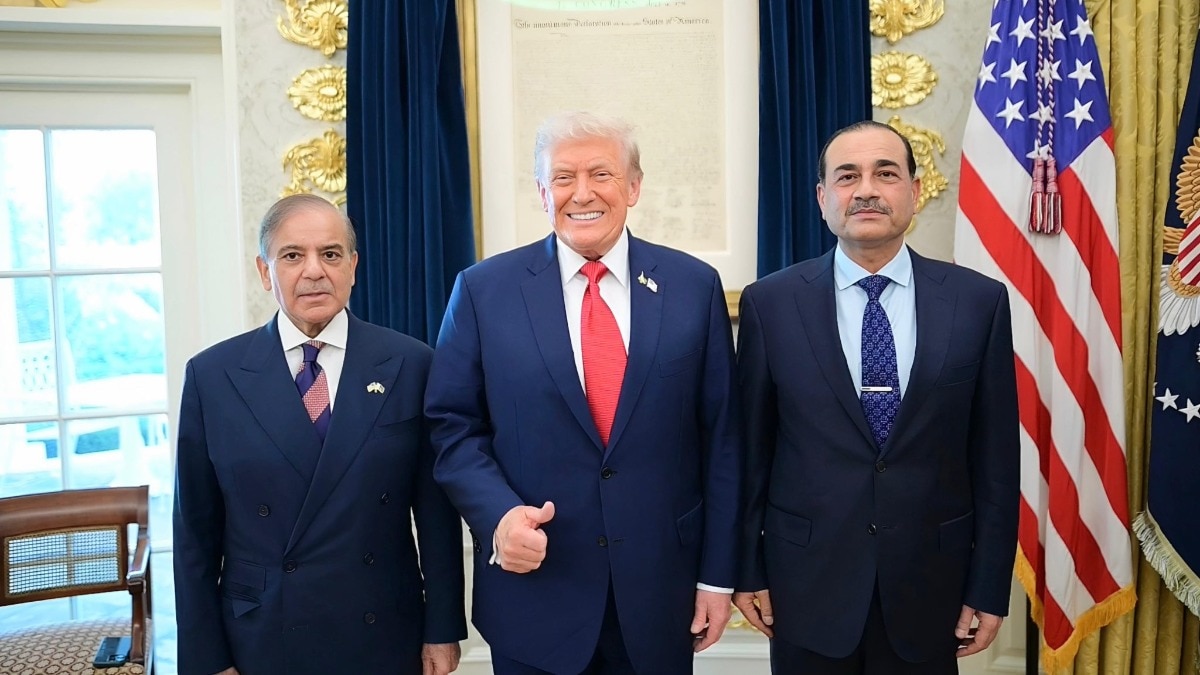
Donald Trump (Photo: White House)

UPDATED: May 2, 2026 03:53 IST
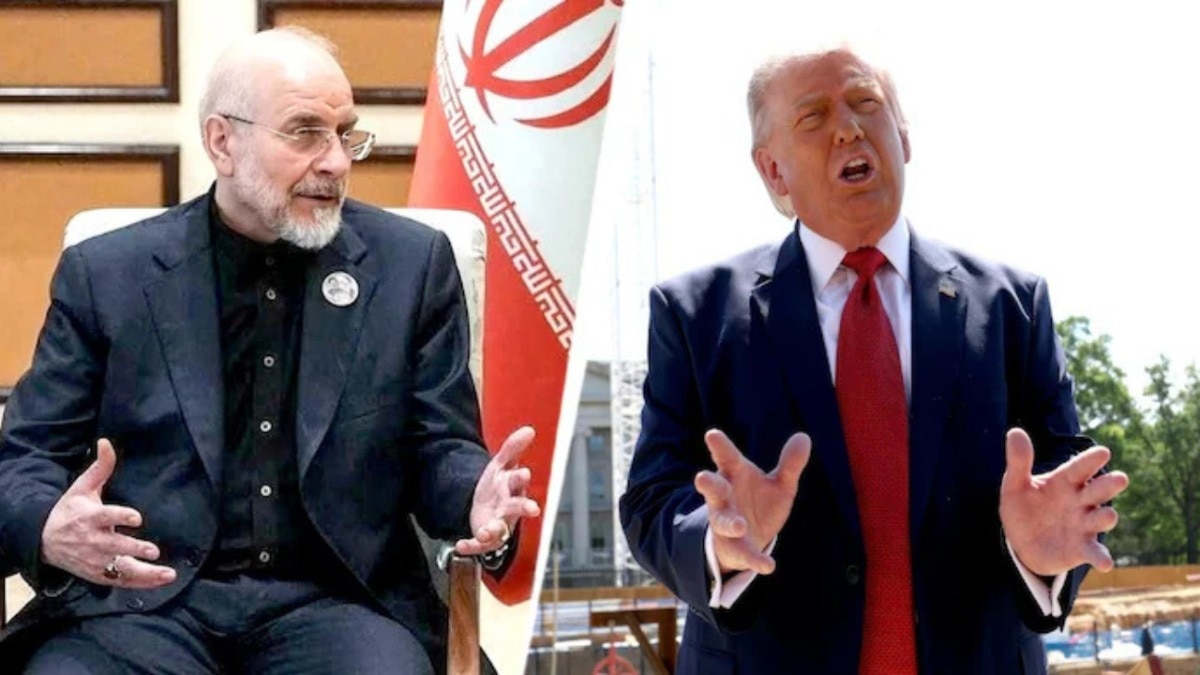
US President Donald Trump said on Friday Washington would not walk away from its confrontation with Iran prematurely, warning that doing so could allow the crisis to resurface within a few years.
“We’re not going to exit early and then have the problem arise in three more years,” Trump said, signaling that the deadlock in efforts to end the war is likely to persist.
His remarks come even as he faces pressure at home to wind down a conflict that remains deeply unpopular among Americans.
Trump has repeatedly insisted that Iran will not be allowed to develop a nuclear weapon and is also under pressure to break Tehran’s grip on the Strait of Hormuz, a key route for about 20% of global oil and gas supplies.
Earlier, high-stakes talks were held in Islamabad, where U.S. and Iranian officials—mediated by Pakistan along with Turkey, Egypt and Oman—failed to reach an agreement after nearly 21 hours of negotiations.
The meeting marked the highest-level engagement between the two sides since the 1979 Islamic Revolution but ended without a breakthrough, underscoring deep divisions. At the core of the impasse are irreconcilable demands. The United States wants Iran to halt uranium enrichment and commit to never pursuing nuclear weapons, while Tehran insists its nuclear programme is for peaceful purposes and refuses to abandon enrichment.
A second round of talks had been planned as a two-week ceasefire was about to expire, with Trump hinting at “good news,” but negotiations collapsed at the last minute. As it became clear Iran would not send negotiators, Trump unilaterally extended the ceasefire, though the US naval blockade on Iranian oil exports remained in place—a major sticking point for Tehran.
Trump also rejected Iran’s latest proposal delivered through mediators in Pakistan.
“They want to make a deal, I’m not satisfied with it, so we’ll see what happens,” he told reporters at the White House, while describing Iran’s leadership as “very disjointed.”
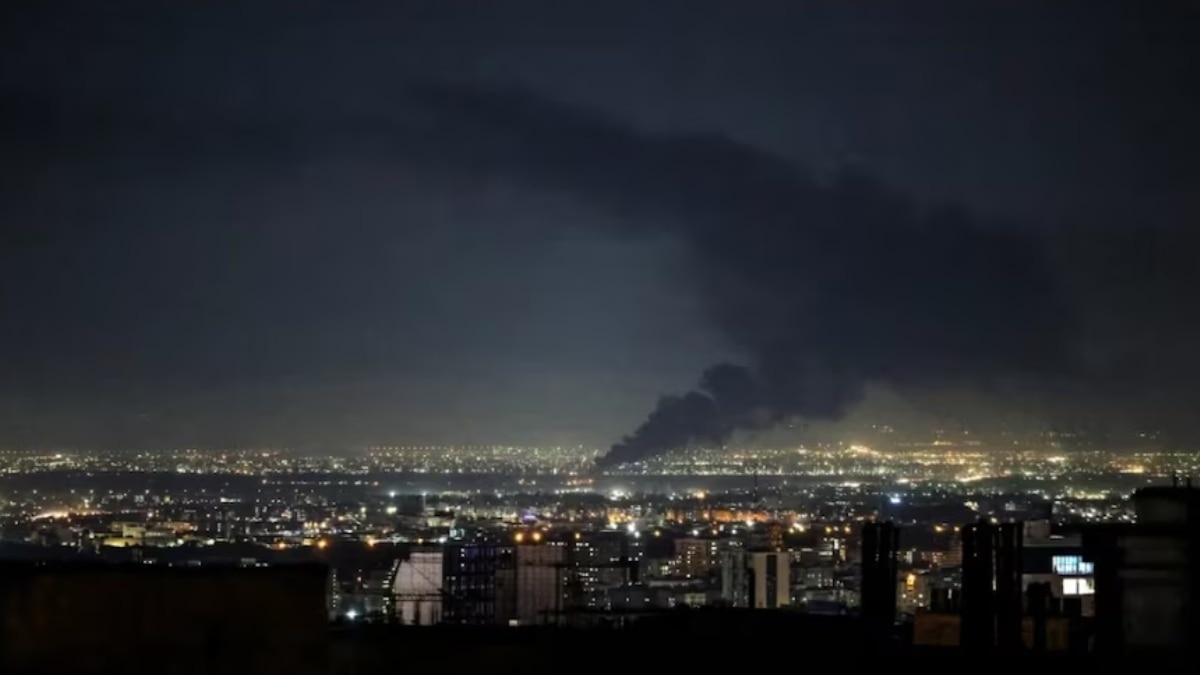
The conflict, which began on February 28 with US and Israeli strikes on Iran, has killed thousands and severely disrupted global energy markets. Although a fragile ceasefire has largely halted fighting, both sides have accused each other of violations.
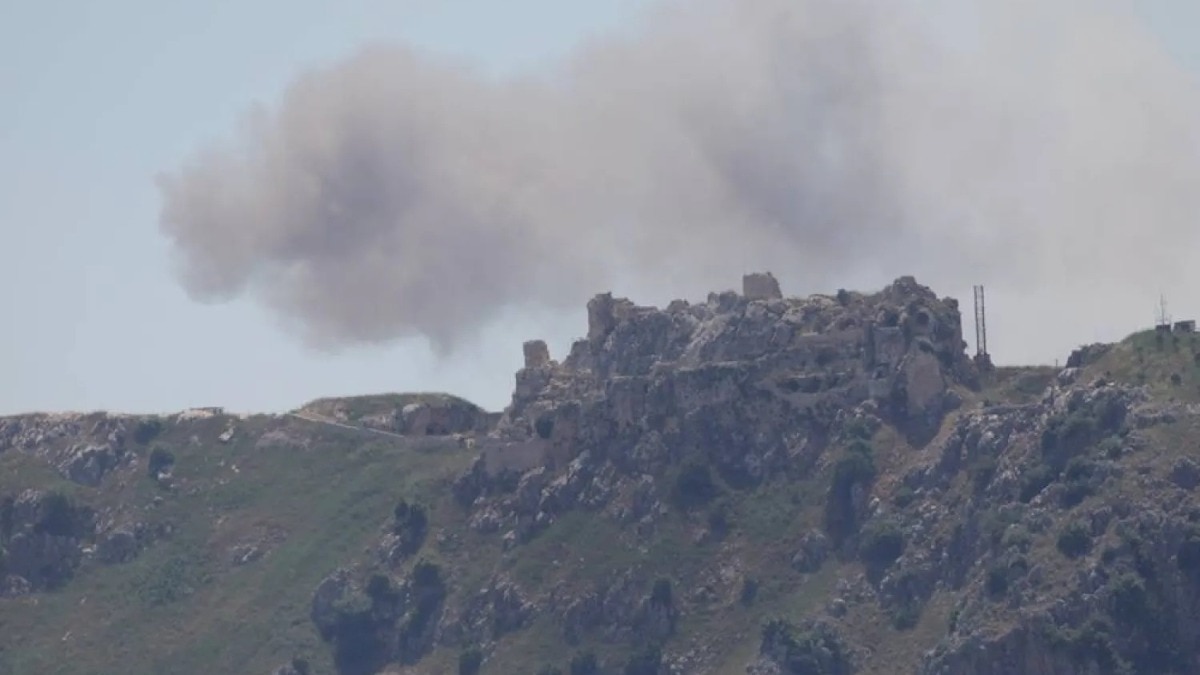
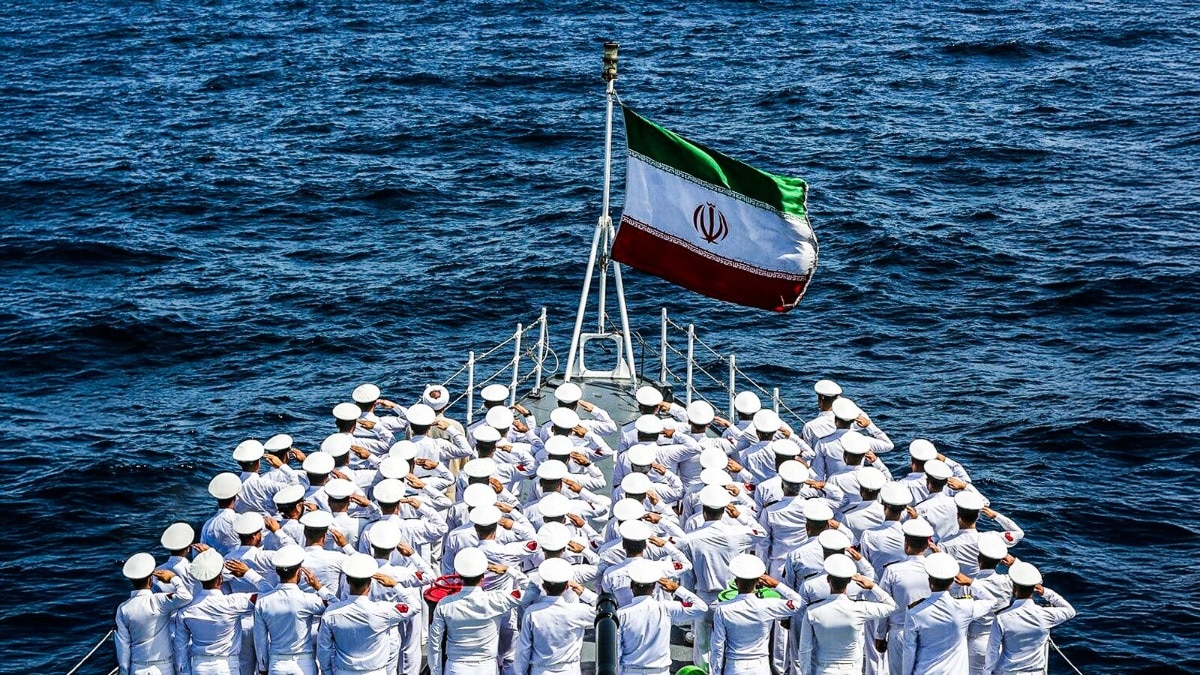
Meanwhile, tensions remain high around the Strait of Hormuz. The US Navy continues to block Iranian oil exports, with dozens of commercial vessels reportedly stopped, while Iran maintains restrictions on the vital shipping lane, raising fears of a broader economic downturn.
Despite the diplomatic stalemate, contacts have continued by phone after Trump called off a planned envoy visit to Pakistan. He has also floated proposals to reopen the strait, even as frustration grows over what he described as Iran’s divided leadership. “They all want to make a deal, but they’re all messed up,” Trump said.
- Ends
With inputs from agencies
Published By:
Nitish Singh
Published On:
May 2, 2026 03:53 IST
Tune In