3 weeks ago
Indian sailors stranded near the Strait of Hormuz recount nights of missile fire, food shortages and mounting debts after the Iran conflict choked Strait of Hormuz.
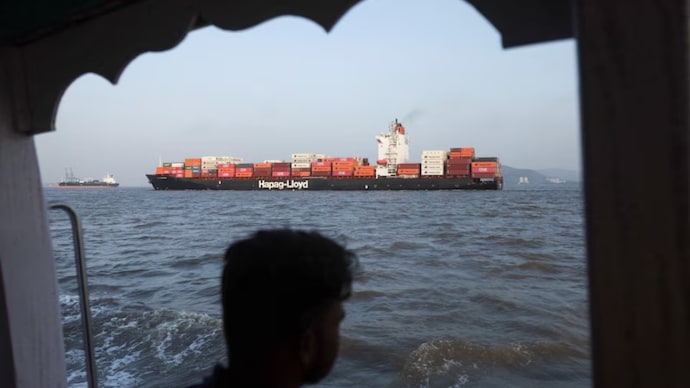
Before hostilities erupted in February, around 138 ships crossed the strait daily.(Photo: Reuters)

UPDATED: May 7, 2026 19:02 IST
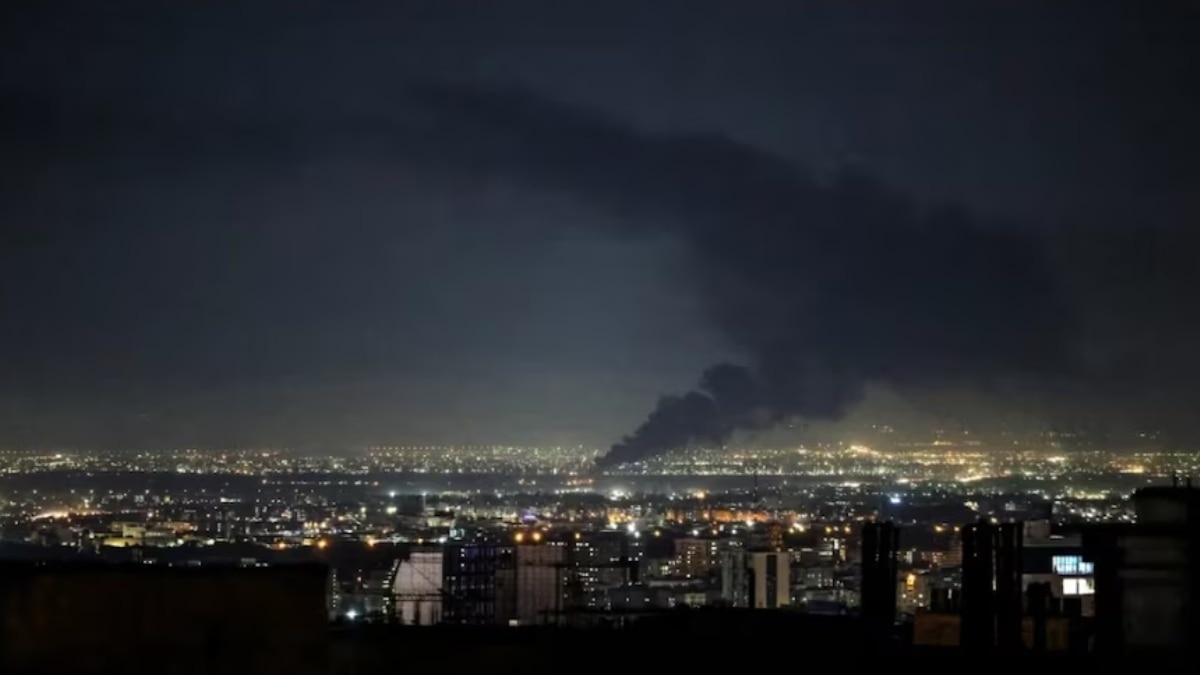
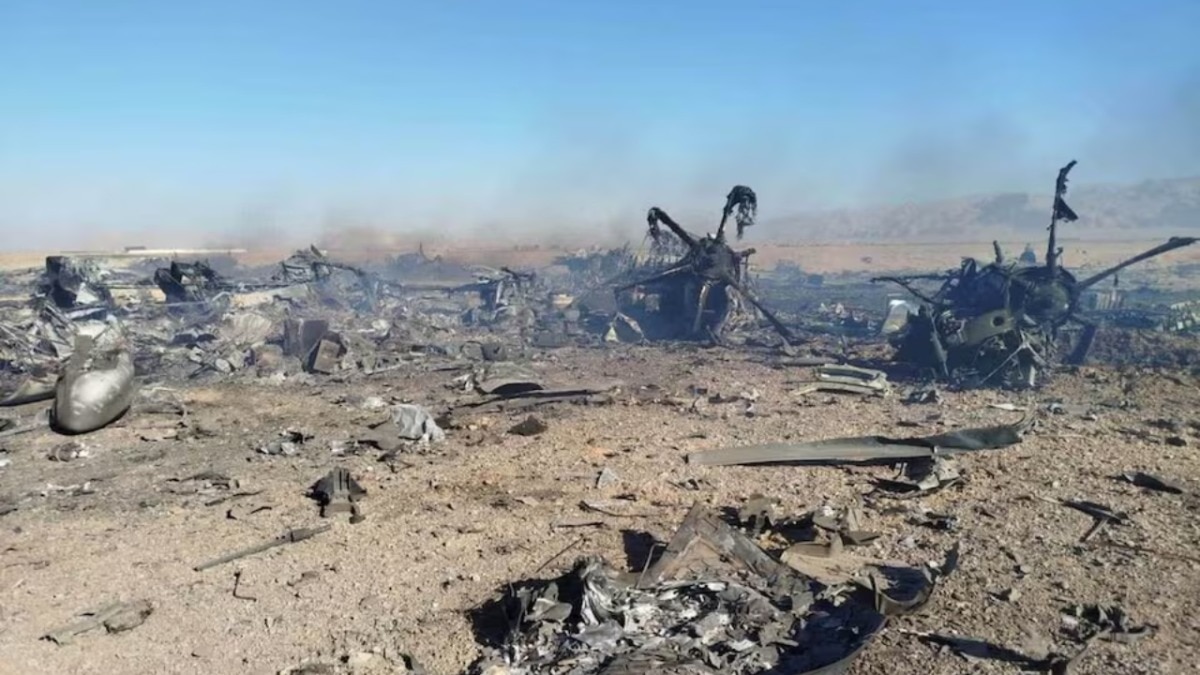
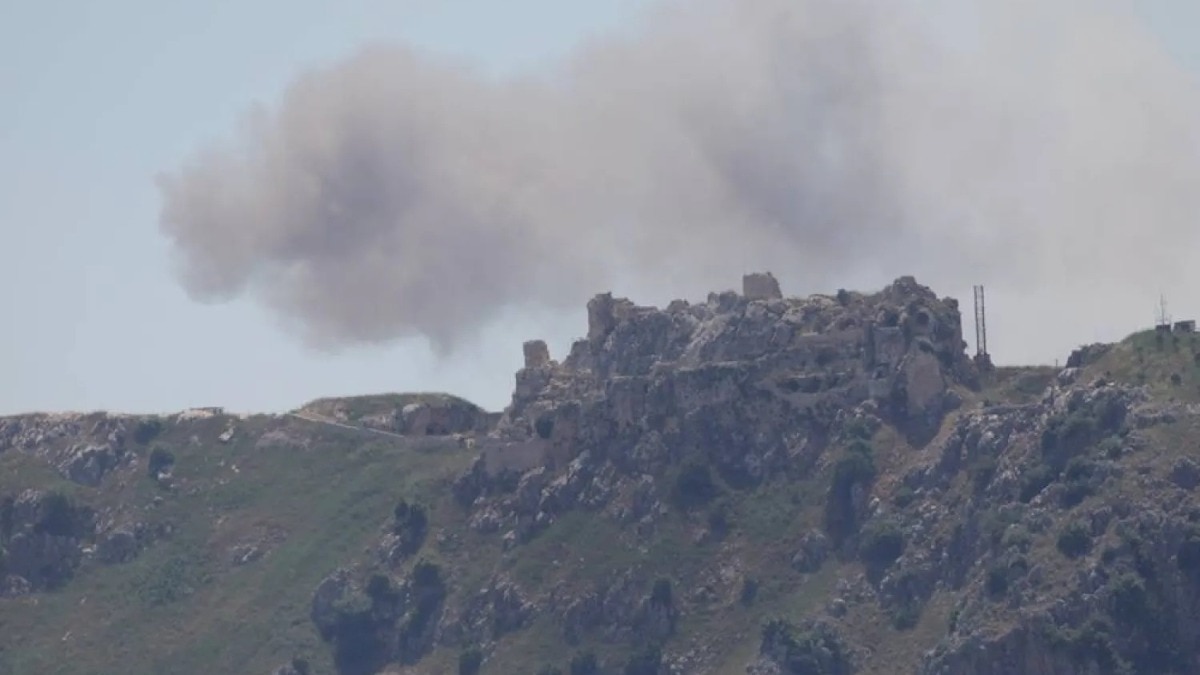
Missiles and drones exploded in the nightly sky. Indian sailors waited helplessly on stranded ships near the Strait of Hormuz. Food supplies ran low. Families back home had no idea if they were safe. What was once a busy trade route came to a standstill due to a naval blockade caused by the Middle East conflict.
Among them was Tithi Chiranjeevi, a 28-year-old sailor who spent over a month aboard an Iranian vessel caught in the crisis. He said nightly bombardments terrified him. "Around 10 to 20 missiles struck every night. No one could sleep," he told news agency Reuters after returning to India following a 15-day journey that took him through Iraq, Armenia and Dubai.
Chiranjeevi had spent six months working on the cargo ship Ilda, carrying construction materials to Dubai, when the Strait of Hormuz was suddenly blocked due to the conflict.
FOOD SHORTAGES, NO CONTACT WITH HOME
The vessel was among nearly 2,000 ships trapped near the narrow waterway, which typically carries about a fifth of global oil and liquefied natural gas supplies. Before hostilities erupted in February, around 138 ships crossed the strait daily, according to maritime data cited by Reuters. For many sailors, the crisis went beyond safety fears. Food supplies ran low, and communication lines broke down, cutting them off from their families back home.
Chiranjeevi said he lost touch with his widowed mother in Visakhapatnam as conditions worsened. "They (our families) were very concerned," he said.
Anant Singh Chauhan, another Indian sailor stranded on the same vessel, spoke about the mental stress as the situation worsened. "Sometimes, we used to feel we won't be able to make it back home," Chauhan said. At least three Indian sailors have been killed in the conflict.
COST OF SURVIVAL
India is one of the world’s largest suppliers of maritime workers, with a workforce estimated at around 300,000. The government has coordinated evacuation efforts, bringing back nearly 3,000 sailors from the Gulf region, including at least 23 in recent days.
However, the financial burden on individual workers has been severe. Both Chiranjeevi and Chauhan said they had taken loans at high interest rates to secure overseas jobs, paying about 450,000 each to recruitment agents.
With savings depleted during the crisis, many returned home with mounting debt but a sense of relief.
"It is like a rebirth for us," Chauhan said in Mumbai, standing near the Gateway of India.
US-IRAN TALKS SIGNAL LIMITED BREAKTHROUGH
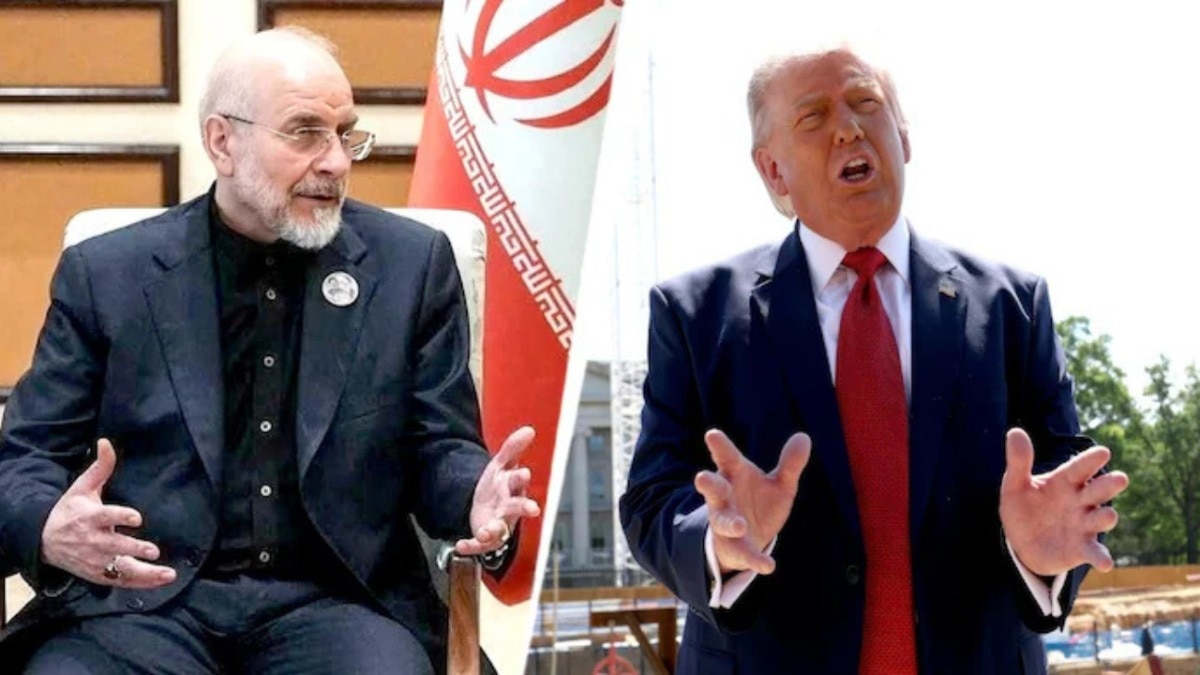
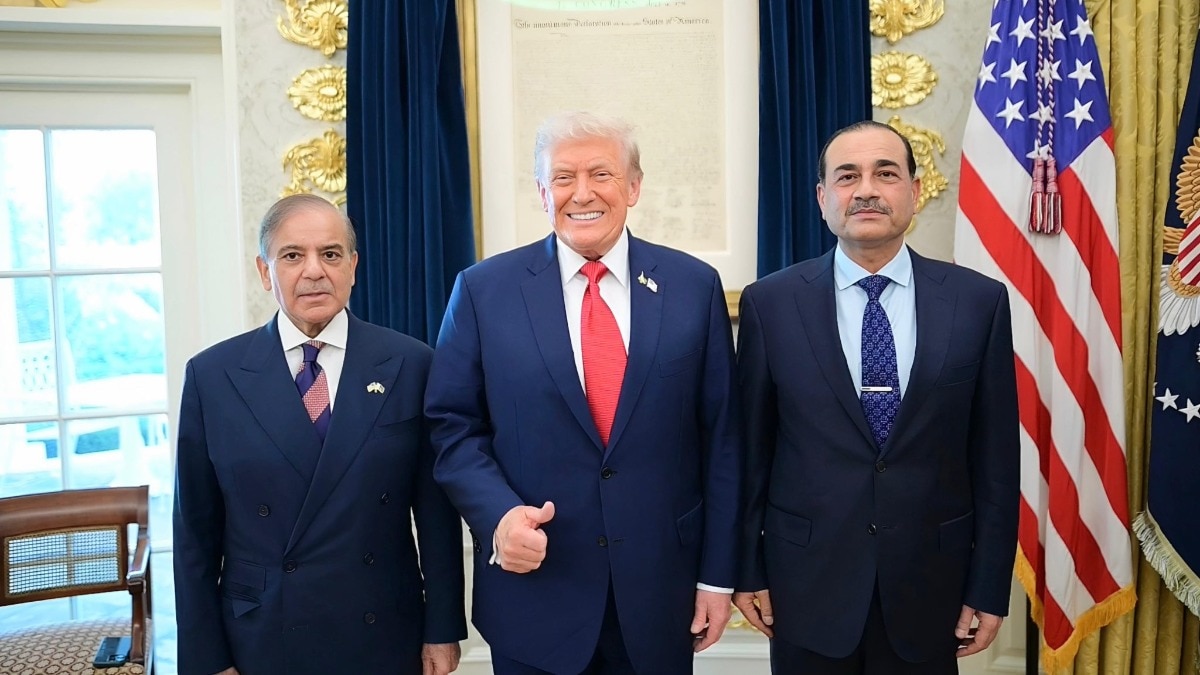
Amid the boiling tensions, diplomatic efforts to halt the conflict have gained momentum. The US and Iran are moving towards a limited, temporary agreement aimed at stopping hostilities. Under the plan, both sides would first formally end the war and ease naval blockade around the Strait of Hormuz. That would then open a 30-day window for talks on a broader settlement.
US President Donald Trump expressed optimism about the talks. "They want to make a deal it's very possible," he said, adding later that "it’ll be over quickly".
However, there are also indications that the two nations have failed to reconcile their differences despite positive developments. The proposed agreement also fails to meet the US requirement to stop Iran’s nuclear program.
- Ends
With inputs from Reuters
Published By:
Satyam Singh
Published On:
May 7, 2026 19:02 IST