1 month ago
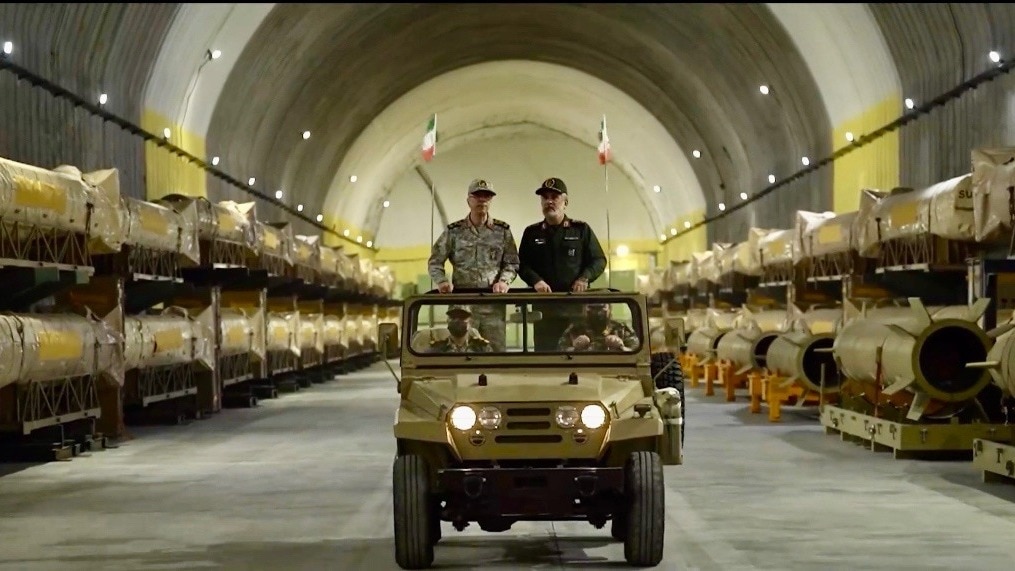
One missile. One deal. A complete shift in South Asia's air power balance. India's $1.2 billion R-37M acquisition doesn't just match the threat from China and Pakistan, it dismantles it entirely. Beijing and Islamabad should be worried.

UPDATED: Apr 29, 2026 20:27 IST
According to reports, India has just acquired a missile so powerful, it doesn't need to shoot down enemy fighter jets. Instead, it hunts the aircraft that make those jets deadly. The radar planes, the tankers, the flying command centres.
China and Pakistan should be worried about it.
Russia has cleared the export of approximately 300 R-37M ultra-long-range air-to-air missiles to India, in a deal worth 1.2 billion US dollars.
This isn't an upgrade. It's a game-changer. The R-37M, nicknamed Axehead, can lock onto a target and destroy it from over 350 kilometres away.
During Operation Sindoor in May 2025, Indian military planners walked away with a stark conclusion. According to reports, Pakistan's J-10C and JF-17 fighters, armed with Chinese PL-15 missiles, could engage Indian jets before India could even fire back. The R-37M doesn't just close that gap. It flips the entire equation.
Because here's what Pakistan and China depend on. A web of airborne radar planes, tankers, and flying command centres that see everything and coordinate every missile strike.
According to reports, along India's Himalayan frontier, the People's Liberation Army Air Force has been flying J-20 stealth fighters backed by Chinese airborne warning and control aircraft that give Beijing a commanding picture of the battlefield.
If India can force those platforms far from the frontline or destroy them outright, China's entire missile engagement doctrine starts to fall apart. Deliveries could begin within twelve to eighteen months. That's a compressed timeline. India isn't waiting for its own Astra Mk-2 or Mk-3 missiles to mature.
It needs this capability now. And Russia, facing fierce competition from Western arms suppliers, was reportedly ready to say yes.
The next war in South Asia may not be decided by who has more fighter jets or better pilots. It may be decided by who can first blind the other side.
And India just bought the weapon to do exactly that. The aerial balance across one of the world's most dangerous regions will never look the same again.
- Ends
Published By:
indiatodayglobal
Published On:
Apr 29, 2026 20:26 IST