 3 weeks ago
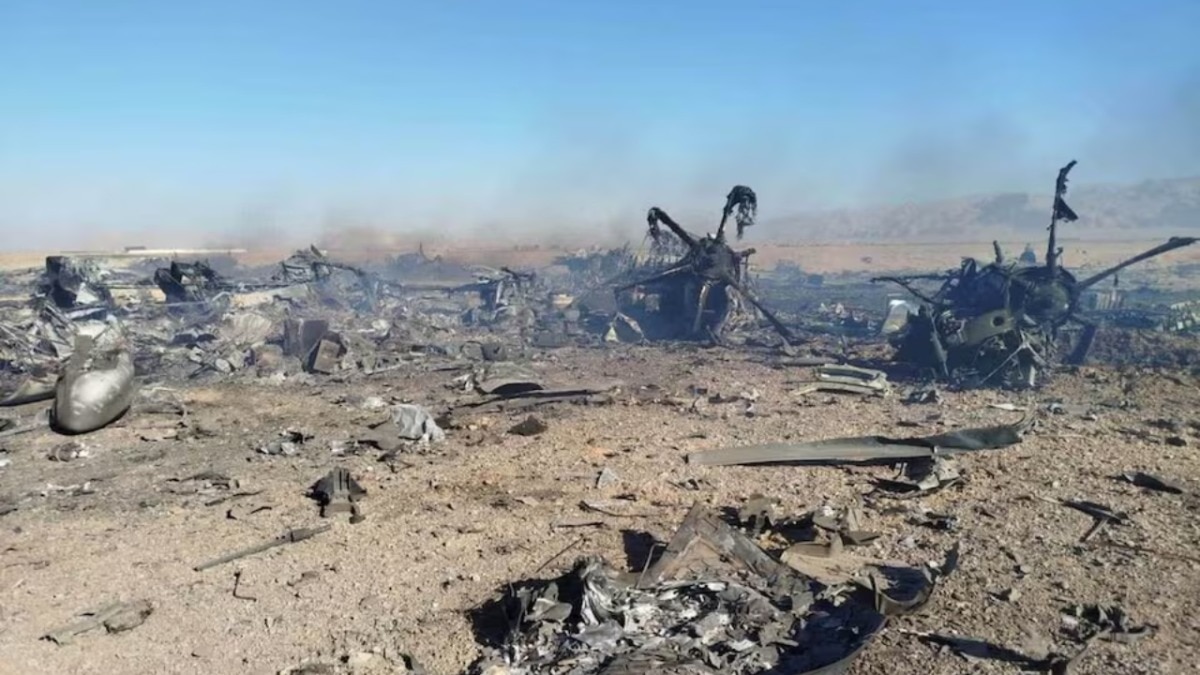
An analysis of Iranian satellite images revealed that 228 structures and pieces of equipment across 15 US military sites in the Gulf were destroyed or damaged. The findings suggest the damage was far wider and the strikes far more precise than previously reported.

New Delhi,UPDATED: May 7, 2026 12:51 IST
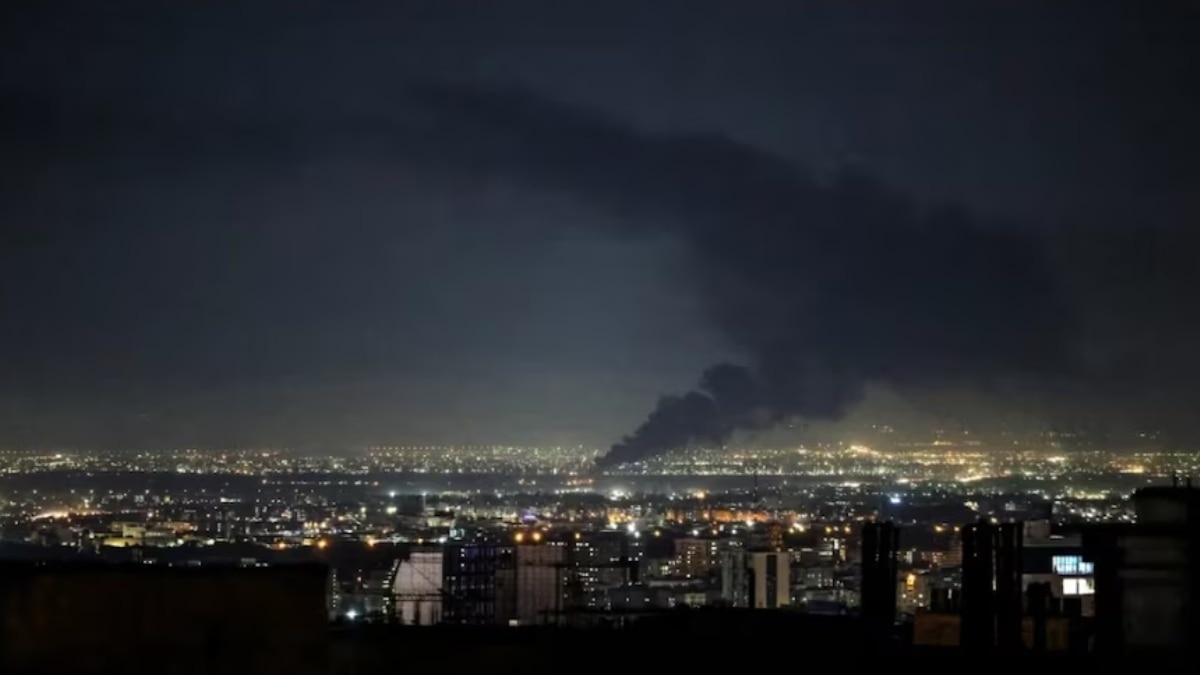
It turns out that Iran, even with its heavily depleted air and naval assets, wreaked far more havoc on US military sites than previously reported by the Trump administration. An analysis of more than 100 satellite images released by Iran since the start of the war by The Washington Post has revealed that at least 228 structures and pieces of equipment have been struck across 15 US military sites in the Gulf. It indicates significant damage for a technologically superior country like the US and suggests that the Trump team didn't anticipate such a devastating response from Iran.
The assets hit by Iran include hangars, barracks, fuel depots, aircraft, radar, communications and air defence equipment. The sheer impact of the strikes has even rendered some of the military sites virtually unusable. The war's price tag is expected to be closer to $50 billion so far, as per assessments by US officials.
SATELLITE IMAGES SHOW EXTENT OF US DAMAGE
The analysis provides by far the most extensive account of damages suffered by the US in its month-long war with Iran. So far, it was difficult to gauge the US's extent of damages as two commercial providers of satellite imagery of the Middle East (Vantor and Planet) were asked by the Trump team to delay or withhold their release, The Post reported.
Thus, the analysis is based on 128 high-resolution satellite images released by Iran. None of the images, however, were found to be altered.
Most of the damage occurred at the US's 5th Fleet headquarters in Bahrain and three bases in Kuwait - Ali Al-Salem, Camp Arifjan, the US Army's regional headquarters, and Camp Buehring. It included costly Patriot missile defence systems, a power plant and five fuel storage sites.
A satellite communications site at Al-Udeid Air Base in Qatar and THAAD radar systems in Jordan and the UAE were also destroyed.
In Saudi Arabia, an E-3 Sentry command and control aircraft was destroyed at the Prince Sultan Air Base. A refuelling tanker was also lost.
These, apart from the 40 drones and fighter jets that the US lost during combat, search operations, and "friendly fire". It includes 24 MQ-9 Reaper drones, sophisticated aircraft that can cost $30 million apiece, and the prized MQ-4C Triton, which costs around $200–240 million.
Four F-15E Strike Eagles, including three that were downed in Kuwait over what the US alluded to "friend fire", and one A-10 Warthog were also lost. Iran also claimed that an F-35 was shot down - the first known combat damage to a 5th-generation fighter.
STRIKES HIGHLY ACCURATE
The satellite images revealed that the Iranian strikes on over 200 structures were highly accurate, suggesting effective use of precision-guided munitions.
"The Iranian attacks were precise. There are no random craters indicating misses," Mark Cancian, a retired Marine Corps colonel, told The Post.
The targeting of barracks, hangars and warehouses suggested that it intended to inflict mass casualties. However, some of the strikes likely occurred after US troops had already left the bases. Soft targets, such as gyms, food halls and accommodation, were also hit.
However, Cancian also provided another theory. He said the US could have deliberately allowed some of the damage to deceive Iran or preserve valuable interceptors rather than using them to engage cheap Shahed drones. "US forces may have chosen to allow an incoming missile to strike if it seems likely to hit an unimportant target," he said.
Since the conflict began on February 28, at least seven US service members have been killed - six in Kuwait and one in Saudi Arabia - while around 400 troops are believed to have been injured.
THE COST OF IRAN WAR
Overall, it underlines the US's tactical shortfalls that allowed Iran to do more damage than they would have otherwise. The targets chosen by Iran were not random. Advanced radar and communications systems are expensive and difficult to replace.
In fact, the cost of rebuilding US military installations and replacing destroyed assets is expected to be around $40-50 billion, CNN reported.
Repairs to the 5th Fleet headquarters itself are likely to cost $200 million alone, a US Congress member told The New York Times.
Against this backdrop, the $25 billion estimate submitted by the Pentagon to lawmakers as the cost of the Iran war seems way off the mark. The Pentagon has already sought a $1.5 trillion budget for 2027- a 42% increase from the previous year.
- Ends
Published By:
Abhishek De
Published On:
May 7, 2026 12:51 IST