1 month ago
Last Updated:March 04, 2026, 10:54 IST
The Iran-Israel war has become a battle of stockpiles---a “salvo competition” where each side rapidly fires off precision weapons and watches inventories shrink


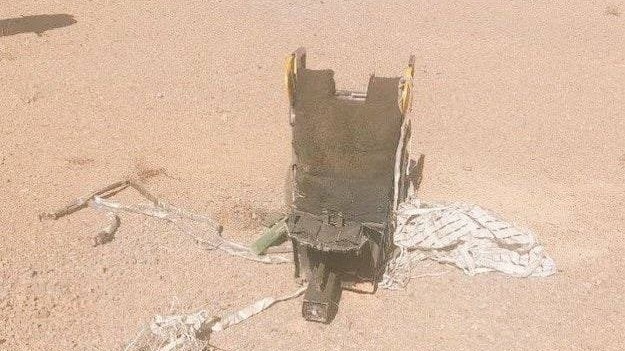
Pieces of missiles and drones recovered after Iran’s strikes are displayed during a press briefing by the UAE government held in Abu Dhabi. (AFP)
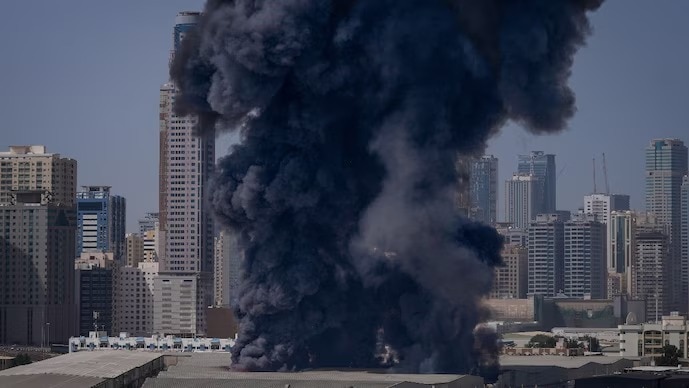
The war that erupted after the United States and Israel carried out joint strikes on Iran has, in a short span of time, turned into a war of attrition where analysts believe the outcome may hinge not just on battlefield victories but on who has deeper ammunition reserves and can sustain fire the longest.
According to defence experts quoted by The Guardian, the latest phase of the war might be decided by something far more mechanical—how many missiles, interceptors and drones each side has, and how fast those inventories get depleted.
Cheap Drones Vs Expensive Interceptors
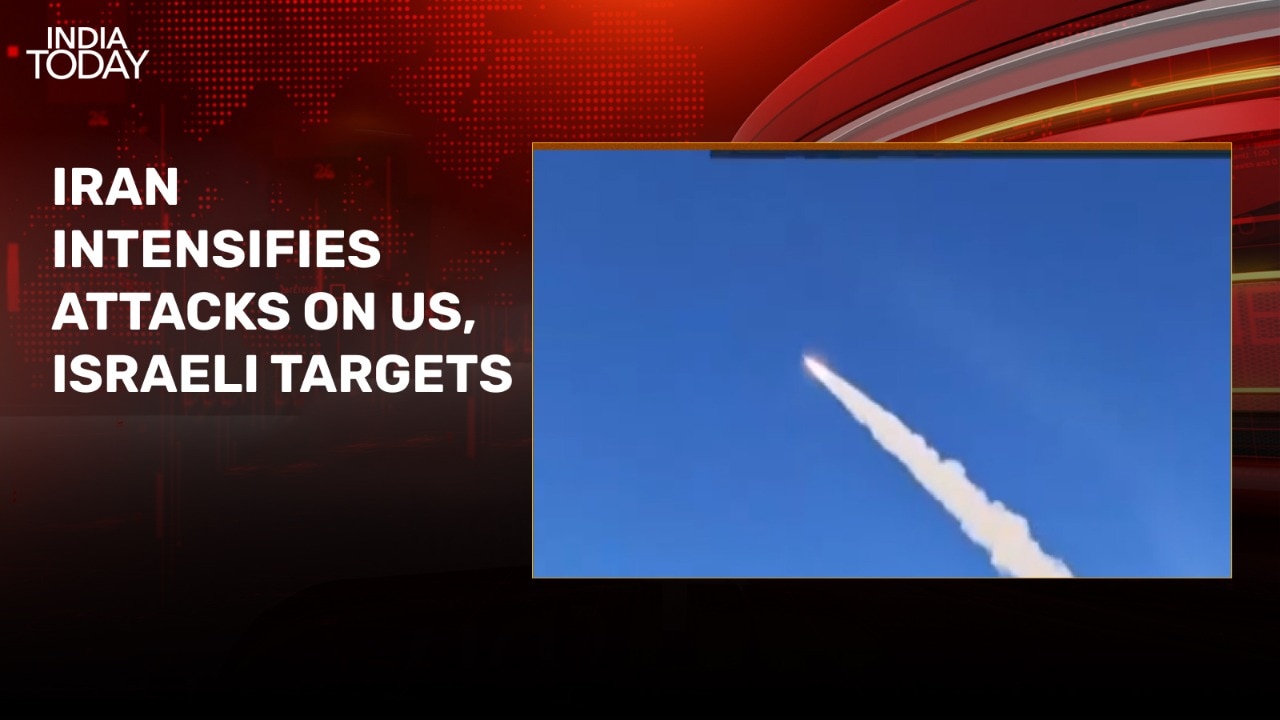
According to Gulf News, a central part of the dynamic is what analysts call “missile math". Iran has been firing large numbers of relatively inexpensive attack drones, such as the Shahed series, each costing roughly $20,000-$50,000.
In contrast, defenders like the United States, Israel and Gulf allies must use high-end interceptor missiles to shoot them down. For example, Patriot PAC-3 interceptor missiles can cost roughly $4 million each, according to US officials and regional reports. Other interceptor types like THAAD can cost even more at around $12 million per missile, NDTV reported.
This creates a stark economic imbalance: Iran can launch waves of cheap drones that force defenders to expend vast numbers of costly missiles just to keep the skies clear.
Who Runs Out First?
Defence analysts speaking to The Guardian said the Iran-Israel war has become a battle of stockpiles—a “salvo competition" where each side rapidly fires off precision weapons and watches inventories shrink.
They believe that Iran’s drones and missiles are designed to stretch defenders’ supplies thin, not necessarily to win air superiority outright. While the Gulf states and US partners are intercepting drones and missiles, the speed of consumption far exceeds the pace of production for expensive interceptors.
According to Bloomberg, one defence expert described the conflict as a race between Iran’s missile launches and drone swarms, and US and allied strikes on those launch capabilities. This essentially means how quickly defenders can degrade Iran’s ability to fire more weapons.
Because Iran’s drones are cheap and easy to produce, they present a numbers game: each round of strikes can force defenders to spend millions to counter what Tehran can launch for a fraction of the cost, The Economic Times reported.
Why Are Interceptor Stocks Strained?
It’s not just about the number of interceptors already in stock but also about how quickly they can be replaced or produced.
To begin with, modern interceptor missiles are complex and costly to build, and production rates are limited. Defence officials warn that consumption rates in the Middle East now rival or exceed inventories not just there, but globally, including systems reserved for other theaters like Europe or the Indo-Pacific.
Even US officials have acknowledged the possibility that if the conflict drags on, missile supplies could become a decisive constraint, ET reported.
What Does This Mean In War?
According to The Guardian, if interceptor missiles and defence munitions start to run dangerously low, defenders may face gaps in air defence coverage, potentially forcing them to adopt different tactics or reduce offensive pressures.
Also, countries reliant on US interceptors, including Gulf states, may push for a de-escalation or negotiated pause to avoid exhausting critical stocks.
However, conversely, if Iran’s own stocks of missiles and drones diminish faster than expected, its capacity to sustain attacks could be weakened, potentially creating pressure within Tehran to adjust strategy, The Atlantic reported.
Some analysts argue that in this kind of attritional warfare, victory isn’t just a battlefield outcome but a logistical one where industrial capacity and reserve depth matter as much as military tactics.
First Published:
March 04, 2026, 10:54 IST
News explainers Missile Math: How Weapons Shortages Could Shape The Israel-Iran War
Disclaimer: Comments reflect users’ views, not News18’s. Please keep discussions respectful and constructive. Abusive, defamatory, or illegal comments will be removed. News18 may disable any comment at its discretion. By posting, you agree to our Terms of Use and Privacy Policy.
Read More