2 weeks ago
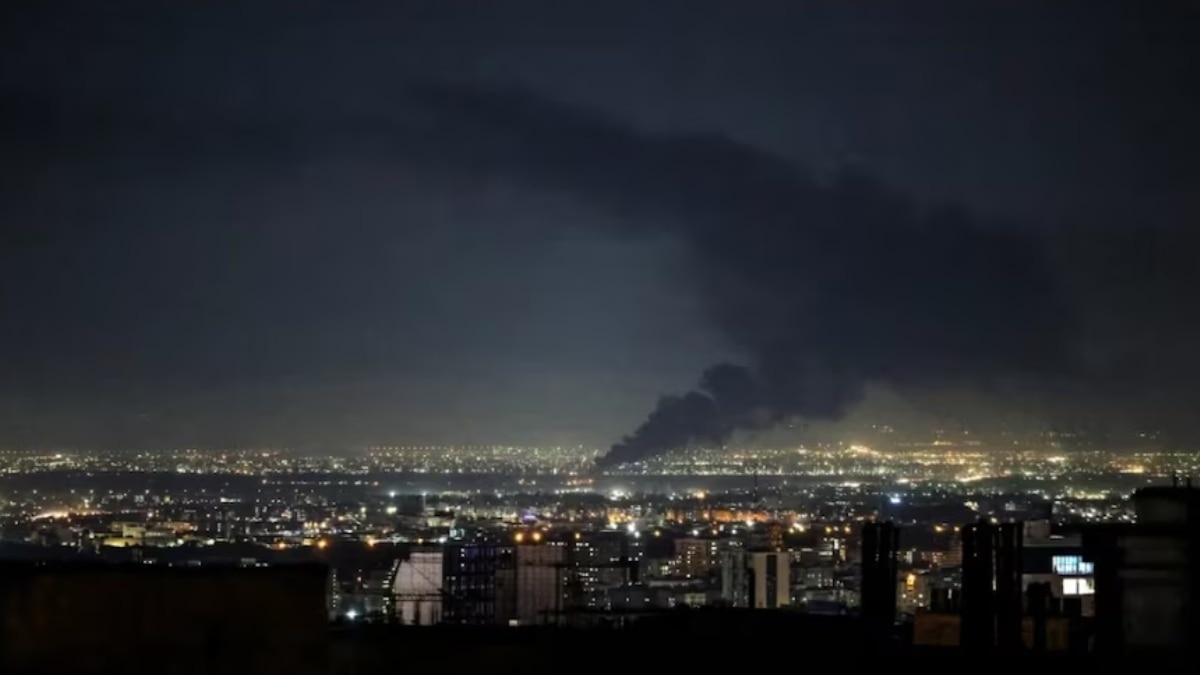
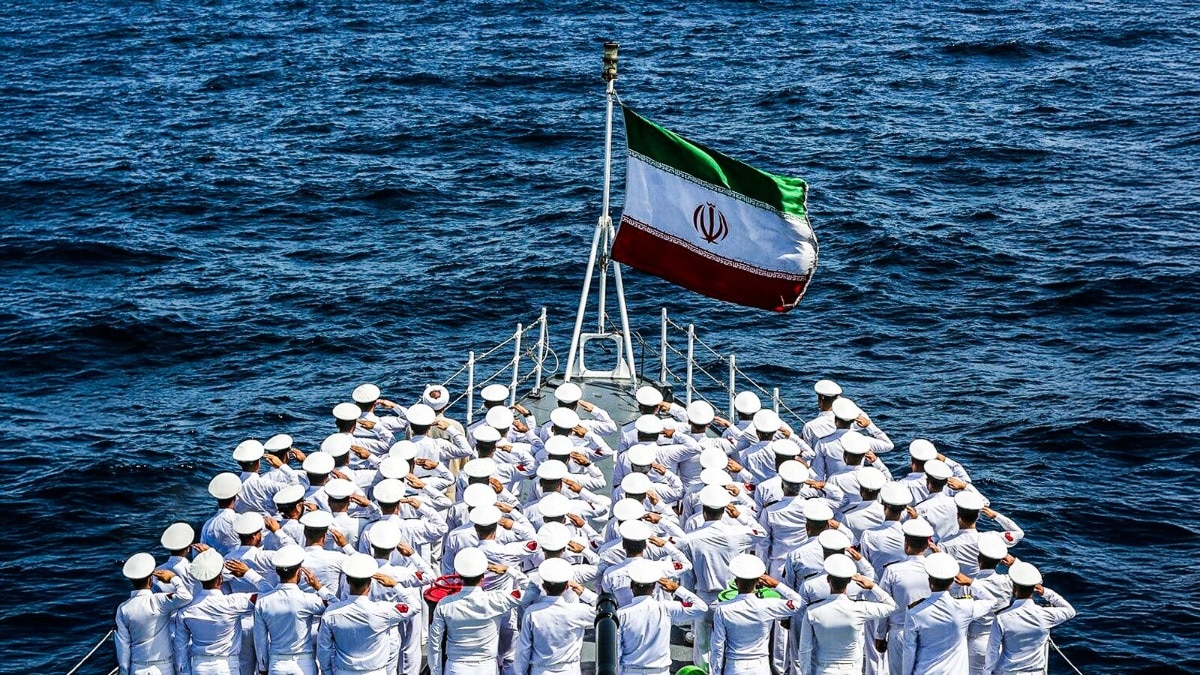
Saudi Arabia's refusal to back Trump's Hormuz military plan has exposed growing cracks with Washington, while widening tensions with the UAE over Iran, oil routes and the future balance of power in the Gulf.
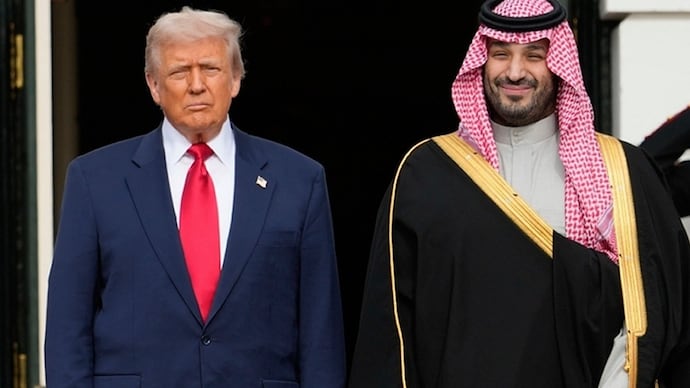
President Donald Trump with Saudi Arabia's Crown Prince Mohammed bin Salman during his White House visit in November 2025. (AP/ file)

New Delhi,UPDATED: May 12, 2026 08:53 IST
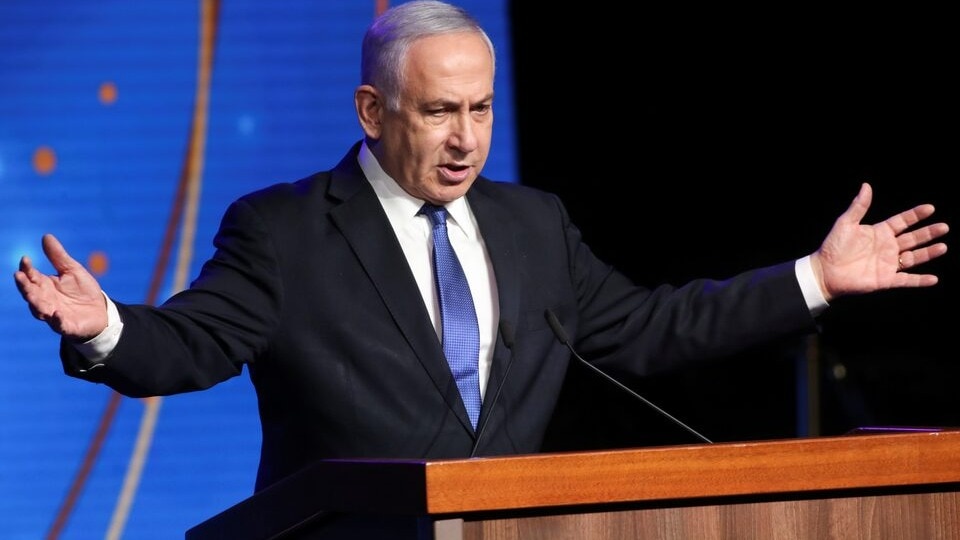
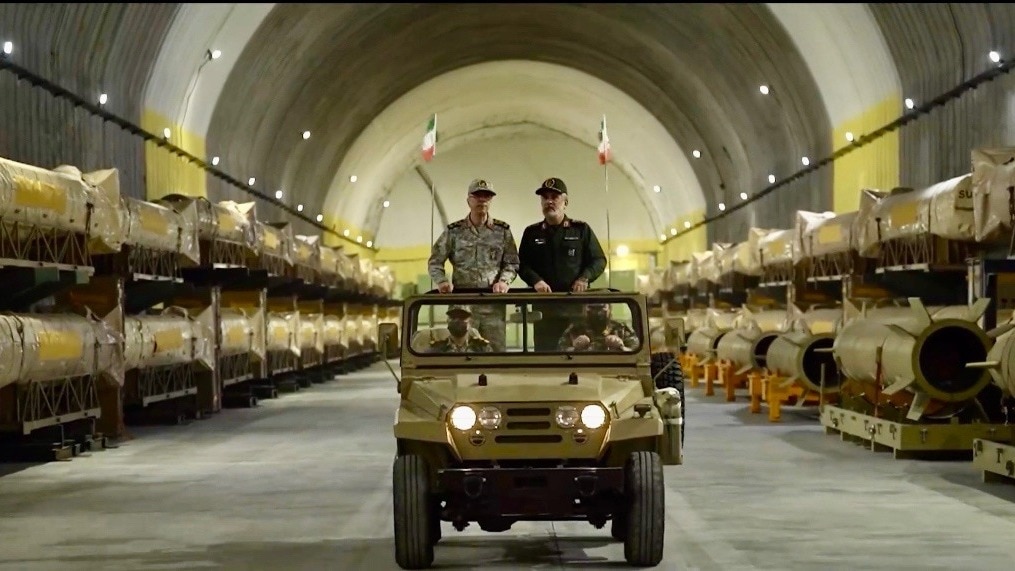
Amid the deadlock in the Strait of Hormuz, Saudi Arabia -- long considered one of the US’s closest and oldest allies in the region -- is now striking a different tune from the White House. In a bombshell revelation, Saudi royal Prince Turki Al-Faisal has claimed that the US-Israeli war on Iran was part of Benjamin Netanyahu’s calculated and repeated attempts to ignite a conflict between Riyadh and Tehran.
That, Prince Turki wrote in the state-owned Arab News over the weekend, was a pill Saudi Arabia refused to swallow time and again.
Contrary to the popular belief that Riyadh had been pressing the panic button in Washington DC for Trump to put boots on the ground in Iran, it is Saudi Arabia that has now denied the US access to its airspace and bases for Project Freedom -- the plan to militarily escort oil tankers through the Strait of Hormuz.
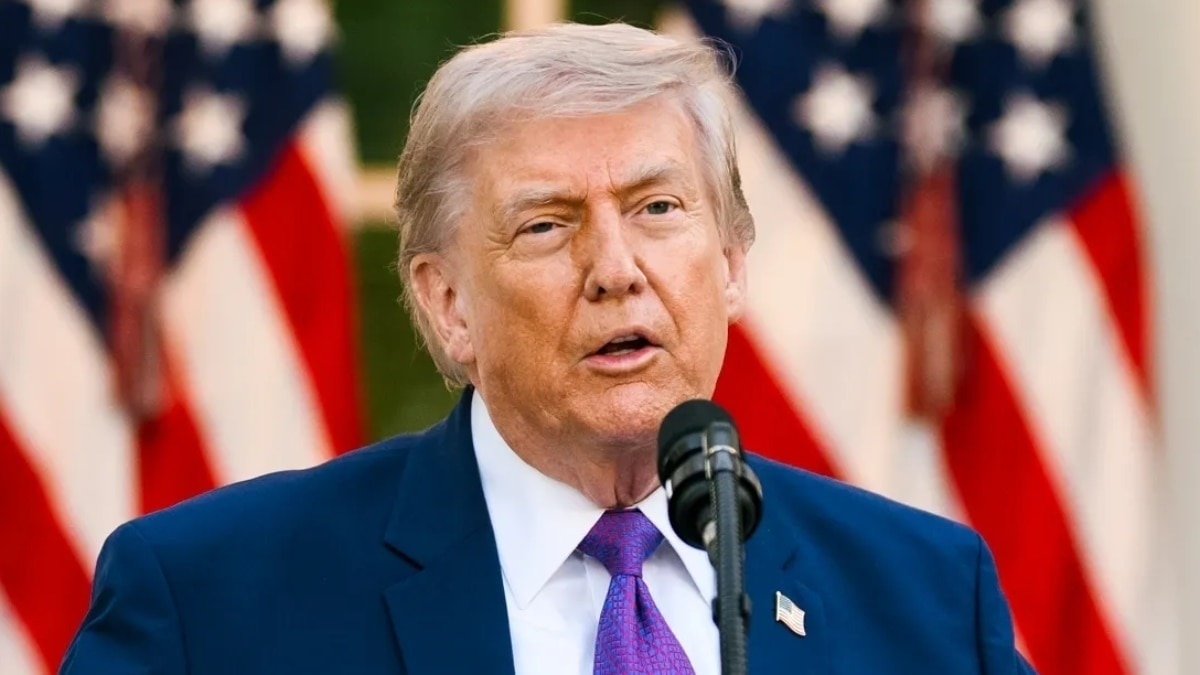
Saudi's move eventually forced US President Donald Trump to shelve the initiative after a last-ditch phone call to Crown Prince Mohammed bin Salman failed to change Riyadh’s position, NBC News reported.
In his piece, Prince Turki went on to outline that it had always been Saudi Arabia’s position to prevent a US-Israeli war on Iran from the very onset.
In fact, Prince Turki -- who also served as Saudi Arabia’s former intelligence chief -- told CNN a week after the war began: “This is Netanyahu’s war.” “He somehow convinced the president (Trump) to support his views,” he added.
“When Iran and others tried to drag the Kingdom into the furnace of destruction, our leadership chose to endure the pains caused by a neighbour in order to protect the lives and property of its citizens,” Prince Turki wrote in Arab News, defending the crown’s decision to stay away from Trump’s plans to militarily escort stranded vessels out of Hormuz.
The former intelligence chief argued that the kingdom was fully capable of retaliating against Iran by targeting its facilities and interests. But such a response, he warned, could also have invited devastating strikes on Saudi oil infrastructure and desalination plants along the Arabian Gulf coast -- and even targets deep inside the kingdom.
After the fallout of Project Freedom -- seen as a successor to the US-Israeli joint ‘Operation Epic Fury’ -- a Saudi diplomat told The Guardian that the US had landed itself in a quagmire, unable to either escalate or exit. And therein lay the stalemate with Iran over the Strait of Hormuz.
When Trump attributed his U-turn on Project Freedom to progress in talks with Iran, he remained mum on Saudi Arabia’s rejection.
Beyond the reasons outlined by Prince Turki, Riyadh was also worried about the Houthis entering the conflict if Project Freedom went ahead. Saudi officials feared that could trigger the closure of another critical chokepoint -- the Bab-el-Mandeb in the Red Sea.
That would have further battered the Saudi economy, already hit hard after the closure of the Strait of Hormuz disrupted oil exports. Any disruption in Bab-el-Mandeb would have been disastrous for the kingdom, as it could have blocked the remaining exports moving through its western ports via the Red Sea route.
In contrast, Saudi Arabia’s neighbour, the UAE, has been making bolder moves. Unlike Saudi Arabia, the UAE -- not blessed with an alternative Red Sea route -- has struggled to export much of its oil through the Fujairah pipeline on its east coast. That partly explains why the UAE, unlike Saudi Arabia, was on board with Project Freedom and was subsequently bombed by Iran.
In fact, the Emirates also reportedly tried bypassing Iran’s blockade in the Strait of Hormuz by turning off their transponders in the hope of going dark.
Riyadh’s intervention to stop Trump from militarily escorting stranded vessels through the Strait of Hormuz is expected to further strain Saudi-UAE ties.
Saudi Arabia already has standing disputes with the UAE over Yemen, Somalia and Sudan. This latest fallout over Project Freedom is bound to further complicate ties between Riyadh and Abu Dhabi.
Frustrated by Saudi caution, the UAE has already walked out of the Saudi-dominated OPEC and is now reportedly deliberating leaving the Arab League as well.
Summing up the situation, entrepreneur Arnaud Bertrand said in a viral post that Saudi Arabia was now trying to “balance and position” itself on the winning side -- “at least strategically, by saying they didn’t take the bait” -- or justify domestically why it absorbed Iranian strikes without retaliating.
- Ends
Published On:
May 12, 2026 08:53 IST