1 month ago
The Trump administration is considering a $100,000 fee for international graduates using OPT to work in the US. Alongside a new four-year stay rule, the move points to tighter oversight and higher uncertainty for students.
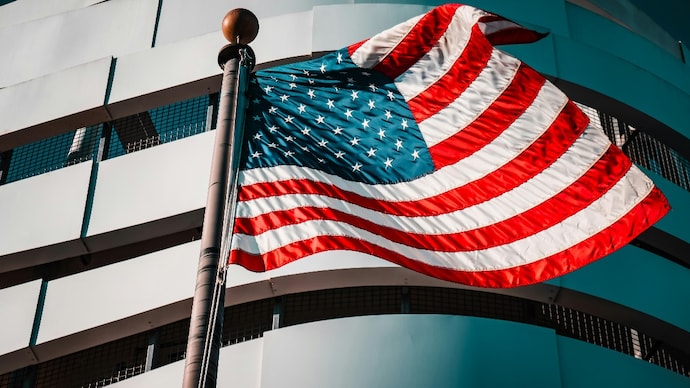
The US is weighting a proposal that would require international students to pay a hefty sum of $100,000 fee to work in the country after completing their studies. (File Photo)
The American Dream has long brought millions of international students to the United States, where world-class universities, advanced research opportunities and the possibility of a bright career after graduation have made it a top study destination. That, however, could soon become more expensive in coming days. The Donald Trump administration is reportedly considering a $100,000 fee for graduates who want to work in the country after completing their studies.
According to The Wall Street Journal, the US is weighting a proposal that would require international graduates to pay a hefty sum of $100,000 fee to work in the country after completing their studies. At the same time, it has finalised new visa rules that would limit how long international students can stay in the country without seeking government approval.
While neither change has fully taken effect yet, it certainly signals a tougher approach towards international students who wants to study and work in the US.
WHAT IS THE $100,000 PROPOSAL?
The proposed fee would apply to a programme called Optional Practical Training (OPT).
If you're unfamiliar with OPT, think of it as the bridge between college and your first job in the US. Currently, most international students studying on F-1 visas can stay back after graduation and work in their field of study for up to one year. Students in science, technology, engineering and mathematics (STEM) courses can usually work for up to three years.
This period helps graduates gain work experience, build their careers and, in many cases, move on to an H-1B work visa. Now, the Trump administration is considering attaching a $100,000 price tag to this opportunity.
The proposal is still being discussed inside the Department of Homeland Security (DHS), and no final decision has been made. Officials have also not decided whether students themselves or the companies hiring them would have to pay the fee.
Still, if approved, it would become one of the biggest financial barriers ever proposed for international graduates seeking jobs in the US.
WHY DOES THIS MATTER?
For many students, studying in the US isn't just about earning a degree. The ability to work after graduation is often a big reason families invest lakhs -- sometimes crores -- of rupees in an American education. Working through OPT allows graduates to recover part of that investment, gain international experience and improve their chances of securing long-term employment.
A $100,000 fee could make employers think twice before hiring international graduates. If companies are expected to pay the amount, they may prefer American candidates instead. If students are required to pay it themselves, many simply may not be able to afford it.
That is why universities and education experts believe the proposal could make the US a less attractive destination for international students. Around 419,000 international graduates were working under the OPT programme in 2024.
THERE'S ANOTHER BIG CHANGE
The proposed OPT fee isn't the only development students should know about. The US government has also finalised a rule that changes how long international students can remain in the country while studying. For decades, students entered the US under a system called "duration of status".
In simple terms, this meant you could stay in the country for as long as you remained a full-time student and followed the rules of your visa. There was no fixed end date for your stay.
That system is now set to end.
Under the new regulation, most international students will receive permission to stay in the US for up to four years. If your degree, PhD, medical programme or research takes longer than that, you won't automatically be allowed to stay in the country. Instead, you'll have to apply to the Department of Homeland Security for an extension before your authorised stay expires. The same rule will also apply to many exchange visitors and foreign journalists working in the US.
The regulation must still go through congressional approval before it officially comes into force.
WHY IS THE US MAKING THESE CHANGES?
The Trump administration says the new measures are meant to strengthen oversight of the immigration system and improve national security.
"No policies should be considered final until formally announced. At DHS, we are always having conversations about how to use all tools in our arsenal to protect the integrity of our legal immigration system," a DHS spokesperson said.
The administration has introduced several immigration measures over the past year, including stricter checks on student visas and changes to the H-1B work visa system. Officials are also working on broader changes to the OPT programme, with more proposals expected later this year.
WHAT COULD THIS MEAN FOR INDIAN STUDENTS?
Indian students are among the largest international student groups in the United States, with over 3.3 lakh currently enroled.
For those planning to study in America, the latest proposals don't mean they should change their plans immediately. The $100,000 OPT fee is still only a proposal, and the new four-year visa rule has not yet taken effect.
However, the direction of US immigration policy is becoming clearer.
The path from earning a US degree to building a career there may become more expensive, more regulated and less predictable than it has been in recent years.
- Ends
Published By:
Satyam Singh
Published On:
Jul 31, 2026 00:35 IST