3 weeks ago
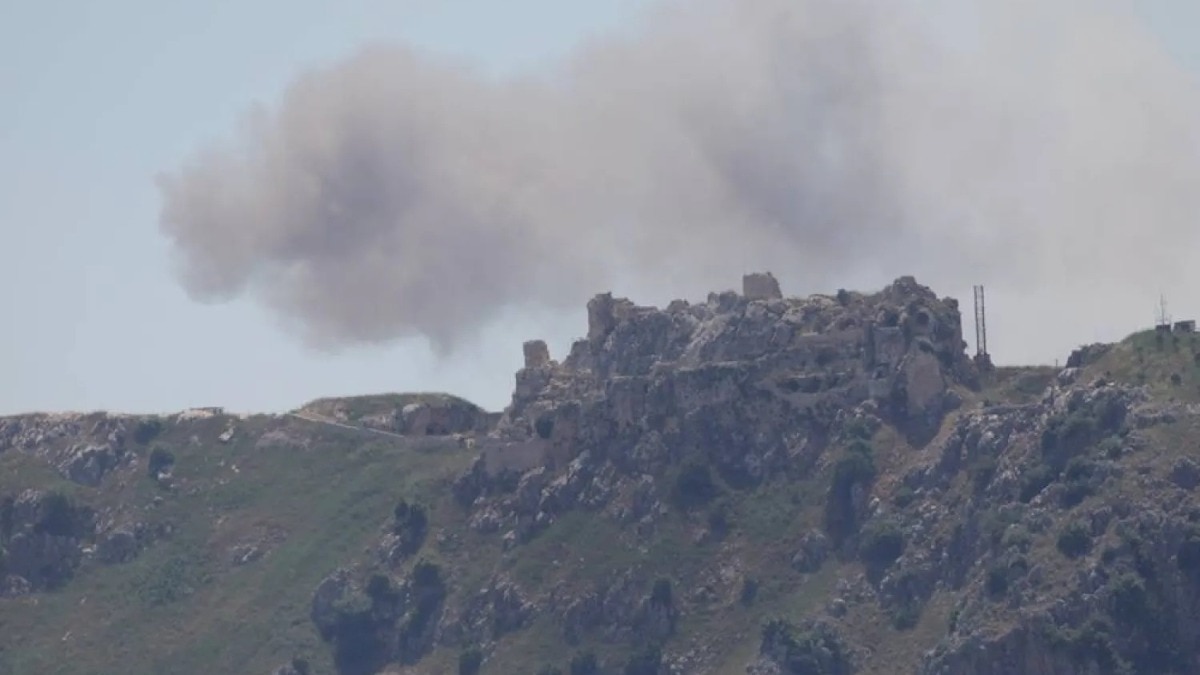
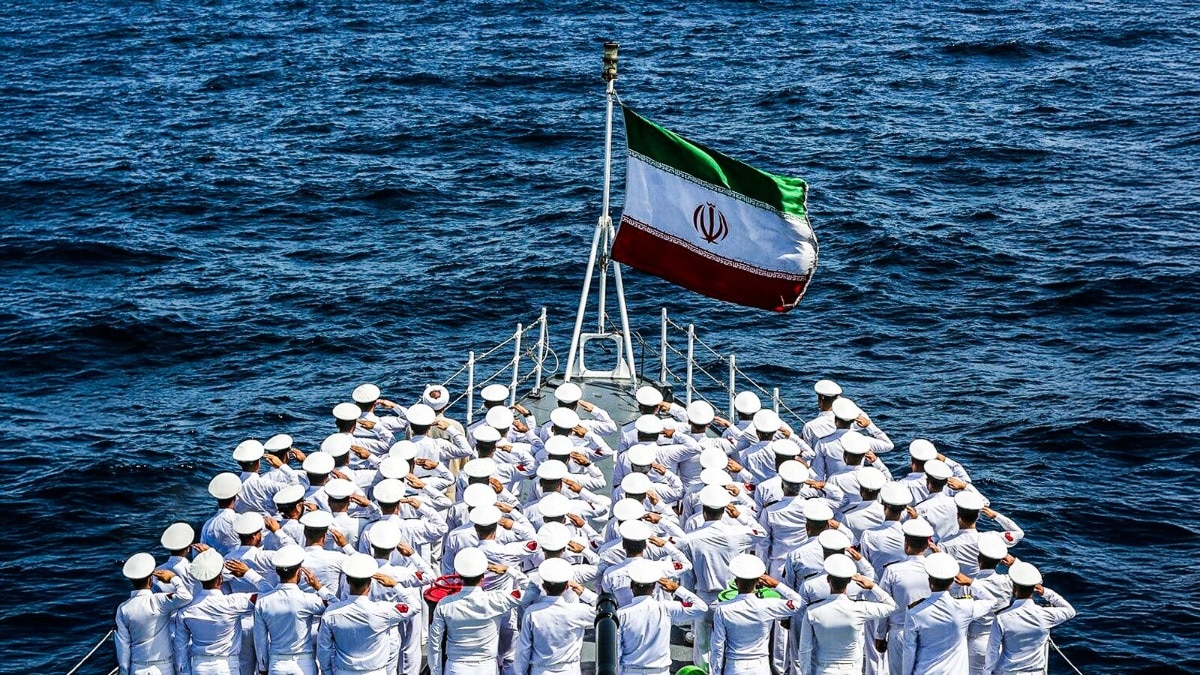
The pause in "Project Freedom", aimed at pressuring Iran to agree to a deal to end the war, came just a day after it began. The plan involved guided-missile destroyers, more than 100 aircraft, and 15,000 US troops.
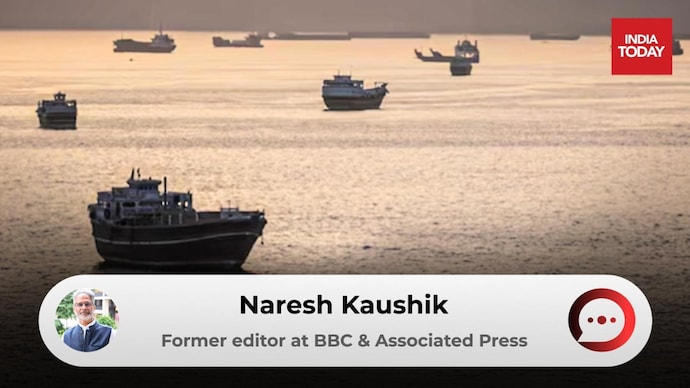
Trump's decision to pause Project Freedom came just a day after it began.
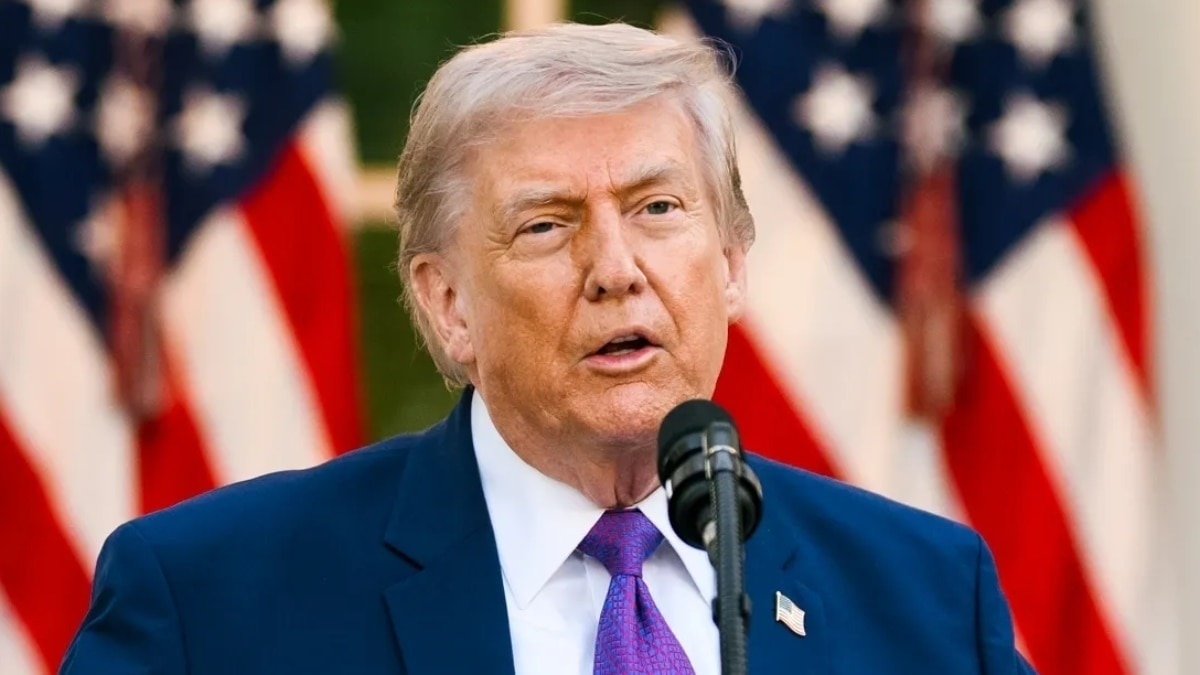
In an abrupt U-turn on Tuesday night, Donald Trump announced that he was suspending the US military plan to escort commercial ships out of the Strait of Hormuz, following what he called “great progress” in talks to end the war.
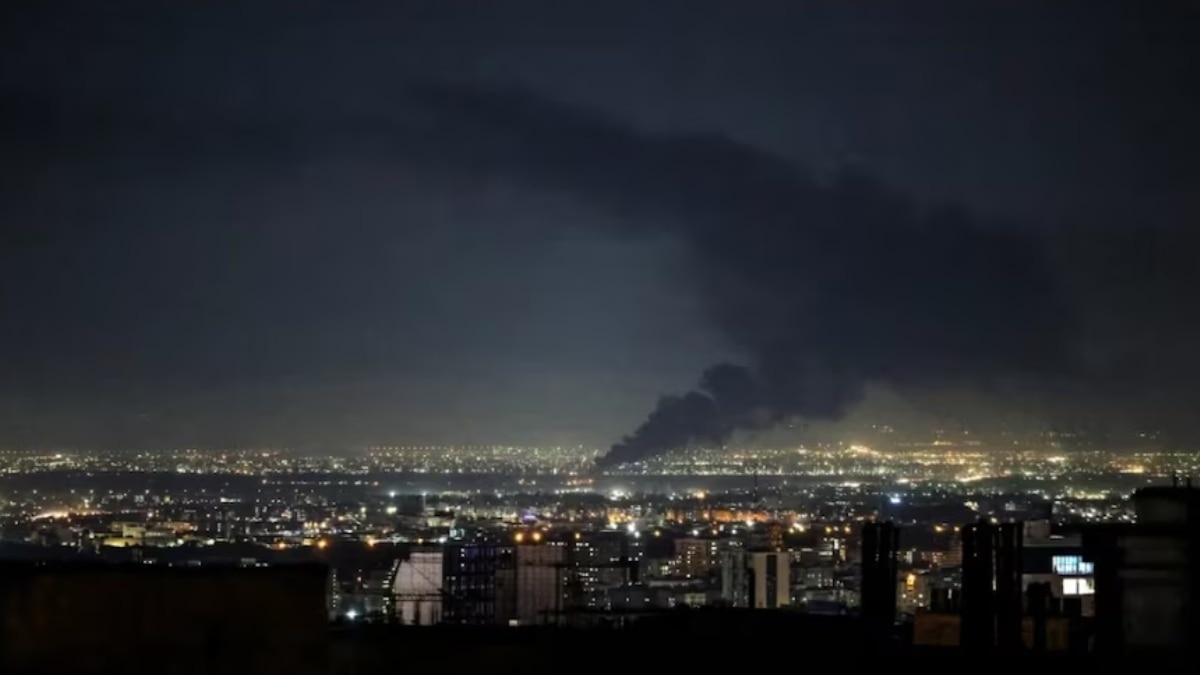
The pause in “Project Freedom” — aimed at pressuring Iran to agree to a deal to end the war — came just a day after it began. The plan involved guided-missile destroyers, more than 100 aircraft, and 15,000 US troops. But Iran was undeterred by this threat and responded on the first day of the plan with a dozen missile strikes on the United Arab Emirates (UAE). The blockade continued.
So, Trump’s announcement of a pause to the military plan and claims of progress in talks came as a relief to global markets. Stocks jumped, and oil prices fell on Wednesday after US media reported that the White House believed it was close to an agreement with Tehran on a one-page, 14-point plan.
The deal, if agreed, would see Iran commit to a moratorium on nuclear enrichment, the US agree to lift its sanctions and release billions of dollars in frozen Iranian funds, and both sides lift their blockade of the Strait of Hormuz, according to reports.
Market enthusiasm was also bolstered by the Iranian foreign ministry's acknowledgement that the government was reviewing the US plan. French President Emmanuel Macron also sought to build on this enthusiasm, saying he had held talks with his Iranian counterpart, Masoud Pezeshkian, on the safe transit of vessels through the Strait. More than 1,500 ships have been stuck due to the blockade, which began after the US and Israel attacked Iran.
IRAN’S REAL RULERS
But President Pezeshkian is not the one making decisions about the conflict in Iran. Although he is Iran’s top elected politician, his power has been limited, especially since the war. The real power lies with the Iranian Revolutionary Guards Corps and other hardliners, such as Iran’s security committee. Both issued uncompromising statements following Trump’s announcement.
A member of that committee described the US plan as a list of “American wishes”. The IRGC said safe passage through the Strait of Hormuz would be possible after the end of “threats from aggressors” and the introduction of “new procedures”.
Iran’s foreign ministry spokesman Ismael Baghaei, indicated that Iran didn’t trust the US. He said negotiations required “at the very least, a genuine attempt to engage in discussions with a view to resolving the dispute”, and “good faith”, meaning that “negotiations” are not disputation, dictation, deception, extortion, or coercion. These statements suggest Trump’s latest proposal to end the war is unlikely to succeed.
WHY IRAN’S HOLD OF THE HORMUZ WILL STAY
As the IRGC statement makes clear, Iran is unlikely to compromise on the Strait of Hormuz. The war has given Iran a trump card that it’s not going to give up. By blocking the Strait, Iran has kept 20 per cent of the global oil, gas, and critical commodities such as helium, aluminium, and urea trapped inside the Gulf, threatening the entire world economy.
This chokehold is worse than the 1973 oil embargo imposed by Arab members of OPEC following the outbreak of war with Israel in October of that year. For example, airlines have cancelled 13,000 flights worldwide this month. German carrier Lufthansa has so far taken the most aggressive step, cutting a total of 20,000 short-haul services from its summer schedule.
This is due to the doubling of jet fuel prices because of the blockade. In the US, petrol prices are already up by nearly 30 per cent since the war.
TRUMP HAS ONLY BAD OPTIONS LEFT
Iran has said Trump must lift its blockade if it wants free navigation through the Strait and any deal. But his lifting of the US restrictions will be an admission of defeat and a loss of further leverage over Iran. Tehran wants a comprehensive deal to end the conflict. But negotiating that deal will prolong the blockade and further deepen the crisis for global energy and other vital supplies that pass through the waterway.
Trump has repeatedly threatened to resume attacks on Iran. But the Islamic Republic knows how unpopular the war has become in the US, making it politically difficult to resume military operations. Even members of his Republican Party have increasingly spoken against it.
Since the ceasefire, Iran has attacked US forces more than 10 times, according to General Dan Caine, the chairman of the Joint Chiefs of Staff. However, Caine added that the attacks were “all below the threshold of restarting major combat operations at this point”. This suggests Trump is not ready to respond to Iran’s provocations.
This is another example of how weak the war has left the US president.
REDUCED WEAPONS STOCK
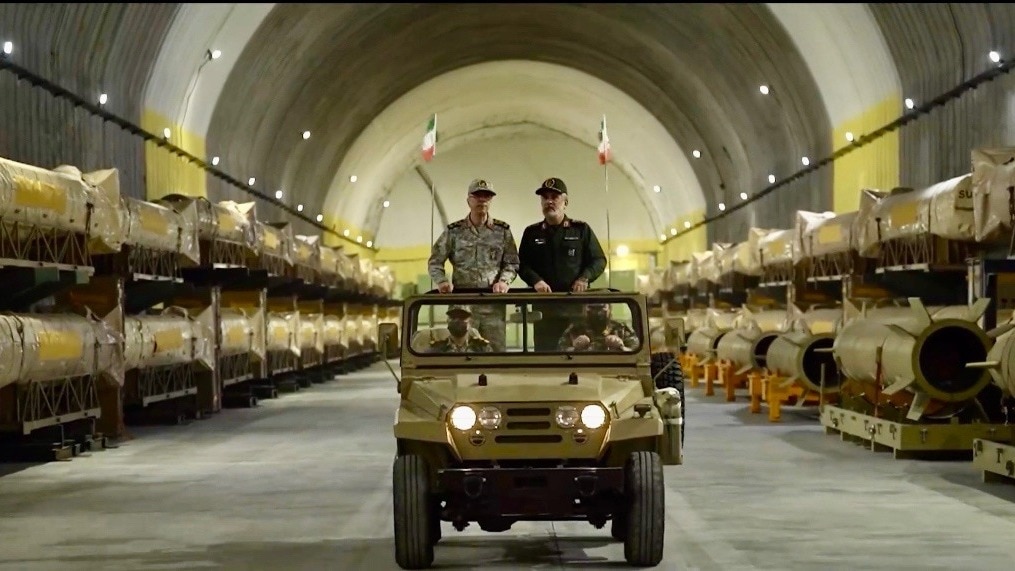
The war has also critically depleted stocks of some of the most important and expensive weaponry in the US defensive arsenal, such as Patriot missiles, THAAD interceptors, and Tomahawks. The war has used one-third to one-half of these stocks. Some of this equipment had to be moved from Japan and South Korea, leaving those Asian countries vulnerable to China.
Ukraine and other European allies of the US are also worried because their promised supplies of American weapons are being delayed. Some of the depleted systems will take years to replace.
There are fears in Washington that if the US or its allies have to face a war with China or Russia, there will not be enough arsenal available to defend themselves. On the other hand, there have been reports that China is still supplying dual-use equipment to Iran. Thus, US military commanders will be reluctant to resume war for those reasons, and the Iranians are aware of that.
IRAN’S NUCLEAR THREAT
The war has made America’s goal of removing Iran’s nuclear threat much harder, if not impossible. Iran’s hardliners have insisted they will not let the 450 kg of 60 per cent enriched uranium leave the country. There is now growing support in the country to make a nuclear bomb, the only safeguard they see to prevent a future attack from Israel or the US. This will make negotiations for a deal very difficult.
Trump may not admit it, but he must regret his decision in his first term to withdraw from the 2015 Joint Comprehensive Plan of Action, known as the Iran nuclear deal, negotiated by President Obama with great effort. After Trump’s 2018 decision, Iran began enriching uranium to 20 per cent and then increased it to 60 per cent. Iran also possesses about 11 tonnes of uranium enriched to up to 20 per cent. It’s not clear if that will be part of negotiations now.
The American Secretary of State, Marco Rubio, told reporters at the White House on Tuesday that the war with Iran is over. He insisted the war's objectives had already been achieved, even though almost all the objectives Trump outlined at the start of the military operation, particularly ensuring that Iran could never have a nuclear weapon, remain unfulfilled.
A WEAKER DEAL
In a desperate bid to end the conflict, Trump may sign a weaker deal than the JCPOA, despite his assertions that the new deal will be much better than what Obama negotiated. He may also leave it for further negotiations and sign a deal at the Strait of Hormuz. That may raise the question of what the war has achieved. The Strait of Hormuz was closed only after and because of the war.
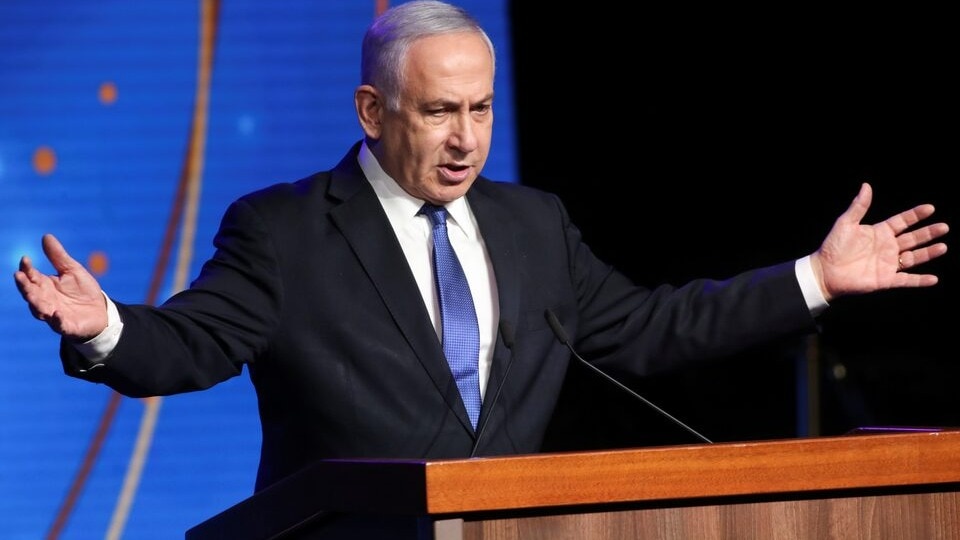
But even if Iran agrees to sign a nuclear deal, there is no guarantee the new hardline regime in the Islamic Republic will honour it, and it may follow North Korea’s example and build a bomb. That would be the worst outcome of the war that Trump chose, on the advice of Israel’s Prime Minister, Benjamin Netanyahu.
His decision no doubt inflicted severe damage on Iran’s economy and military, but it also left the regime more emboldened and stubborn. For a leader desperate to win a Nobel Peace Prize, leaving a potentially nuclear-armed foe will be a legacy Trump may have to live with.
(Naresh Kaushik is a former editor at the BBC and Associated Press. He is based in London)
- Ends
Published On:
May 7, 2026 14:28 IST