4 weeks ago
A fatal stabbing in Southampton has become far more than a criminal case. From policing failures and community tensions to immigration debates and political outrage, the death of teenager Henry Nowak has exposed deep divisions running through Britain's increasingly polarised society today.
What began as a fatal confrontation between two young men in Southampton has become a symbol in a much wider debate about policing, immigration, social cohesion and political trust.
The killing of 18-year-old Henry Nowak has triggered intense public reaction, not only because of the violence itself but also because of what followed: bodycam footage showing officers initially treating the wounded teenager as a suspect, political arguments over “two-tier policing”, and a growing wave of online commentary that has spread far beyond Britain.
The Incident
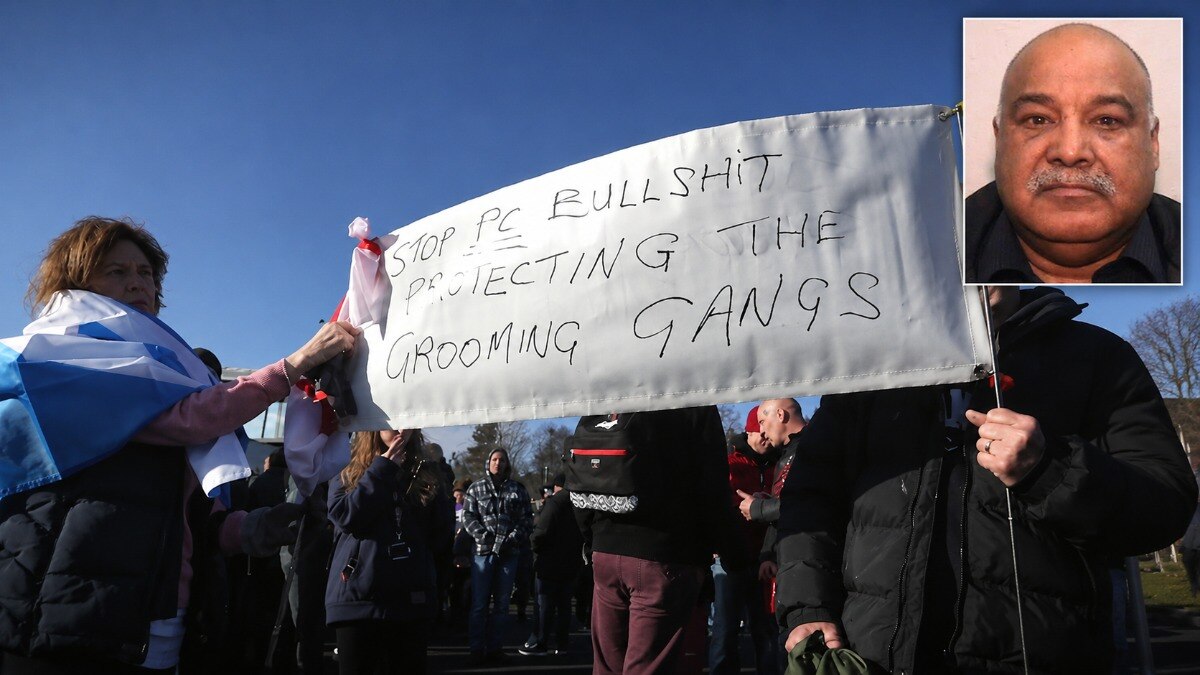
According to court proceedings, Henry Nowak encountered Vickrum Digwa, a British-born man of Indian Sikh heritage, who was carrying ceremonial blades associated with the Nihang Sikh tradition. Nowak began filming the encounter, and the exchange escalated.
Digwa stabbed Nowak four times. One wound to the chest proved fatal. Witness accounts and police footage show Nowak collapsing on the pavement and repeatedly saying, “I can’t breathe.”
Digwa was subsequently convicted of murder and sentenced to life imprisonment. The court rejected arguments that he acted in self-defence or was responding to racial abuse.
The Police Response
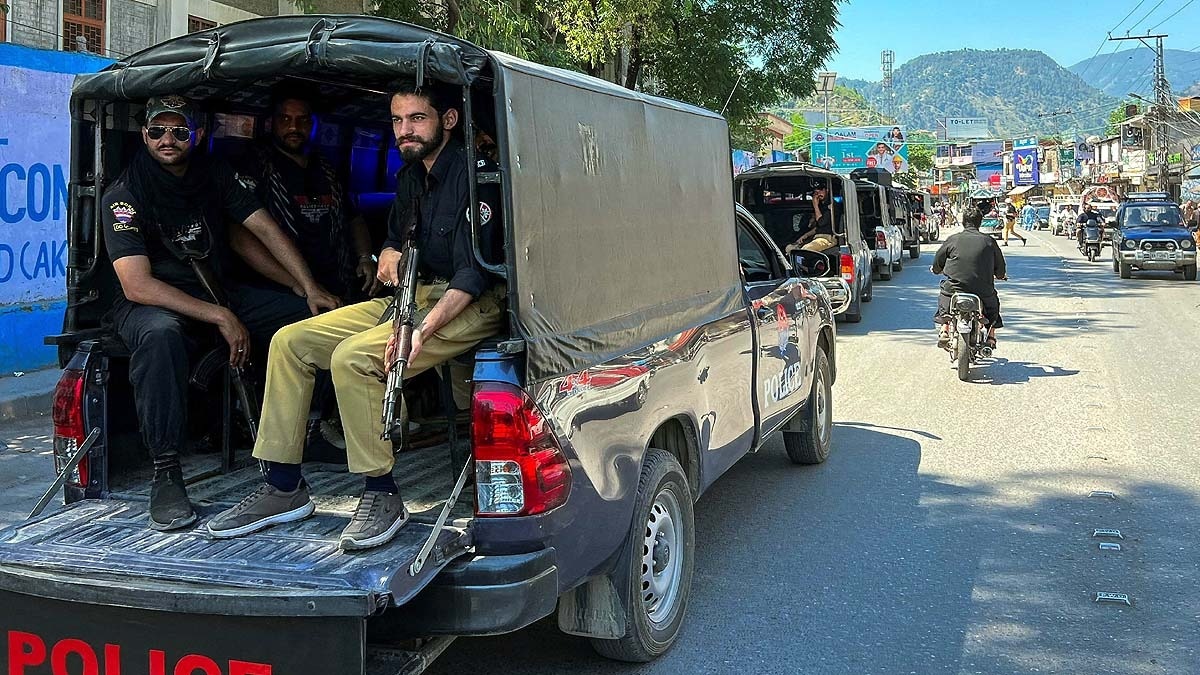
Much of the public anger has focused on the initial police response. Bodycam footage shows officers arriving at the scene and handcuffing the injured teenager before it became clear that he was the victim.
For critics, the footage raises questions about situational judgement, training and whether officers adequately assessed the circumstances before restraining a gravely wounded person. Supporters of the police response argue that officers often arrive at chaotic scenes with limited information and must make rapid decisions to secure safety.
The episode has become a focal point in a broader conversation about confidence in policing and institutional accountability.
Impact On The Sikh Community
The case has also had repercussions for Britain’s Sikh community. Following Digwa’s conviction, a Sikh priest connected to his former gurdwara in Southampton was reportedly assaulted, and community leaders warned some elderly members to avoid public gatherings.
Many British Sikhs have expressed concern that a crime committed by an individual is being used to cast suspicion on a wider community. Sikh organisations have emphasised that the legal process has concluded and that collective blame is unjustified.
The Immigration Debate
Despite Digwa being British-born, the case has been drawn into Britain’s immigration debate. Right-wing activists and commentators have cited the stabbing as evidence that the country has lost control of its borders and social cohesion.
Reform UK leader Nigel Farage and other critics have argued that the case reflects what they describe as “two-tier policing” — the belief that authorities apply different standards depending on race or religion. Opponents of that claim say the evidence does not support such a conclusion and that the phrase has become a political slogan rather than a proven fact.
Regardless of the merits of the argument, the terminology has gained traction in sections of the public debate, reflecting a broader distrust of institutions.
Attention
The controversy has attracted attention overseas. Elon Musk and US Vice-President JD Vance commented on the case online, linking it to wider concerns about governance, policing and migration in Europe.
Musk drew comparisons with the symbolism surrounding the phrase “I can’t breathe”, while Vance connected the incident to what he described as Europe’s migration crisis. Critics argue that such comparisons risk oversimplifying a complex case and importing American culture-war narratives into British politics.
There is also a key distinction: George Floyd died during police restraint, whereas Henry Nowak was killed by a private individual. The political resonance, however, has come from the imagery of a dying man pleading for breath and the conduct of authorities in his final moments.
A Wider Pattern Of Unrest
British authorities are increasingly concerned about how individual crimes can become catalysts for broader disorder. The Southampton protests following Digwa’s sentencing turned violent, and unrest in Belfast after the stabbing of teenager Stephen Ogilvy by a Sudanese immigrant has further heightened tensions.
In both cases, social media amplified local incidents into national political arguments within hours. Campaigners on one side frame the events as evidence of failed immigration and policing policies; campaigners on the other warn that crimes are being used to stigmatise entire communities.
The Human Cost
Amid the political arguments, the central fact remains that an 18-year-old died on a Southampton street. His family is grieving, the local Sikh community is facing scrutiny and anxiety, and the country is arguing over what the case represents.
For some, it is a story about policing mistakes and institutional trust. For others, it is about immigration, integration and national identity. For many residents of Southampton, it is a reminder that a single act of violence can quickly become a national symbol in an age of social media, polarised politics and global commentary.
What started as a confrontation between two individuals has evolved into a fault line running through Britain’s debates about authority, belonging and the future direction of the country.
- Ends
Published By:
indiatodayglobal
Published On:
Jun 16, 2026 22:48 IST