4 weeks ago
Last Updated:January 14, 2026, 09:35 IST
Comments from Trump, combined with interpretations around the world, suggest the administration may be weighing a mix of covert, cyber and possibly military options.

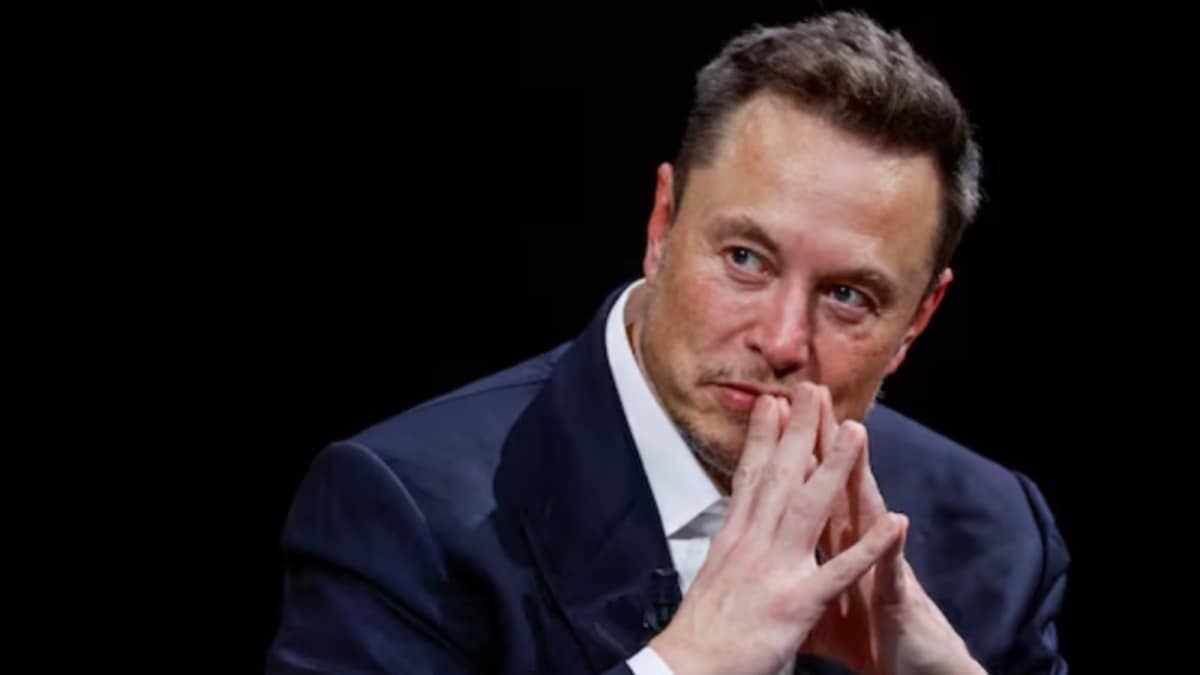
Donald Trump has said "help is on its way" to Iran protesters. (IMAGE: REUTERS FILE)
US President Donald Trump’s recent statements on Iran — particularly his assurance to protesters that “help is on its way" — have triggered speculation about whether the United States is preparing for a new phase of confrontation with Tehran. Comments from Trump himself, combined with interpretations from US lawmakers, Israeli officials and senior journalists, suggest the administration may be weighing a mix of covert, cyber and possibly military options. But what could be the scale of such an operation? Is there going to be an invasion-level operation? With analysts reading between the lines, here’s what can be expected.
Action, Not Just Rhetoric?
Speaking aboard Air Force One, Trump was asked what he meant by his message to Iranian protesters. His response — “You’re going to find out soon" — was ambiguous but followed by a pointed advisory that Americans should leave Iran, calling it “a good idea." Such evacuation warning is often seen as a precursor to heightened tensions rather than routine diplomatic caution.
Trump has also framed the current moment in the context of past US actions, citing the killings of Iranian General Qassem Soleimani and ISIS leader Abu Bakr al-Baghdadi. By saying the US “destroyed Iran’s nuclear capabilities without errors" and wants to “maintain this pace," Trump appeared to underline his willingness to authorise decisive and high-risk actions.
Open Backing for Iranian Protesters
In an unusually direct appeal, Trump urged Iranian protesters to “keep protesting" and “take over your institutions," while asking them to document the identities of those involved in violent crackdowns. He announced the cancellation of all meetings with Iranian officials until the killing of protesters stops, signalling a suspension of diplomacy in favour of pressure.
The language marks one of the strongest endorsements of internal dissent in Iran by a sitting US president, raising the stakes for both Tehran and Washington.
Military and Cyber Options?
Republican Senator Lindsey Graham, a close ally of Trump, publicly suggested that the president’s message of “help" could involve military and cyber measures. Graham ruled out a conventional ground war, insisting there should be “no boots on the ground." Instead, he outlined what he sees as the core of Trump’s promised assistance: a sustained campaign combining military strikes, cyber operations and psychological pressure aimed at paralyzing the regime’s ability to govern and repress.
President @realDonaldTrump is certainly not Obama. In my view, he is Reagan Plus when it comes to protecting America’s vital national security interests.There is no bigger threat to world order than the Iranian ayatollah’s religious Nazi regime that wantonly kills its people,… https://t.co/q8euMQOsNi
— Lindsey Graham (@LindseyGrahamSC) January 13, 2026
According to Graham’s post, the objective would not be territorial control but the destruction of infrastructure used by Iranian security forces to conduct arrests, surveillance and lethal crackdowns. He also suggested that those responsible for ordering violence against protesters should be directly targeted, arguing accountability must be personal, not abstract.
At the same time, Iranian media outlets citing US reporting have said Secretary of State Marco Rubio discussed “non-kinetic" options in closed-door meetings, including cyber operations and other tools designed to weaken the Iranian state without immediate conventional strikes.
US Secretary of State Marco Rubio said in closed-door meetings in recent days that the administration was considering non-kinetic responses to help Iranian protesters, Axios reported citing to a source with direct knowledge of the discussions.— Iran English (@IranIntl_En) January 13, 2026
Israel Sees Strikes as a Real Possibility
Adding to the sense of impending escalation, Israeli journalist Amichai Stein reported that Israeli officials assess Trump is likely to strike Iran, with uncertainty centred on timing and intensity rather than intent.
Evacuation Advice Raises Alarm
Trump’s public comment that US allies “should get out" of Iran further heightened concerns. Governments typically issue such guidance only when they anticipate serious instability or potential retaliatory action.
I asked @potus President #Trump just now if his administration has advised US allies to evacuate from #Iran. He said: “They should get out. It’s a good idea."— Abigail Hauslohner (@ahauslohner) January 13, 2026
What Next?
Taken together, the signals suggest the Trump administration could be preparing a layered strategy: increased economic and diplomatic pressure, cyber and covert operations aimed at Iranian security and surveillance systems, and readiness for limited military strikes if red lines are crossed. A full-scale war or ground invasion appears unlikely at this stage, but the risk of rapid escalation is clearly rising.
For now, Trump’s ambiguity appears intentional — keeping both allies and adversaries guessing. But the message is clear: Washington is positioning itself for action, and Tehran is being warned that the crackdown on protesters may carry consequences beyond Iran’s borders.
First Published:
January 14, 2026, 09:34 IST
News world Military Strikes Ahead? What Could Trump’s 'Help On Its Way' Message To Iranian Protesters Mean
Disclaimer: Comments reflect users’ views, not News18’s. Please keep discussions respectful and constructive. Abusive, defamatory, or illegal comments will be removed. News18 may disable any comment at its discretion. By posting, you agree to our Terms of Use and Privacy Policy.
Read More