1 month ago
Last Updated:February 09, 2026, 14:41 IST
Behind the scenes, there is palpable panic in Islamabad, with no institution or individual willing to take sole responsibility for a decision that could trigger public backlash


Pakistan first shocked the cricketing world by announcing that it would boycott the India match, even while its team remains in the tournament.
The Pakistan government’s decision to push the fate of the India-Pakistan T20 World Cup clash to the federal cabinet is less about cricketing caution and more about political paralysis, top government sources have told CNN-News18.
Behind the scenes, there is palpable panic in Islamabad, with no institution or individual willing to take sole responsibility for a decision that could trigger public backlash. The proposed cabinet discussion, sources say, is not genuine consultation but political cover—designed to diffuse blame rather than arrive at a sporting call.
“This is not about cricket anymore," a senior government source said. “It’s about a civilian government too weak to absorb public anger and too insecure to take even symbolic risks."
Sources indicated that the conditions floated by the Pakistan Cricket Board, ranging from a higher ICC revenue share and restoration of bilateral cricket to compensation-related demands, reflect financial stress rather than sporting principle. “These are bargaining positions born out of vulnerability, not confidence," a source noted.
The fact that a single T20 match now requires cabinet-level clearance underlines how deeply politics has consumed sport in Pakistan. The PCB, insiders admit, is too institutionally fragile to ring-fence cricket from politics, especially when its chairman, Mohsin Naqvi, also serves as the country’s Interior Minister.
“As Interior Minister, Naqvi is responsible for law and order. As PCB chief, he is expected to take cricketing decisions. That overlap itself shows why the board cannot act independently," a source said.
Pakistan’s civilian government, grappling with inflation, unemployment and governance fatigue, is operating with limited political authority. In such phases, even symbolic decisions, like playing India, are pushed upwards to avoid personal accountability if public anger spills over.
The India match, sources say, has turned into a proxy battleground for nationalist sentiment. Saying no to India is politically easier than answering uncomfortable questions about why daily life is becoming harder. Cricket, in that sense, offers emotional release where governance has failed.
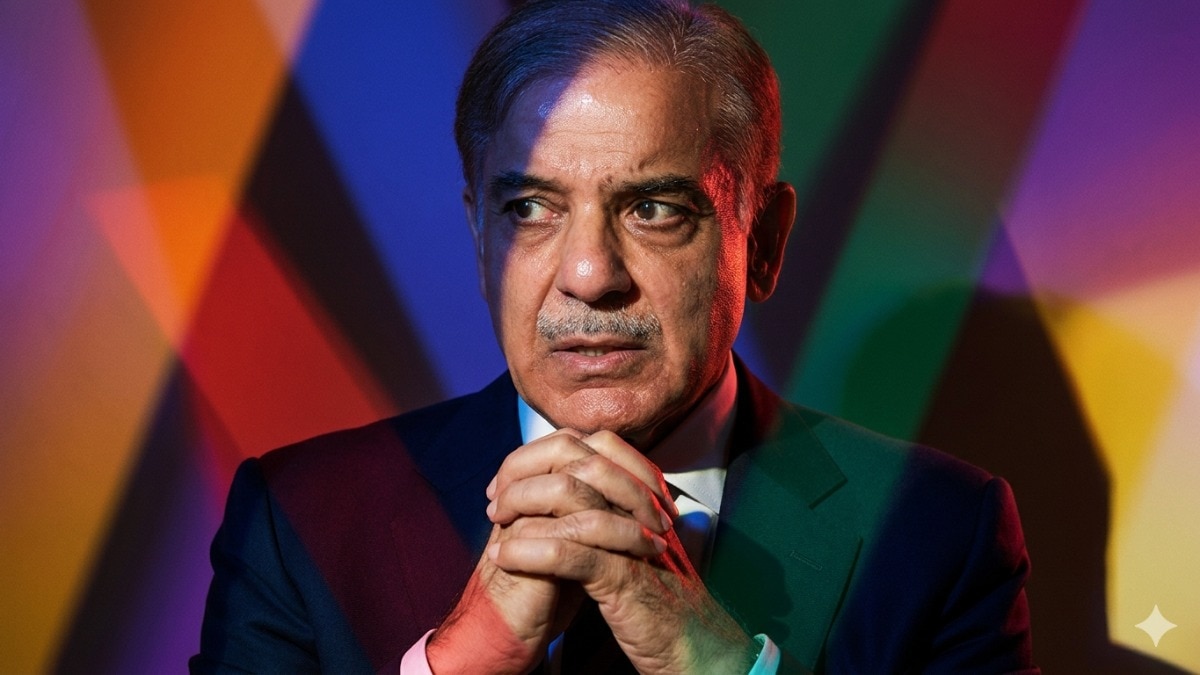
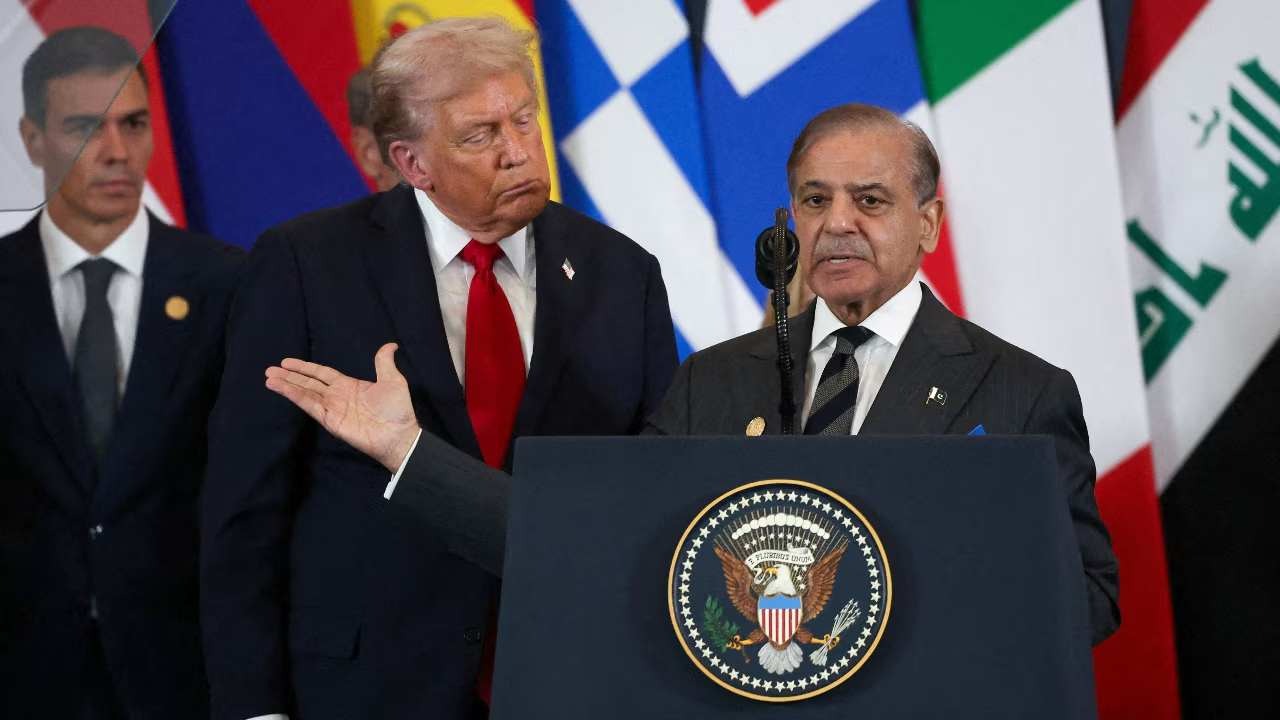
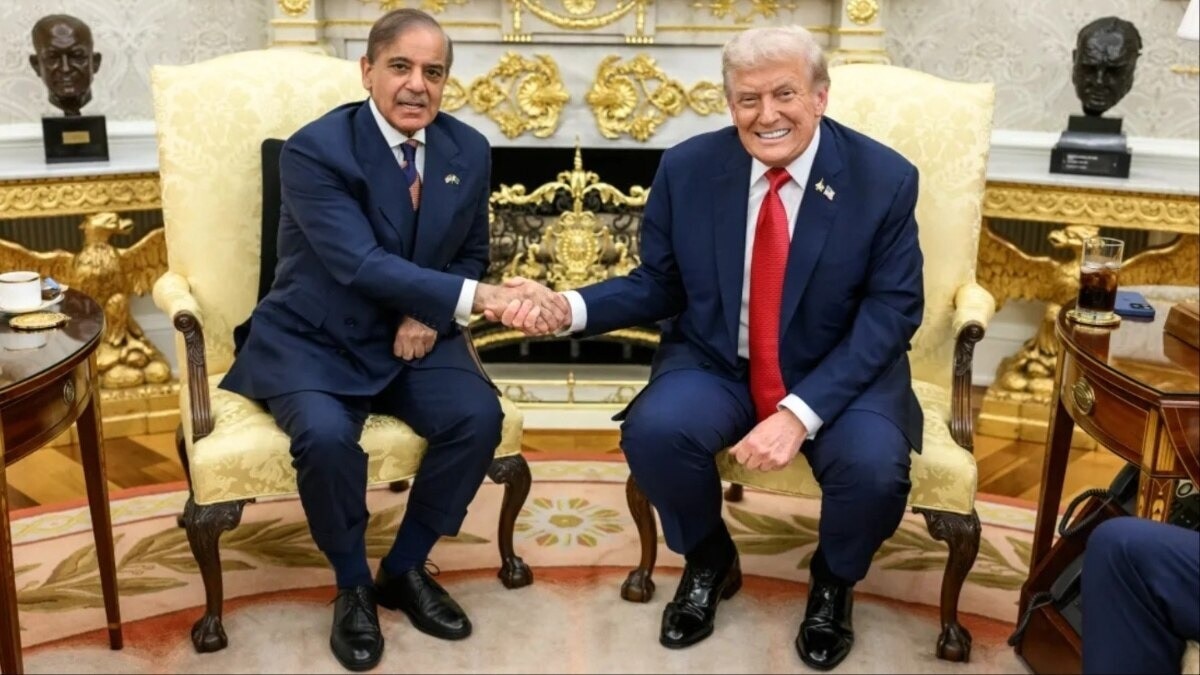
Prime Minister Shehbaz Sharif’s government, viewed as fragile and constrained by powerful establishment dynamics, is wary of making unilateral calls that could be interpreted as political “softness". Every major decision is weighed not just for public reaction, but for how it will be read by power centres behind the scenes.
HOW THE DRAMA UNFOLDED
What should have been a routine Group A fixture in the ICC T20 World Cup—Pakistan vs India on February 15 in Colombo—has morphed into one of the biggest political and sporting crises the tournament has seen, exposing deep tensions between the Pakistan Cricket Board (PCB), the Cricket Council (ICC) and Islamabad’s political establishment.
Pakistan first shocked the cricketing world by announcing that it would boycott the India match, even while its team remains in the tournament. The government’s position, conveyed publicly on social media, was that the team “shall not take the field" against India, a move presented as solidarity with Bangladesh after the Bangladesh Cricket Board was removed from the World Cup over venue and security disagreements—a stand Pakistan had backed within ICC voting earlier.
In response to the boycott threat, senior ICC officials, including Deputy Chairman Imran Khawaja, travelled to Lahore to negotiate and salvage the fixture. At that meeting, the PCB reportedly placed three major demands on the ICC as conditions to end its boycott stance: higher compensation for Bangladesh, a participation fee for Bangladesh despite its ouster, and hosting rights for a future ICC event.
The ICC, however, has been resistant. Officials told Pakistan there was nothing concrete to offer Bangladesh in compensation beyond ensuring its share of revenues, and advised the PCB to take its case through formal ICC arbitration or board channels rather than withhold participation in a marquee match.
Handpicked stories, in your inbox
A newsletter with the best of our journalism
Location :
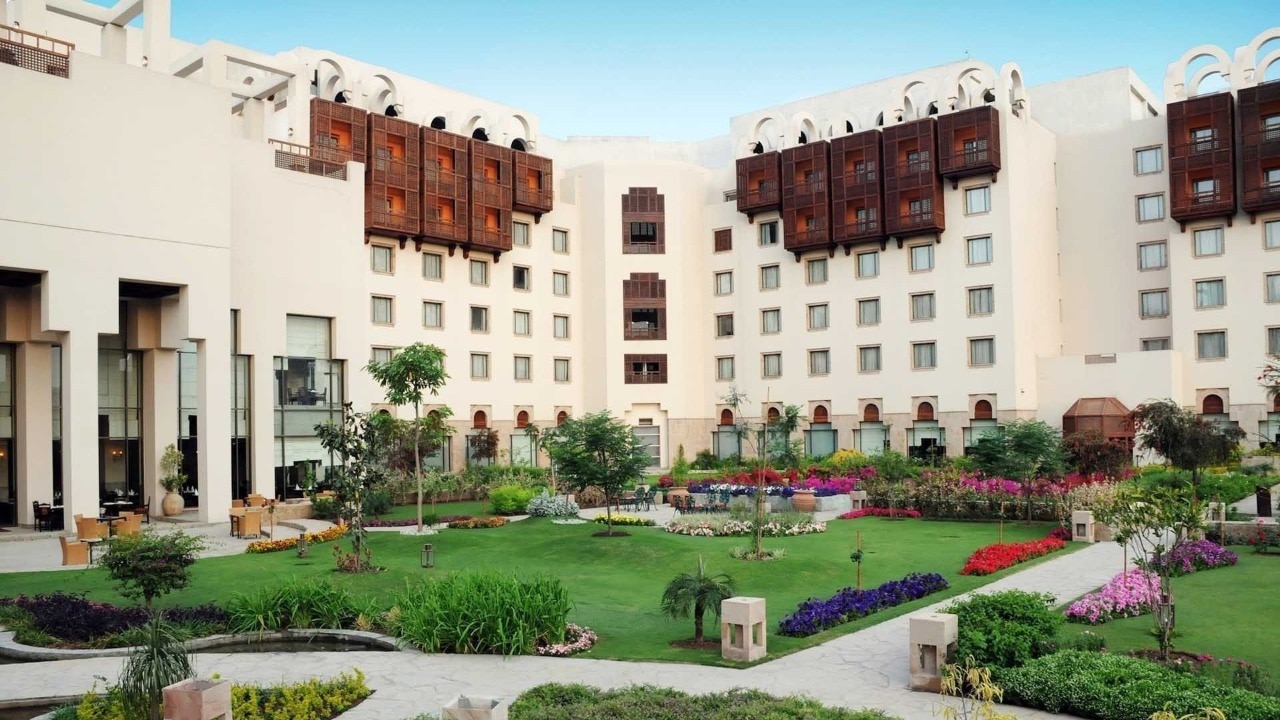
Islamabad, Pakistan
First Published:
February 09, 2026, 14:41 IST
News cricket 'Not About Cricket Anymore': Inside Pakistan's Political Paralysis Over a T20 Decision | Exclusive
Disclaimer: Comments reflect users’ views, not News18’s. Please keep discussions respectful and constructive. Abusive, defamatory, or illegal comments will be removed. News18 may disable any comment at its discretion. By posting, you agree to our Terms of Use and Privacy Policy.
Read More