 1 month ago
Washington's latest Security Strategy marks a stark shift from partnership rhetoric to transactional calculation, leaving New Delhi facing pressure without praise as America prioritises its own industrial revival over Indo Pacific allies.
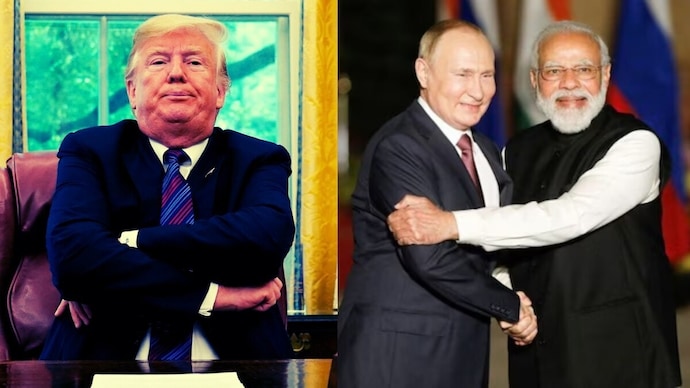
Jefferies noted that Putin is depicted continuously as an Austin Powers 'Dr Evil' figure in the Western media as contrasts with his official visit to Delhi on December 4-5.

UPDATED: Dec 16, 2025 21:38 IST
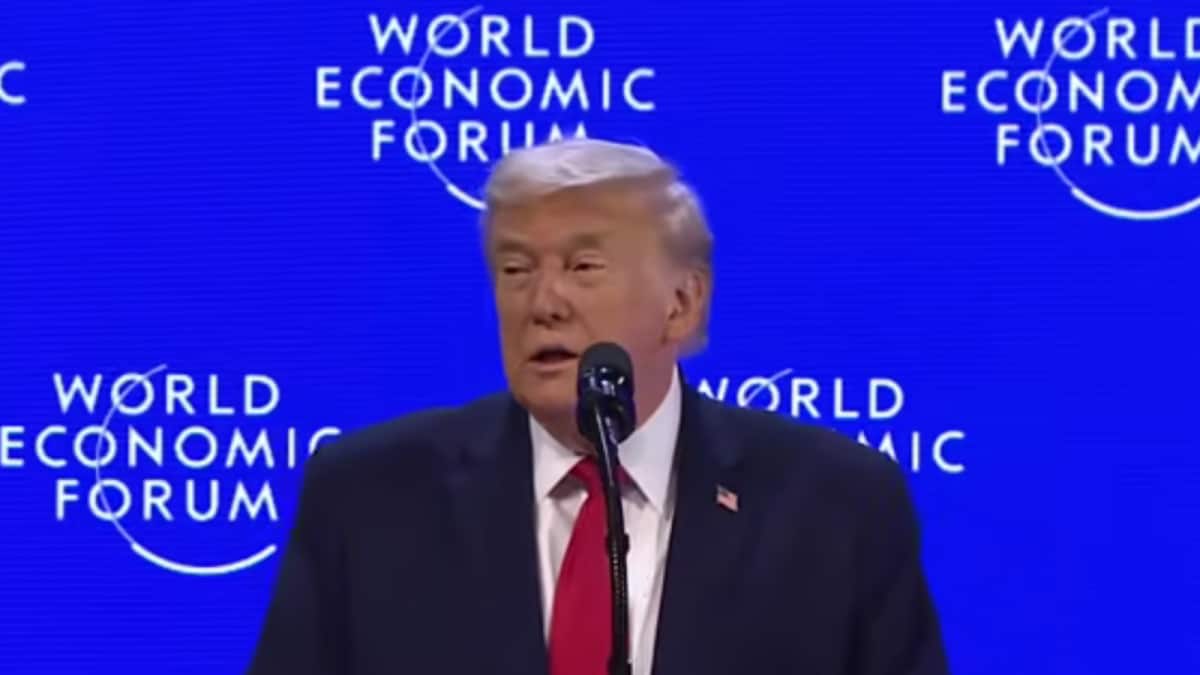
The United States has released its Security Strategy 2025, and India has been quietly, deliberately downplaced. Where previous administrations celebrated New Delhi as a leading democratic counterweight to China, President Trump's second-term document treats India as functional and transactional, no longer spotlighted but merely assessed for its utility.
The strategy mentions India just four times, always in practical contexts. Washington now seeks to improve commercial relations with India specifically to encourage greater contributions to Indo-Pacific security through the Quad. Trade becomes leverage, cooperation becomes conditional. This represents strategic recruitment rather than strategic courtship.
The contrast with the Biden era framing is striking. Earlier strategies spoke of integrated deterrence and long-term institutional alignment, treating India's rise as beneficial to American interests. The 2025 document reflects unease about power shifts, with experts suggesting Washington increasingly views India as too independent and too committed to multi-alignment to fit neatly into a US-led bloc.
Trump's worldview dominates throughout. The strategy rejects global overextension, prioritising the Western Hemisphere, migration control and reshoring over distant theatres. The Indo-Pacific remains important but is no longer the emotional centrepiece. Partners are expected to shoulder more burden, with reciprocity replacing reassurance.
For India, this creates friction in areas where New Delhi has historically guarded its autonomy: trade policy, defence procurement and strategic positioning. The emphasis on balanced trade and tariffs raises the risk of renewed disputes, whilst the migration section frames merit-based immigration as a loophole rather than an asset, potentially closing doors for India's STEM workforce.
The strategy's silence on India's border tensions with China signals reluctance to entangle the US in conflicts that don't directly threaten American prosperity. India becomes valuable only insofar as it contributes to Quad deterrence and aligns with US technology standards.
This isn't hostility but indifference to sentiment. India faces not rejection but the challenge of remaining useful without becoming dependent, navigating a partnership where praise has been replaced by pressure and relationships require constant renegotiation.
- Ends
Published By:
indiatodayglobal
Published On:
Dec 16, 2025