4 weeks ago
The United States and Iran have tied a proposed $300 billion private fund to their framework agreement after the recent conflict. The plan is meant to spur a final peace deal while keeping sanctions and nuclear terms on separate tracks.
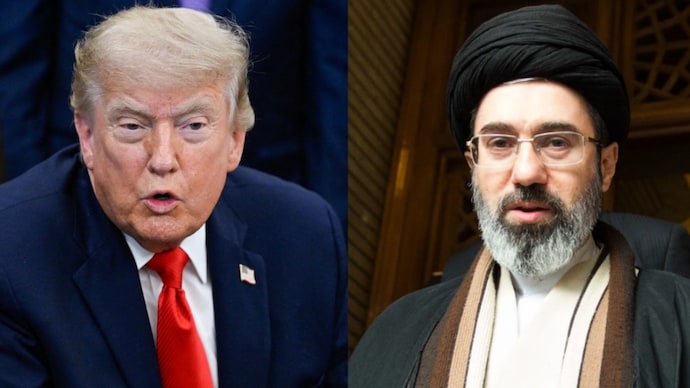
The US and Iran could sign an interim peace deal on the sidelines of the G7 summit in France next week, with Geneva being considered as a potential location due to its proximity to the summit venue in the French Alps. (Photo: Reuters/Getty Images)

UPDATED: Jun 17, 2026 04:10 IST
A proposed $300 billion private investment fund aimed at reviving Iran's economy forms a key part of the framework agreement reached between the United States and Iran, with more than half of the financing already committed, a source familiar with the negotiations told Reuters.
The fund, expected to be named the Reconstruction and Development Fund, is designed to encourage both sides to finalise a broader peace agreement after the conflict involving the US, Israel and Iran.
PRIVATE INVESTORS TO FINANCE RECONSTRUCTION EFFORTS
According to the source, the fund will be financed entirely by private investors and will not involve government money, grants or reparations. Companies from the United States, Gulf Arab states, Asia, South America and Africa have pledged investments across sectors including energy, logistics, manufacturing and transportation.
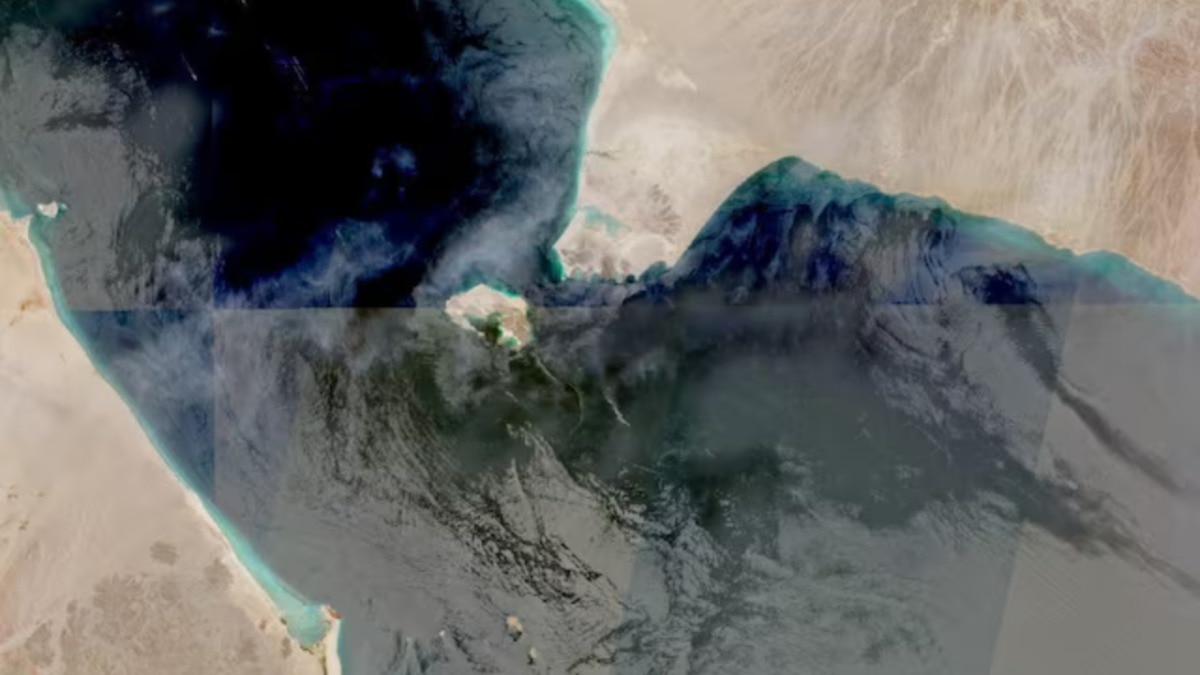
US and Iranian officials announced on Sunday that they had agreed on a framework to halt hostilities, lift the US blockade of Iran and reopen the Strait of Hormuz, a critical route for global energy supplies.
IRAN'S COMPENSATION DEMAND LED TO FUND PROPOSAL
A senior Iranian source said Tehran had initially sought $400 billion in compensation for war-related damages from Washington, but the US rejected the proposal. The investment fund subsequently emerged as an alternative mechanism to support reconstruction and economic development.
Regional countries are expected to contribute through loans, credit facilities and direct financing for rebuilding damaged infrastructure, including industrial facilities, refineries, airports and other key assets affected by the conflict.
SEPARATE TRACK FROM SANCTIONS AND FROZEN ASSETS TALKS
The fund is separate from ongoing negotiations over US sanctions relief and the release of Iranian assets frozen abroad. It will not become operational until a final agreement is reached.
The memorandum of understanding expected to be signed on Friday will establish a 60-day process during which fund administrators, Iranian officials and investors will identify and develop potential projects.
NUCLEAR COMPLIANCE LINKED TO ACCESS TO FUND
US Vice President JD Vance said in a television interview that Iran could gain access to the $300 billion fund, backed by Gulf states, if it complies with commitments that include dismantling its nuclear programme, eliminating its stockpile of enriched material and accepting strict international inspections.
INVESTORS EYE UNTAPPED POTENTIAL IN IRAN
Iran, which holds the world's second-largest proven natural gas reserves and fourth-largest proven oil reserves, has struggled to attract major foreign investment for decades due to international sanctions.
Supporters of the proposed fund argue that the initiative could unlock significant investment opportunities in one of the Middle East's largest economies, which also boasts a population of more than 92 million people and substantial potential in sectors ranging from petrochemicals and mining to tourism and agriculture.
- Ends
Published By:
Zafar Zaidi
Published On:
Jun 17, 2026 04:10 IST